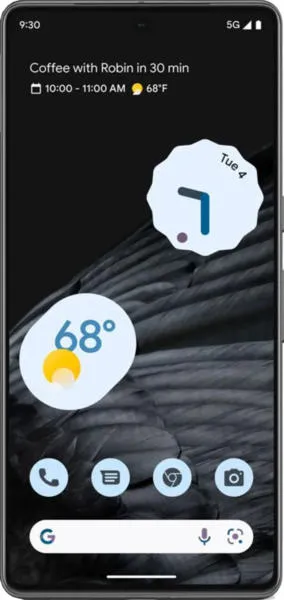
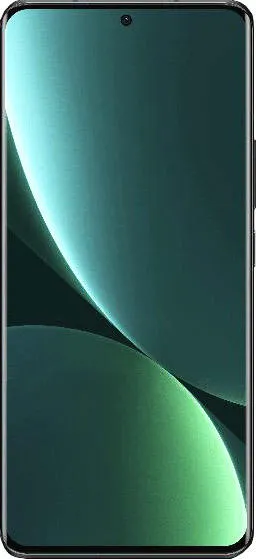
Google Pixel 7 Pro vs. Xiaomi 13 Pro: A Deep Dive for the Discerning Smartphone User
The smartphone landscape is a battleground of innovation, and today we're dissecting two titans: the Google Pixel 7 Pro and the Xiaomi 13 Pro. Both boast impressive specs, but let's cut through the marketing jargon and uncover what these numbers really mean for you.
1. Specifications Breakdown
| Feature | Google Pixel 7 Pro | Xiaomi 13 Pro | Real-World Implications | Category |
|---|---|---|---|---|
| Design | ||||
| Dimensions (mm) | 162.9 x 76.6 x 8.9 | 162.9 x 74.6 x 8.4 | Xiaomi 13 Pro slightly narrower and thinner, potentially improving one-handed use. | Design |
| Weight (g) | 212 | 210 | Negligible weight difference; both feel substantial in hand. | Design |
| Display | ||||
| Size (inches) | 6.7 | 6.73 | Virtually identical screen real estate. | Display |
| Resolution (px) | 1440 x 3120 | 1440 x 3200 | Xiaomi has slightly more vertical pixels, but the difference is imperceptible. | Display |
| Panel Type | LTPO AMOLED | LTPO AMOLED | Both offer vibrant colors, deep blacks, and power-efficient performance. | Display |
| Peak Brightness | 1500 nits | 1900 nits | Xiaomi's significantly higher peak brightness enhances outdoor visibility. | Display |
| Refresh Rate | 120Hz | 120Hz | Both provide buttery smooth scrolling and animations. | Display |
| Performance | ||||
| Chipset | Google Tensor G2 | Snapdragon 8 Gen 2 | Snapdragon 8 Gen 2 generally benchmarks higher in raw performance. | Performance |
| CPU | Octa-core | Octa-core | Both offer powerful multi-tasking capabilities; Snapdragon likely has a slight edge. | Performance |
| GPU | Mali-G710 MP7 | Adreno 740 | Adreno 740 generally delivers superior gaming performance. | Performance |
| RAM | 12GB | 12GB | Ample RAM for smooth multitasking on both devices. | Performance |
| Camera | ||||
| Main Sensor | 50MP, Samsung GN1 | 50MP, Sony IMX989 | Both are top-tier sensors; IMX989 generally praised for low-light performance. | Camera |
| Ultrawide | 12MP | 50MP | Xiaomi's significantly higher resolution ultrawide offers greater detail and flexibility. | Camera |
| Telephoto | 48MP | 50MP | Both offer impressive zoom capabilities; Xiaomi's Leica lens tuning could be a differentiator. | Camera |
| Battery Life | ||||
| Capacity (mAh) | 5000 | 4820 | Pixel 7 Pro has a slightly larger battery. Real-world battery life depends on usage. | Battery Life |
2. Key Insights
The Pixel 7 Pro shines with its Tensor G2 chip, optimized for Google's AI and machine learning prowess. This translates to a seamless software experience, incredible computational photography, and features like Magic Eraser and Live Translate. Its clean Android experience is a major draw for purists.
The Xiaomi 13 Pro, on the other hand, flexes its muscles with the Snapdragon 8 Gen 2, promising superior gaming and overall performance. Its Leica-tuned camera system, especially the ultrawide and telephoto lenses, potentially offers a more compelling photographic experience for enthusiasts. The brighter display is a clear advantage for outdoor use.
3. User Profiles and Recommendations
Pixel 7 Pro: Ideal for users prioritizing a seamless software experience, top-notch computational photography, and unique Google features. Excellent choice for those embedded in the Google ecosystem.
Xiaomi 13 Pro: Best suited for power users seeking top-tier performance, a versatile camera system with Leica's influence, and a vibrant display for media consumption.
4. Buying Decision Framework
- Is software experience your top priority? If yes, the Pixel 7 Pro's clean Android and Google's AI magic are hard to beat.
- Do you demand the absolute best performance? The Xiaomi 13 Pro's Snapdragon 8 Gen 2 delivers a noticeable edge in benchmarks and demanding tasks.
- Is photography a central focus? While both excel, the Xiaomi 13 Pro's Leica-tuned lenses and higher-resolution ultrawide might give it a slight edge for enthusiasts.
My Choice: The Xiaomi 13 Pro
While the Pixel's software experience is tempting, I'd choose the Xiaomi 13 Pro. The Snapdragon 8 Gen 2's performance advantage is significant for my workflow, which involves demanding tasks like video editing and 3D modeling. The superior display brightness is crucial for outdoor use. While I appreciate the Pixel's computational photography, the Xiaomi 13 Pro's camera hardware, particularly the ultrawide and Leica tuning, aligns more with my photography style. The slight difference in battery capacity is less concerning given the Snapdragon's efficiency improvements. Ultimately, the Xiaomi 13 Pro offers a more well-rounded package for my needs.
