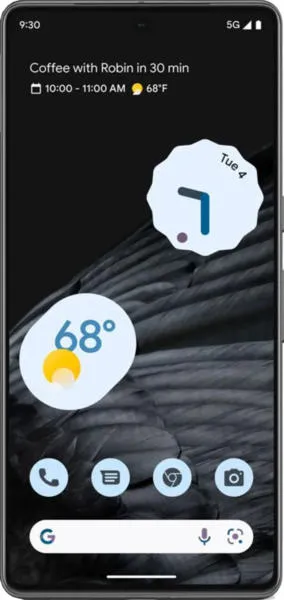
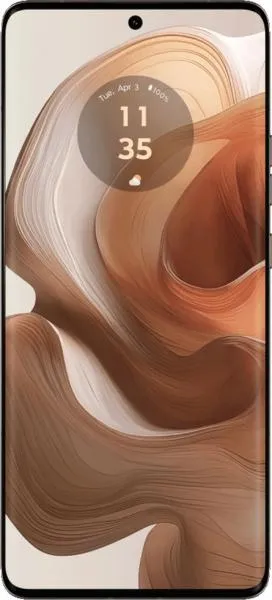
Google Pixel 7 Pro vs. Motorola Edge 50 Ultra: A Deep Dive
Let's dissect the Google Pixel 7 Pro and the Motorola Edge 50 Ultra, two compelling contenders in the smartphone arena. We'll go beyond the spec sheet to understand what these numbers really mean for you.
1. Specifications Breakdown
| Feature | Google Pixel 7 Pro | Motorola Edge 50 Ultra | Real-World Implications |
|---|---|---|---|
| Design | |||
| Dimensions (mm) | 162.9 x 76.6 x 8.9 | 161.1 x 72.4 x 8.6 | Edge 50 Ultra slightly smaller and thinner. Negligible difference in hand feel. |
| Weight (g) | 212 | 197 | Edge 50 Ultra noticeably lighter, reducing hand fatigue during extended use. |
| Display | |||
| Type | LTPO AMOLED | P-OLED | Both offer vibrant colors and deep blacks. Pixel's LTPO allows for more granular refresh rate control, saving battery. |
| Size (inches) | 6.7 | 6.7 | Identical screen real estate. |
| Resolution | 1440 x 3120 | 1220 x 2712 | Pixel 7 Pro boasts sharper visuals due to higher pixel density. Noticeable in text and fine details. |
| Refresh Rate | 120Hz | 144Hz | Edge 50 Ultra offers smoother scrolling and animations, especially in gaming. |
| Peak Brightness | 1500 nits | 2500 nits | Edge 50 Ultra significantly brighter, ensuring better outdoor visibility. |
| Performance | |||
| Chipset | Google Tensor G2 | Snapdragon 8s Gen 3 | Both are powerful chips, but Snapdragon 8s Gen 3 likely edges out in raw benchmark performance. Real-world difference might be minimal for average users. |
| RAM | 12GB | 12/16GB | Ample RAM for multitasking on both. 16GB option on Edge offers future-proofing for demanding tasks. |
| OS | Android 13 | Android 14 | Edge 50 Ultra ships with the newer OS version out of the box, potentially offering more features. Pixel likely to receive updates for longer. |
| Camera | |||
| Main Sensor | 50MP Samsung GN1 | 50MP OmniVision OV50H | Both offer high-resolution main sensors. Image quality will depend on processing more than megapixels. |
| Telephoto | 48MP Samsung | 64MP OmniVision OV64B | Edge 50 Ultra has higher resolution telephoto, but lens quality and zoom range are crucial factors not detailed in the specs. |
| Ultrawide | 12MP Sony IMX381 | 50MP Samsung S5KJN1 | Edge 50 Ultra boasts a much higher resolution ultrawide, potentially capturing more detail. |
| Battery Life | |||
| Capacity | 5000 mAh | 4500 mAh | Pixel 7 Pro has a larger battery, potentially translating to longer usage time. Real-world battery life is impacted by many factors like display settings and usage patterns. |
2. Key Insights
- Display: The Edge 50 Ultra's brighter, faster display excels in outdoor use and gaming, while the Pixel 7 Pro's sharper resolution and LTPO technology benefit content consumption and battery efficiency.
- Performance: Both phones offer flagship-level performance. The Edge 50 Ultra may have a slight edge in raw processing power, but the Pixel 7 Pro’s Tensor G2 excels in AI-driven tasks and computational photography.
- Camera: Megapixel counts alone don't tell the whole story. Pixel's renowned computational photography often outperforms rivals with superior hardware on paper. Motorola’s camera hardware, however, is impressive and deserves a thorough real-world test.
- Software & Updates: Pixel phones enjoy a reputation for timely and longer software support, while Motorola's update track record is less consistent.
3. User Profiles and Recommendations
- Pixel 7 Pro: Best for users prioritizing a clean Android experience, consistent software updates, exceptional camera performance, and all-day battery life.
- Edge 50 Ultra: Ideal for users who value a vibrant, high-refresh-rate display, potentially stronger gaming performance, and cutting-edge hardware, even if it means potentially compromising on software updates.
4. Buying Decision Framework
- What matters most: software experience or hardware specs? Pixel prioritizes the former, Motorola leans towards the latter.
- How important is camera quality? The Pixel consistently delivers exceptional results, but Motorola's hardware could potentially challenge it. Real-world comparisons are needed.
- What's your budget and how long do you plan to keep your phone? Consider the price difference and the longer software update cycle offered by Google.
My Choice: I would choose the Pixel 7 Pro. While the Edge 50 Ultra boasts impressive hardware, I prioritize the refined software experience, guaranteed long-term updates, and consistently excellent camera performance that the Pixel offers. The larger battery and sharper display also align with my usage patterns. Ultimately, the Pixel provides a more well-rounded package that fits my needs. However, if gaming or having the absolute latest hardware is paramount, the Motorola Edge 50 Ultra becomes a more tempting proposition.
