1. Specifications Comparison
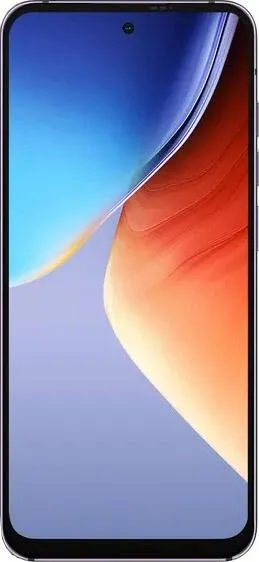
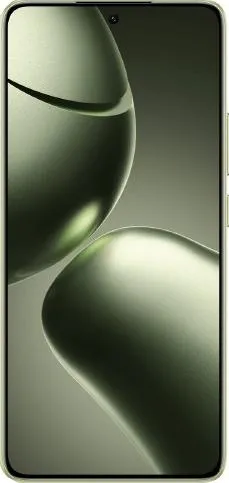
| Feature | Blackview A96 | Xiaomi 14T | Practical Impact |
|---|---|---|---|
| Design | |||
| Dimensions | 161.8 x 74.2 x 8.6 mm | 160.5 x 75.1 x 7.8 mm | Xiaomi 14T is slightly shorter, narrower, and significantly thinner. |
| Weight | 193.9 g | 193 g | Negligible weight difference. |
| Fingerprint Sensor | Side-mounted | Under display | Preference-based, but under-display is often considered more modern. |
| Display | |||
| Display Type | IPS LCD, 120Hz | AMOLED, 68B colors, 144Hz, Dolby Vision, HDR10+, 1600 nits (HBM) | Xiaomi 14T offers significantly better contrast, color accuracy, and brightness with its AMOLED display, HDR support, and higher peak brightness. This translates to a much more vibrant and enjoyable viewing experience, especially outdoors. The higher refresh rate on the 14T offers marginally smoother scrolling. |
| Size | 6.5" | 6.67" | Xiaomi 14T has a slightly larger screen. |
| Resolution | 1080 x 2400 | 1220 x 2712 | Xiaomi 14T has a sharper display (higher pixel density). |
| Refresh Rate | 120Hz | 144Hz | While both offer smooth scrolling, the 144Hz on the Xiaomi 14T will be slightly smoother, particularly noticeable in fast-paced games. |
| Peak Brightness | Not specified | 4000 nits | The lack of specified peak brightness for the A96 makes comparison difficult, but 4000 nits on the 14T ensures excellent outdoor visibility. |
| Performance | |||
| Chipset | Mediatek Helio G99 (6 nm) | Mediatek Dimensity 8300 Ultra (4 nm) | Xiaomi 14T's Dimensity 8300 Ultra offers a significant performance advantage due to its more advanced architecture and manufacturing process (4nm vs 6nm). This will result in faster app loading, smoother multitasking, and better gaming performance. |
| CPU | Octa-core (2x2.2 GHz Cortex-A76 & 6x2.0 GHz Cortex-A55) | Octa-core (1x3.35 GHz Cortex-A715 & 3x3.20 GHz Cortex-A715 & 4x2.20 GHz Cortex-A510) | The 14T's CPU boasts faster clock speeds and more modern core architecture leading to noticeably improved performance. |
| GPU | Mali-G57 MC2 | Mali G615-MC6 | Xiaomi 14T's GPU is significantly more powerful, enabling higher graphics settings and smoother frame rates in games. |
| RAM | 12GB | 12GB | Both phones offer ample RAM for multitasking. |
| Storage | 256GB | 512GB | Xiaomi 14T offers double the storage capacity. |
| Battery | |||
| Capacity | 4380 mAh | 5000 mAh | Xiaomi 14T has a larger battery capacity, likely resulting in longer battery life. |
| Camera | |||
| Video Capabilities | 1440p@30fps, 1080p@30fps | 4K@24/30/60fps, 1080p@30/60/120/240/960fps | The Xiaomi 14T offers significantly better video recording capabilities with higher resolution (up to 4K), higher frame rates (up to 960fps slow-motion), and HDR support. |
| Other Camera Specs | Not provided for either phone | Not provided for either phone | Insufficient information to compare camera quality beyond video capabilities. |
2. Key Differences Analysis
- Xiaomi 14T Advantages: Superior display, significantly better performance, larger battery, more storage, superior video recording capabilities. The 14T offers a flagship-level experience.
- Blackview A96 Advantages: Potentially lower price (within the "medium price" range).
3. User Profiles & Recommendations
- Xiaomi 14T: Users who prioritize performance, a high-quality display, long battery life, ample storage, and advanced camera features. Ideal for gaming, content creation, and heavy multitasking.
- Blackview A96: Budget-conscious users who prioritize basic functionality and don't require top-tier performance or display quality. Suitable for everyday tasks like browsing, social media, and casual gaming.
4. Decision Framework
- Budget: How much are you willing to spend?
- Performance Needs: Do you require high performance for gaming or demanding applications?
- Display Quality: How important is screen brightness, color accuracy, and contrast to you?
Scenario-based Recommendations:
- Gamer: Xiaomi 14T for its superior performance and display.
- Casual User: Blackview A96 if budget is a primary concern.
- Content Creator: Xiaomi 14T for its superior camera and performance.
My Choice: Xiaomi 14T
The Xiaomi 14T is the clear winner for me. While we lack complete camera specifications, the significant advantages in display quality, performance, battery life, and video recording capabilities make it a far more compelling device. The improved 4nm chipset architecture, AMOLED display with Dolby Vision and HDR10+, and significantly enhanced video recording options offer a substantially better user experience. Even if the Blackview A96 is priced lower, the 14T's superior feature set justifies the likely price difference for most users. The difference in user experience would be significant.
