1. Specifications Comparison
| Feature | Blackview A96 | Xiaomi 14 | Practical Impact |
|---|---|---|---|
| Design | |||
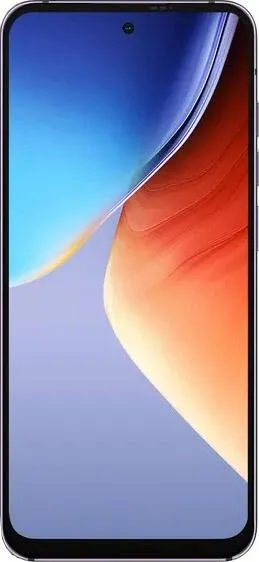
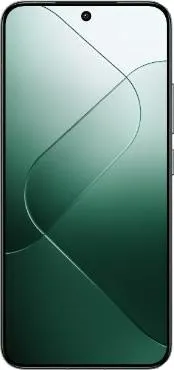
| Dimensions | 161.8x74.2x8.6mm | 152.8x71.5x8.2mm | Xiaomi 14 is slightly smaller and thinner, making it potentially more pocketable and comfortable to hold. |
| Weight | 193.9g | 188g | The Xiaomi 14 is noticeably lighter, reducing hand fatigue during extended use. |
| Build Materials | Not specified | Not specified | Cannot compare build quality and durability without material information. |
| Display | |||
| Display Type | IPS LCD, 120Hz | LTPO OLED, 68B colors, 120Hz, Dolby Vision, HDR10+ | Xiaomi 14's OLED offers significantly better contrast, deeper blacks, wider color gamut (68B vs 16.7M likely for the A96), and HDR support resulting in a superior viewing experience. LTPO allows for dynamic refresh rate adjustment, potentially saving battery. |
| Size | 6.5" | 6.36" | Negligible size difference; personal preference will dictate. |
| Resolution | 1080x2400 | 1200x2670 | Xiaomi 14 has a sharper display due to higher pixel density (460 ppi vs 405 ppi), resulting in crisper text and images. |
| Peak Brightness | Not specified | 3000 nits | Xiaomi 14's exceptionally high peak brightness ensures excellent outdoor visibility, even in direct sunlight. The lack of data for the A96 hinders a complete comparison. |
| Refresh Rate | 120Hz | 120Hz | Both phones offer smooth scrolling and animations thanks to the 120Hz refresh rate. |
| Performance | |||
| Chipset | Mediatek Helio G99 (6nm) | Qualcomm Snapdragon 8 Gen 3 (4nm) | The Snapdragon 8 Gen 3 in the Xiaomi 14 is significantly more powerful than the Helio G99, offering much better performance in demanding tasks like gaming and multitasking. The 4nm process also implies better power efficiency. |
| CPU | Octa-core (2x2.2 GHz Cortex-A76 & 6x2.0 GHz Cortex-A55) | Octa-core (1x3.3 GHz Cortex-X4 & 3x3.2 GHz Cortex-A720 & 2x3.0 GHz Cortex-A720 & 2x2.3 GHz Cortex-A520) | Xiaomi 14's CPU architecture is considerably more advanced with a much faster prime core leading to significant performance gains. |
| GPU | Mali-G57 MC2 | Adreno 750 | The Adreno 750 in the Xiaomi 14 is a substantially more powerful GPU, delivering a superior gaming experience and smoother graphics rendering. |
| RAM | 12GB | 12GB | Both phones have ample RAM for multitasking and smooth operation. |
| Storage | 256GB | 256GB/512GB | Xiaomi 14 offers a 512GB storage option for users needing more space. |
| Battery | |||
| Capacity | 4380 mAh | 4610 mAh | Xiaomi 14 has a slightly larger battery, potentially offering longer battery life. However, real-world usage will depend on software optimization and display power consumption. |
| Camera | |||
| Video Capabilities | 1440p@30fps, 1080p@30fps | 8K@24fps, ..., 720p@1920fps (HDR, EIS) | Xiaomi 14 offers significantly more advanced video recording capabilities with higher resolution (up to 8K), higher frame rates (up to 960fps slow-motion), and features like HDR and EIS. Limited information on the Blackview A96's camera makes a detailed comparison impossible. |
2. Key Differences Analysis
Xiaomi 14 Advantages:
- Significantly more powerful: The Snapdragon 8 Gen 3 offers a huge performance leap over the Helio G99.
- Superior Display: OLED with HDR, Dolby Vision, and much higher peak brightness provides a dramatically better visual experience.
- More advanced camera features: 8K recording, high frame rate slow-motion, and HDR/EIS.
- Slightly larger battery: Potentially longer battery life.
Blackview A96 Advantages:
- Potentially lower price: Given the specifications, the Blackview A96 likely falls into a lower price bracket within the "medium price" range.
3. User Profiles & Recommendations
Xiaomi 14: Users who prioritize performance, a premium display, advanced camera features, and the latest technology. Ideal for demanding tasks like gaming, content creation, and media consumption.
Blackview A96: Users on a tighter budget who prioritize basic functionality and a large display. Suitable for everyday tasks like web browsing, social media, and light gaming.
4. Decision Framework
Key Questions:
- What is your budget? The Xiaomi 14 will likely be significantly more expensive.
- What are your primary smartphone uses? Demanding tasks require the Xiaomi 14's power.
- How important is display quality? The Xiaomi 14's OLED display is a major differentiator.
My Choice: Xiaomi 14
The Xiaomi 14 is the clear winner for me. While the "medium price" range designation for both phones lacks specific pricing, the substantial performance and feature advantages of the Xiaomi 14 outweigh any potential price difference. The superior display, powerful processor, advanced camera capabilities, and larger battery make it a much more compelling device for my needs. I prioritize a smooth user experience, high-quality visuals, and the ability to handle demanding tasks, all of which the Xiaomi 14 delivers. The Blackview A96 might be a reasonable option for budget-conscious buyers who prioritize basic functionality, but the Xiaomi 14 offers a significant leap in overall user experience.
