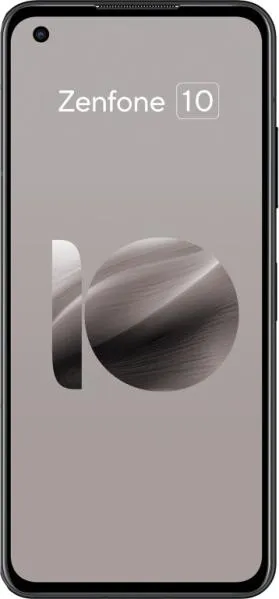

1. Specifications Comparison
| Feature | Asus Zenfone 10 | vivo V40 | Practical Impact |
|---|---|---|---|
| Design | |||
| Dimensions (mm) | 146.5 x 68.1 x 9.4 | 164.2 x 75 x 7.6 | Zenfone 10 is significantly smaller and more pocketable; Vivo V40 is larger, potentially more difficult to handle one-handed. |
| Weight (g) | 172 | 190 | Zenfone 10 is noticeably lighter, reducing hand fatigue during extended use. |
| Fingerprint Sensor | Side-mounted | Under-display | Preference-based, side-mounted often faster, under-display more modern looking. |
| Display | |||
| Size (inches) | 5.92 | 6.78 | Vivo V40 offers a much larger screen for media consumption and multitasking; Zenfone 10 is more compact. |
| Resolution | 1080 x 2400 | 1260 x 2800 | Both are sharp, but V40's larger size and slightly higher resolution offer more screen real estate. |
| Refresh Rate (Hz) | 144 | 120 | Zenfone 10's higher refresh rate results in smoother animations and scrolling. |
| Peak Brightness (nits) | 1100 | 4500 | Vivo V40's significantly higher peak brightness ensures better visibility in direct sunlight. |
| Performance | |||
| Chipset | Snapdragon 8 Gen 2 | Snapdragon 7 Gen 3 | Zenfone 10 boasts a flagship processor, offering significantly better performance for demanding tasks and gaming. |
| CPU | Octa-core (1x3.2 GHz Cortex-X3 & 2x2.8 GHz Cortex-A715 & 2x2.8 GHz Cortex-A710 & 3x2.0 GHz Cortex-A510) | Octa-core (1x2.63 GHz Cortex-A715 & 3x2.4 GHz Cortex-A715 & 4x1.8 GHz Cortex-A510) | Zenfone 10's CPU architecture and higher clock speeds provide a substantial performance advantage. |
| GPU | Adreno 740 | Adreno 720 | Zenfone 10's superior GPU delivers better gaming performance and graphics rendering. |
| RAM | 8GB | 12GB | Vivo V40's larger RAM allows for more apps to be held in memory, reducing reloading frequency. However, the Zenfone 10's superior processor may offset this in real-world usage. |
| Camera | |||
| Main Camera (MP) | 50 (Sony IMX766) | 50 (Samsung GNJ) | Both use high-quality sensors, detailed comparison requires image quality analysis beyond specifications. |
| Video Recording | Up to 8K@24fps | Up to 4K@30fps | Zenfone 10 offers higher resolution video recording. |
| Battery | |||
| Capacity (mAh) | 4300 | 5500 | Vivo V40 has a considerably larger battery, likely translating to significantly longer battery life. |
2. Key Differences Analysis
Zenfone 10 Advantages:
- Significantly more powerful: The Snapdragon 8 Gen 2 provides a substantial performance advantage for demanding tasks, gaming, and future-proofing.
- Smoother Display: The 144Hz refresh rate provides a noticeable improvement in fluidity.
- More Compact: Easier for one-handed use and portability.
- Higher Resolution Video Recording: Offers 8K recording for capturing highly detailed videos.
Vivo V40 Advantages:
- Larger Display: Provides a more immersive experience for media consumption and multitasking.
- Much Brighter Display: Excellent outdoor visibility even under direct sunlight.
- Significantly Longer Battery Life: The larger battery capacity will likely result in much longer usage time between charges.
- More RAM: While the processor is less powerful, more RAM can improve multitasking performance by keeping more apps open in the background.
Trade-offs:
- Zenfone 10: Performance and compactness prioritized over battery life and screen size.
- Vivo V40: Larger display and battery life prioritized over peak performance.
3. User Profiles & Recommendations
Zenfone 10: Ideal for users who prioritize performance, a smooth user experience, and a compact form factor. Power users, mobile gamers, and those who value one-handed usability would appreciate this phone.
Vivo V40: Ideal for users who prioritize battery life, a large display for media consumption, and bright outdoor visibility. Users who heavily consume video content, browse the web extensively, or spend a lot of time outdoors would prefer this phone.
4. Decision Framework
Key Questions for Buyers:
- What is your primary smartphone usage? (Gaming, media consumption, productivity, etc.)
- How important is portability and one-handed use?
- How much are you willing to compromise on battery life for performance or vice-versa?
Scenario-Based Recommendations:
- Heavy Gamer: Zenfone 10 for its superior performance.
- Frequent Traveler: Vivo V40 for its long battery life and large screen for entertainment.
- One-Handed User: Zenfone 10 for its compact size.
My Choice: Asus Zenfone 10
While the Vivo V40 offers a tempting larger display and battery life, I would choose the Asus Zenfone 10. The Snapdragon 8 Gen 2 offers a significant performance advantage that, for me, outweighs the benefits of the V40. I prioritize a smooth and responsive user experience, especially for demanding tasks and occasional mobile gaming. The 144Hz display also contributes to this fluidity. The Zenfone 10's compact form factor is also a major plus for everyday usability and pocketability. While the battery is smaller, I'm willing to compromise in this area for the significant performance gains. The availability of faster charging speeds could further mitigate this concern (although charging speeds were not specified for either phone). Ultimately, the Zenfone 10 better aligns with my personal preferences and use case.
