1. Specifications Comparison
| Feature | Asus Zenfone 10 | Samsung Galaxy M55 | Practical Impact |
|---|---|---|---|
| Design | |||
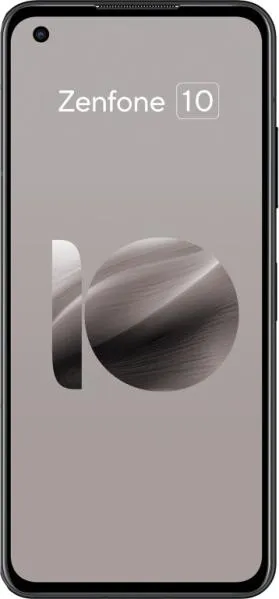
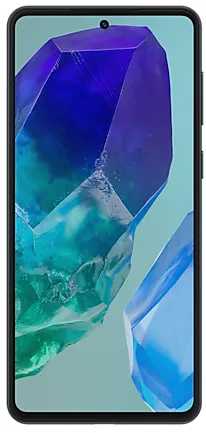
| Dimensions (mm) | 146.5 x 68.1 x 9.4 | 163.9 x 76.5 x 7.8 | Zenfone 10 is significantly smaller and more pocketable; M55 is larger, potentially better for media consumption. |
| Weight (g) | 172 | 180 | Zenfone 10 is noticeably lighter for one-handed use. |
| Display | |||
| Size (inches) | 5.92 | 6.7 | Zenfone 10 offers a compact display for easy one-handed use; M55 provides a larger screen for immersive experiences. |
| Resolution (px) | 1080 x 2400 | 1080 x 2400 | Similar sharpness due to Zenfone 10's smaller screen size resulting in higher pixel density (445 vs 393 ppi). |
| Refresh Rate (Hz) | 144 | 120 | Zenfone 10's higher refresh rate results in smoother animations and scrolling. |
| Display Type | Super AMOLED, HDR10+ | Super AMOLED+ | Both offer vibrant colors and deep blacks; Zenfone 10 supports HDR10+ for enhanced video quality. Missing peak brightness data for M55 limits comparison. |
| Performance | |||
| Chipset | Snapdragon 8 Gen 2 | Snapdragon 7 Gen 1 | Zenfone 10 boasts a flagship processor, enabling significantly faster performance and better gaming capabilities compared to the M55's mid-range chip. |
| CPU | Octa-core (up to 3.2 GHz) | Octa-core (up to 2.4 GHz) | Zenfone 10's superior CPU clock speeds translate to faster app loading, multitasking, and overall responsiveness. |
| GPU | Adreno 740 | Adreno 644 | Zenfone 10's more powerful GPU ensures smoother gaming and graphics-intensive tasks. |
| RAM (GB) | 8/16 | 8 | Both offer sufficient RAM for smooth multitasking; Zenfone 10's 16GB option provides headroom for future-proofing. |
| Camera | |||
| Main Camera (MP) | 50 (Sony IMX766) | 50 (ISOCELL - unspecified model) | Both have 50MP main sensors; Zenfone 10 benefits from the known quality of the Sony IMX766 sensor, likely offering better image quality. Missing detailed sensor information for the M55 limits comparison. |
| Video Recording | Up to 8K@24fps | Up to 4K@30fps | Zenfone 10 supports higher resolution video recording. |
| Battery | |||
| Capacity (mAh) | 4300 | 5000 | M55 has a larger battery, potentially offering longer battery life. However, Zenfone 10's more efficient chip could offset this difference. Real-world usage will vary. |
2. Key Differences Analysis
Asus Zenfone 10 Advantages:
- Significantly more powerful: The Snapdragon 8 Gen 2 provides a substantial performance advantage for demanding tasks and gaming.
- Smoother Display: The 144Hz refresh rate and HDR10+ support offer a superior visual experience.
- More Compact: Easier to handle and pocket.
- Higher Resolution Video Recording: Up to 8K.
- Known Main Camera Sensor: Sony IMX766 is recognized for its quality.
Samsung Galaxy M55 Advantages:
- Larger Battery: Potentially longer battery life.
- Larger Display: More immersive for media consumption.
- Lower Price: Based on provided data, generally more affordable.
Trade-offs:
- Performance vs. Battery Life: Zenfone 10 prioritizes performance, while M55 leans towards battery capacity.
- Size and Portability: Zenfone 10 is compact, sacrificing screen real estate; M55 is larger, less pocketable.
3. User Profiles & Recommendations
Asus Zenfone 10: Users who prioritize performance, a smooth display, a compact form factor, and high-quality camera features. Ideal for mobile gaming, demanding applications, and one-handed use.
Samsung Galaxy M55: Users seeking a larger display for media consumption, a potentially longer battery life, and a more budget-friendly option. Suitable for casual use, web browsing, video streaming, and those who prioritize affordability.
4. Decision Framework
Key Questions for Buyers:
- What is your budget? The M55 is more affordable.
- Do you prioritize performance or battery life? Zenfone 10 excels in performance; M55 likely offers longer battery life.
- Do you prefer a compact or larger phone? Zenfone 10 is significantly smaller.
Scenario-Based Recommendations:
- Heavy gamer: Zenfone 10.
- Budget-conscious user: M55.
- One-handed use enthusiast: Zenfone 10.
- Media consumption focused: M55.
My Choice: Asus Zenfone 10
While the Samsung Galaxy M55 offers a larger battery and lower price, the Asus Zenfone 10's superior performance, smoother display (144Hz and HDR10+), compact design, and likely better camera due to the Sony IMX766 sensor make it the more compelling choice for me. I value a fluid user experience and portability, and the Zenfone 10's significant performance advantage with the Snapdragon 8 Gen 2 outweighs the potential benefits of the M55 for my usage. I'm willing to accept the smaller battery and potentially shorter battery life for the overall better user experience. The compact size is a major plus for me.
