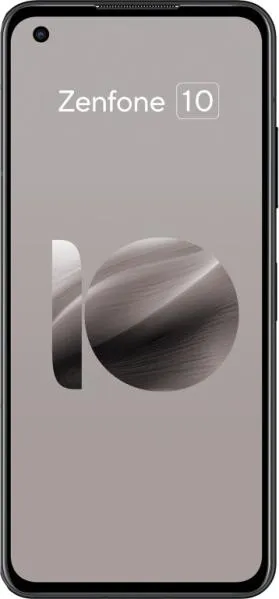

1. Specifications Comparison
| Feature | Asus Zenfone 10 | OnePlus 12R | Practical Impact |
|---|---|---|---|
| Design | |||
| Dimensions (mm) | 146.5 x 68.1 x 9.4 | 163.3 x 75.3 x 8.8 | Zenfone 10 is significantly smaller and more pocketable. 12R is larger, potentially less comfortable for one-handed use. |
| Weight (g) | 172 | 207 | Zenfone 10 is noticeably lighter, reducing hand fatigue during extended use. |
| Display | |||
| Size (inches) | 5.92 | 6.78 | 12R offers a much larger screen for immersive media consumption and multitasking. Zenfone 10 is better for one-handed usability. |
| Resolution (px) | 1080 x 2400 | 1264 x 2780 | Both are sharp, but the 12R has a slightly higher pixel density (450 vs 445 PPI). |
| Refresh Rate (Hz) | 144 | 120 | Zenfone 10's higher refresh rate provides smoother animations and scrolling. |
| Peak Brightness (nits) | 1100 | 4500 | 12R's significantly higher peak brightness ensures excellent outdoor visibility. |
| Display Type | Super AMOLED | LTPO4 AMOLED | Both offer vibrant colors and deep blacks. LTPO on the 12R allows for dynamic refresh rate adjustment, potentially saving battery. |
| Performance | |||
| Chipset | Snapdragon 8 Gen 2 | Snapdragon 8 Gen 2 | Both phones offer top-tier performance with the same powerful chipset. |
| CPU | Octa-core (1x3.2 GHz Cortex-X3 & 2x2.8 GHz Cortex-A715 & 2x2.8 GHz Cortex-A710 & 3x2.0 GHz Cortex-A510) | Octa-core (1x3.2 GHz Cortex-X3 & 2x2.8 GHz Cortex-A715 & 2x2.8 GHz Cortex-A710 & 3x2.0 GHz Cortex-A510) | Identical CPUs result in comparable processing power. |
| GPU | Adreno 740 | Adreno 740 | Same GPUs ensure similar gaming and graphics performance. |
| RAM | 8GB - 16GB | 8GB - 16GB | More RAM allows for smoother multitasking. |
| Camera | |||
| Main Camera (MP) | 50 (Sony IMX766) | 50 (Sony IMX890) | Both utilize high-quality sensors. IMX890 on the 12R is generally considered slightly better, potentially offering improved low-light performance. |
| Ultrawide (MP) | 13 | 8 | Zenfone 10 has a higher resolution ultrawide, but sensor size and quality are unknown for both, making a direct comparison difficult. |
| Macro (MP) | Dedicated Macro Lens | 2 | 12R has a dedicated macro lens, but its low resolution might limit detail. Zenfone 10's ultrawide doubles as a macro lens. |
| Video | 8K@24fps, 4K@60fps | 4K@60fps | Zenfone 10 offers 8K video recording, but practical usage is limited due to large file sizes. Both can record high-quality 4K video. |
| Battery | |||
| Capacity (mAh) | 4300 | 5500 | 12R has a significantly larger battery, likely resulting in longer battery life. |
2. Key Differences Analysis
Asus Zenfone 10 Advantages:
- Compact Size: Significantly smaller and lighter, ideal for one-handed use and portability.
- Higher Refresh Rate Display: Smoother scrolling and animations.
- 8K Video Recording: Offers higher resolution video recording, though practical benefits might be limited.
OnePlus 12R Advantages:
- Larger Display: More immersive experience for media consumption and multitasking.
- Significantly Brighter Display: Superior outdoor visibility.
- Larger Battery: Potentially much longer battery life.
- Potentially Better Main Camera: IMX890 sensor generally considered slightly superior to IMX766.
- More RAM in higher configuration: Smoother multitasking and future-proofing.
3. User Profiles & Recommendations
Asus Zenfone 10: Users who prioritize one-handed usability, portability, and a smooth display experience. Ideal for those who prefer compact phones without sacrificing flagship performance.
OnePlus 12R: Users who value a large, bright display, long battery life, and a versatile camera system. Suitable for media consumption, gaming, and multitasking.
4. Decision Framework
Key Questions for Buyers:
- How important is one-handed usability and portability?
- Do you prioritize a larger display and longer battery life or a compact form factor?
- What is your budget, and which phone offers the best value for your needs?
My Choice: OnePlus 12R
While I appreciate the compact design of the Zenfone 10, the OnePlus 12R's larger battery, brighter display, and potentially superior main camera are more compelling to me. The slightly larger size is a trade-off I'm willing to make for the significant benefits in battery life and screen real estate. The marginal difference in refresh rate is less important to me than overall screen quality and brightness. While 8K video is a nice feature on the Zenfone 10, 4K recording at 60fps on the 12R is more than sufficient for my needs. Finally, the price difference, if any, is likely to be minimal considering the 12R's advantages. Therefore, the OnePlus 12R offers a better overall package for my usage patterns.
