1. Specifications Comparison
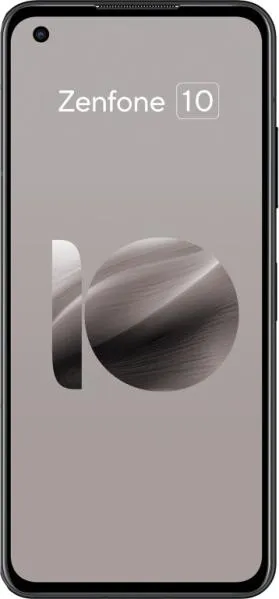
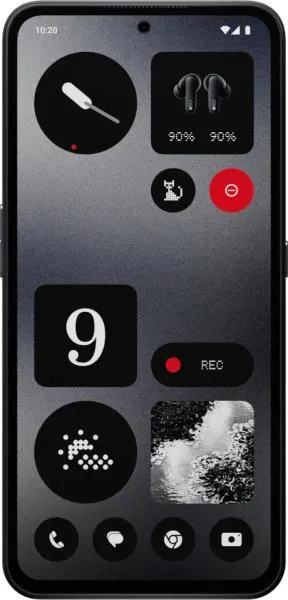
| Feature | Asus Zenfone 10 | Nothing CMF Phone 1 | Practical Impact |
|---|---|---|---|
| Design | |||
| Dimensions (mm) | 146.5 x 68.1 x 9.4 | 164 x 77 x 8.2 | Zenfone 10 is significantly smaller and more pocketable. CMF Phone 1 is larger, potentially less comfortable for one-handed use. |
| Weight (g) | 172 | 197 | Zenfone 10 is noticeably lighter, reducing hand fatigue during extended use. |
| Build Materials | Missing | Missing | Build quality and durability cannot be compared without this information. |
| Display | |||
| Display Size (inches) | 5.92 | 6.67 | CMF Phone 1 offers a larger screen for more immersive media consumption and multitasking, while Zenfone 10 prioritizes one-handed usability. |
| Resolution | 1080 x 2400 | 1080 x 2400 | Similar resolution, but Zenfone 10's smaller screen results in a higher pixel density (445 ppi vs 395 ppi) for sharper text and images. |
| Refresh Rate (Hz) | 144 | 120 | Zenfone 10's higher refresh rate provides smoother animations and scrolling, especially noticeable in gaming and fast-paced UI interactions. |
| Peak Brightness (nits) | 1100 | 2000 | CMF Phone 1's significantly higher peak brightness ensures better visibility in direct sunlight. |
| Display Type | AMOLED | AMOLED | Both use AMOLED technology, offering vibrant colors and deep blacks. However, the specific AMOLED implementation (e.g., Samsung E4 vs. a generic panel) could impact quality, which cannot be assessed with the provided data. |
| Performance | |||
| Chipset | Snapdragon 8 Gen 2 | Dimensity 7300 | Zenfone 10's Snapdragon 8 Gen 2 offers significantly better CPU and GPU performance, leading to faster app loading, smoother multitasking, and superior gaming capabilities. |
| CPU | Octa-core (1x3.2 GHz Cortex-X3 & ...) | Octa-core (4x2.5 GHz Cortex-A78 & ...) | Zenfone 10's CPU architecture is more powerful and efficient. |
| GPU | Adreno 740 | Mali-G615 MC2 | Zenfone 10 has a much more powerful GPU for demanding tasks like gaming and video editing. |
| RAM | 8GB | 8GB | Similar RAM capacity should provide adequate multitasking performance on both devices. |
| Camera | |||
| Main Camera | 50MP, Sony IMX766, f/1.9 | 50MP, Sony IMX882, f/1.79 | Both have high-resolution sensors. CMF Phone 1's wider aperture (f/1.79) might offer slightly better low-light performance, but image quality depends on many factors beyond these specs. |
| Secondary Camera | 13MP Wide Angle + Macro | 2MP Depth Sensor | Zenfone 10 provides a more versatile secondary camera with wide-angle and macro capabilities. CMF Phone 1's depth sensor is primarily for portrait mode. |
| Video Recording | Up to 8K@24fps | Up to 4K@30fps | Zenfone 10 supports higher resolution video recording (8K) and more advanced stabilization with a 6-axis gimbal. |
| Battery | |||
| Capacity (mAh) | 4300 | 5000 | CMF Phone 1 has a larger battery capacity, potentially leading to longer battery life. However, actual battery life depends on factors like software optimization and display size. |
2. Key Differences Analysis
Asus Zenfone 10 Advantages:
- Significantly more powerful: The Snapdragon 8 Gen 2 provides a substantial performance advantage for demanding tasks and gaming.
- Higher quality display: Smoother 144Hz refresh rate and sharper image quality due to higher pixel density.
- Superior camera features: 6-axis gimbal stabilization, 8K video recording, and a more versatile secondary camera.
- More compact and portable: Smaller and lighter design for easier one-handed use.
Nothing CMF Phone 1 Advantages:
- Larger battery capacity: Potentially longer battery life.
- Higher peak brightness: Better visibility in bright sunlight.
- Lower starting price: Offers a more budget-friendly option.
Trade-offs:
- Zenfone 10: Smaller battery, lower peak brightness, higher price.
- CMF Phone 1: Less powerful, lower resolution display (due to larger size), less capable camera system.
3. User Profiles & Recommendations
Asus Zenfone 10: Ideal for users who prioritize performance, a smooth and responsive display, a high-quality camera, and a compact form factor. Suitable for mobile gaming, content creation, and power users.
Nothing CMF Phone 1: Best suited for users who prioritize battery life, a large display for media consumption, and affordability. Good for casual users, social media browsing, and video streaming.
4. Decision Framework
Key Questions for Buyers:
- What is your budget? The CMF Phone 1 is considerably cheaper.
- What level of performance do you need? For demanding tasks, the Zenfone 10 is far superior.
- What screen size do you prefer? The Zenfone 10 is compact; the CMF Phone 1 is larger.
My Choice: Asus Zenfone 10
While the Nothing CMF Phone 1 offers a tempting price, the Asus Zenfone 10's significant performance advantage, superior camera system, and compact design are more compelling to me. I prioritize a smooth and responsive user experience, which the Snapdragon 8 Gen 2 and 144Hz display deliver. The higher price is justified by the significantly better overall package. The compact form factor is also a major plus for me, as I value one-handed usability. While the CMF Phone 1 has a larger battery and brighter display, these advantages don't outweigh the Zenfone 10's strengths in core areas like performance and camera quality for my personal needs.
