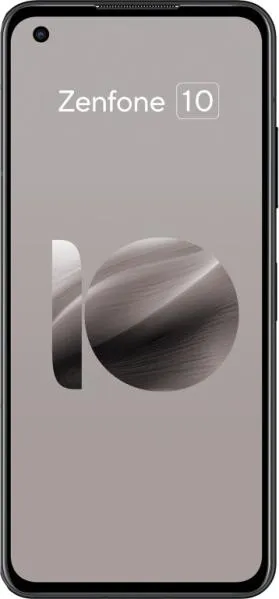
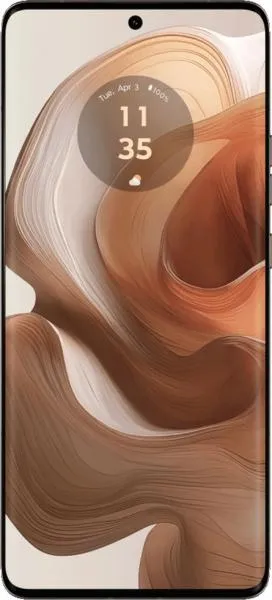
1. Specifications Comparison
| Feature | Asus Zenfone 10 | Motorola Edge 50 Ultra | Practical Impact |
|---|---|---|---|
| Design | |||
| Dimensions (mm) | 146.5 x 68.1 x 9.4 | 161.1 x 72.4 x 8.6 | Zenfone 10 is significantly smaller and more pocketable. Edge 50 Ultra is larger, potentially less comfortable for one-handed use. |
| Weight (g) | 172 | 197 | Zenfone 10 is noticeably lighter, reducing hand fatigue during extended use. |
| Display | |||
| Size (inches) | 5.92 | 6.7 | Zenfone 10 offers a more compact display, suitable for one-handed operation. Edge 50 Ultra provides a larger screen for immersive media consumption. |
| Resolution (px) | 1080 x 2400 | 1220 x 2712 | Both offer sharp displays, but the Edge 50 Ultra has a slightly higher resolution. |
| Panel Type | Super AMOLED | P-OLED | Both offer excellent color reproduction and deep blacks. Practical differences are minimal for most users. |
| Refresh Rate (Hz) | 144 | 144 | Both displays offer smooth scrolling and animations thanks to the high refresh rate. |
| Peak Brightness (nits) | 1100 | 2500 | Edge 50 Ultra offers significantly higher peak brightness, ensuring excellent outdoor visibility. |
| Performance | |||
| Chipset | Snapdragon 8 Gen 2 | Snapdragon 8s Gen 3 | Both are high-end chipsets, but the 8s Gen 3 in the Edge 50 Ultra is newer and slightly more powerful. Differences in everyday tasks might be negligible for average users. |
| CPU | Octa-core (up to 3.2 GHz) | Octa-core (up to 3.0 GHz) | Zenfone 10 has a slightly faster prime core. Performance differences will likely be minimal in typical use cases. |
| GPU | Adreno 740 | Adreno 735 | Zenfone 10 has a more powerful GPU, potentially offering better gaming performance. |
| RAM (GB) | 8/16 | 12/16 | Both offer ample RAM for multitasking, but the Edge 50 Ultra's higher RAM options provide more headroom for demanding applications. |
| Camera | |||
| Main Camera (MP) | 50 (Sony IMX766) | 50 (Omnivision OV50H) | Both use high-quality sensors. The Edge 50 Ultra has a larger sensor and wider aperture (f/1.6 vs f/1.9), potentially capturing more light in low-light conditions. |
| Ultrawide (MP) | 13 | 50 | Edge 50 Ultra offers a significantly higher resolution ultrawide camera. |
| Telephoto (MP) | N/A | 64 | Edge 50 Ultra features a dedicated telephoto lens for optical zoom, absent in the Zenfone 10. |
| Video | Up to 8K@24fps | Up to 4K@60fps | Zenfone 10 offers higher resolution video recording, but the Edge 50 Ultra offers higher frame rates at 4K. |
| Battery | |||
| Capacity (mAh) | 4300 | 4500 | Edge 50 Ultra has a slightly larger battery capacity, potentially offering longer battery life. However, real-world usage will vary. |
2. Key Differences Analysis
Asus Zenfone 10 Advantages:
- Compact Size: Significantly smaller and lighter, ideal for one-handed use and portability.
- Potentially Better Gaming: More powerful GPU (Adreno 740).
- 8K Video Recording: Offers higher resolution video recording capabilities.
Motorola Edge 50 Ultra Advantages:
- Larger, Brighter Display: More immersive media consumption experience with superior outdoor visibility.
- Newer Chipset: Slightly more powerful overall performance with the Snapdragon 8s Gen 3.
- More Versatile Camera System: Higher resolution ultrawide and dedicated telephoto lens for optical zoom.
- Larger Battery: Potentially longer battery life.
- Faster Charging: Supports faster charging speeds (unspecified in provided data, but common for newer flagships).
3. User Profiles & Recommendations
Asus Zenfone 10: Users who prioritize one-handed usability, portability, and potentially mobile gaming. Those seeking a compact flagship without compromising on performance.
Motorola Edge 50 Ultra: Users who prioritize a large, bright display for media consumption, a versatile camera system with telephoto capabilities, and the latest hardware.
4. Decision Framework
Key Questions for Buyers:
- How important is one-handed usability and portability? If crucial, the Zenfone 10 is the clear winner.
- What is your primary use case? Media consumption and photography/videography favor the Edge 50 Ultra. Mobile gaming might favor the Zenfone 10.
- What is your budget? Pricing can significantly influence the decision, considering the storage and RAM options available for each phone.
My Choice: Motorola Edge 50 Ultra
While I appreciate the compact form factor of the Zenfone 10, the Motorola Edge 50 Ultra offers a more compelling overall package for my needs. The larger, brighter display is a significant advantage for media consumption and productivity. The versatile camera system, particularly the inclusion of a telephoto lens, aligns better with my photography preferences. The slightly newer and more powerful chipset, coupled with a larger battery, provides a future-proof foundation. While the size difference is notable, I'm willing to compromise on portability for the enhanced features and experience offered by the Edge 50 Ultra. The superior camera system and brighter display are key deciding factors for me.
