1. Specifications Comparison
| Feature | Asus Zenfone 10 | Asus ROG Phone 8 | Practical Impact |
|---|---|---|---|
| Design | |||
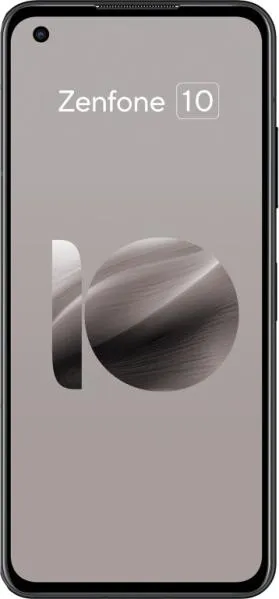
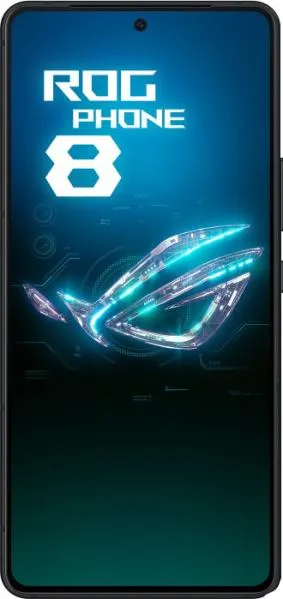
| Dimensions (mm) | 146.5 x 68.1 x 9.4 | 163.8 x 76.8 x 8.9 | Zenfone 10 is significantly smaller and more pocketable. ROG Phone 8 is larger, potentially less comfortable for one-handed use. |
| Weight (g) | 172 | 225 | Zenfone 10 is noticeably lighter, reducing hand fatigue during extended use. |
| Display | |||
| Size (inches) | 5.92 | 6.78 | ROG Phone 8 offers a larger screen for more immersive media consumption and gaming. Zenfone 10 provides a more compact, one-hand-friendly experience. |
| Resolution (px) | 1080 x 2400 | 1080 x 2400 | Despite the size difference, both have the same resolution. Zenfone 10 has a higher pixel density (445ppi vs 388ppi), resulting in sharper text and images. |
| Refresh Rate (Hz) | 144 | 165 | ROG Phone 8's slightly higher refresh rate may provide smoother animations, especially noticeable in gaming. |
| Display Type | Super AMOLED | LTPO AMOLED | Both offer vibrant colors and deep blacks. ROG Phone 8's LTPO panel allows for dynamic refresh rate adjustment, potentially saving battery. |
| Peak Brightness (nits) | 1100 | 2500 | ROG Phone 8's significantly higher peak brightness ensures better visibility in direct sunlight. |
| Performance | |||
| Chipset | Snapdragon 8 Gen 2 | Snapdragon 8 Gen 3 | ROG Phone 8 features a newer, more powerful processor, resulting in faster performance and improved efficiency. |
| CPU | Octa-core (up to 3.2 GHz) | Octa-core (up to 3.3 GHz) | ROG Phone 8's CPU has a slight clock speed advantage and newer architecture, leading to better multitasking and demanding application performance. |
| GPU | Adreno 740 | Adreno 750 | ROG Phone 8 has a more powerful GPU, providing a significant advantage in gaming and graphically intensive tasks. |
| RAM (GB) | 8/16 | 12/16 | ROG Phone 8 offers more RAM in its base configuration, enabling smoother multitasking and better handling of demanding applications. |
| Camera | |||
| Main Camera (MP) | 50 (Sony IMX766) | 50 (Sony IMX890) | Both utilize high-quality Sony sensors. The IMX890 in the ROG Phone 8 is generally considered a slightly improved sensor. |
| Ultrawide (MP) | 13 | 13 | Similar ultrawide capabilities, although sensor details are missing for the ROG Phone 8. |
| Additional Cameras | None | Macro, 5MP | ROG Phone 8 includes a dedicated macro lens, potentially offering better close-up shots. |
| Battery | |||
| Capacity (mAh) | 4300 | 6000 | ROG Phone 8 has significantly larger battery capacity, translating to potentially much longer battery life. |
2. Key Differences Analysis
Asus Zenfone 10 Advantages:
- Compactness and One-Handed Usability: Significantly smaller and lighter, making it ideal for users who prioritize portability and ease of use with one hand.
- Higher Pixel Density: Sharper display due to smaller screen size with the same resolution.
Asus ROG Phone 8 Advantages:
- Superior Performance: Newer and more powerful processor and GPU, resulting in a noticeable performance boost for demanding tasks and gaming.
- Larger Display: More immersive experience for media consumption and gaming.
- Significantly Longer Battery Life: Larger battery capacity provides extended usage without frequent charging.
- Brighter Display: Much brighter screen for improved outdoor visibility.
- More RAM: Smoother multitasking and better performance with demanding applications.
3. User Profiles & Recommendations
Asus Zenfone 10: Users who prioritize a compact and lightweight phone, value one-handed usability, and don't require the absolute highest performance for gaming. Suitable for everyday tasks, web browsing, social media, and light gaming.
Asus ROG Phone 8: Mobile gamers, power users who demand top-tier performance, and those who consume a lot of media on their phones. Suitable for demanding games, video editing, and extended use without charging.
4. Decision Framework
Key Questions for Buyers:
- What is your budget? (Consider the price difference between different storage configurations.)
- What size phone do you prefer? (Compact vs. large screen)
- What are your primary use cases? (Everyday tasks vs. demanding gaming/media consumption)
Scenario-Based Recommendations:
- Limited Budget, Prioritize Portability: Zenfone 10
- Heavy Gamer, Value Performance: ROG Phone 8
- Average User, Balanced Needs: Consider the Zenfone 10 if size is a major concern, otherwise the ROG Phone 8 offers better value due to its superior performance and battery life.
My Choice: Asus ROG Phone 8
While I appreciate the compact form factor of the Zenfone 10, the ROG Phone 8's significant advantages in performance, battery life, and display brightness outweigh the size difference for me. The Snapdragon 8 Gen 3, larger battery, and brighter LTPO display make it a more future-proof and versatile device. The added benefit of a dedicated macro lens and more RAM further solidifies its appeal for a power user. Though larger, the ROG Phone 8 offers a compelling package for long-term satisfaction. The Zenfone 10 is a great option for users specifically seeking a small phone, but my personal preference leans towards the more powerful and feature-rich ROG Phone 8.
