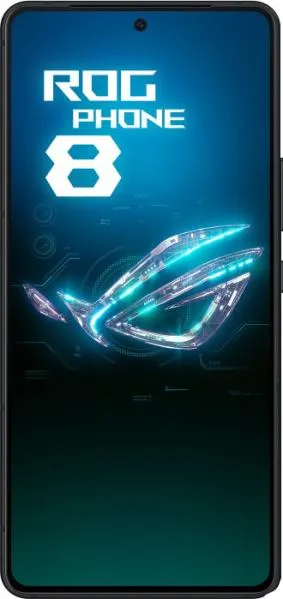
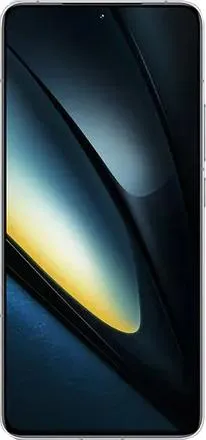
Asus ROG Phone 8 vs. Xiaomi Poco F6 Pro: A Deep Dive
Let's dissect these two powerful contenders, the Asus ROG Phone 8 and the Xiaomi Poco F6 Pro, going beyond the spec sheet to understand what they truly offer in the real world.
1. Specifications Breakdown
| Feature | Asus ROG Phone 8 | Xiaomi Poco F6 Pro | Real-World Implications |
|---|---|---|---|
| Design | |||
| Dimensions | 163.8 x 76.8 x 8.9 mm | 160.9 x 75 x 8.2 mm | Poco F6 Pro is slightly more compact and thinner. ROG Phone 8 might feel bulkier. |
| Weight | 225g | 209g | Noticeable difference in hand; Poco F6 Pro will feel lighter and more comfortable for extended use. |
| Display | |||
| Size | 6.78" | 6.67" | Negligible difference in screen real estate. |
| Type | LTPO AMOLED | AMOLED | ROG Phone 8's LTPO panel offers better power efficiency with dynamic refresh rate adjustment. |
| Resolution | 1080x2400 | 1440x3200 | Poco F6 Pro boasts sharper visuals due to higher pixel density (526 ppi vs 388 ppi). |
| Refresh Rate | 165Hz | 120Hz | ROG Phone 8 delivers smoother animations and scrolling, especially noticeable in gaming. |
| Peak Brightness | 2500 nits | 4000 nits | Poco F6 Pro achieves significantly higher peak brightness, ensuring better outdoor visibility. |
| Performance | |||
| Chipset | Snapdragon 8 Gen 3 | Snapdragon 8 Gen 2 | ROG Phone 8 utilizes the latest generation chip, promising a performance advantage in demanding tasks and games. |
| CPU | Octa-core (3.3 GHz Cortex-X4...) | Octa-core (3.2 GHz Cortex-X3...) | ROG Phone 8's Cortex-X4 prime core delivers a higher clock speed for potentially faster single-core performance. |
| GPU | Adreno 750 | Adreno 740 | ROG Phone 8's GPU is expected to offer improved graphics performance. |
| RAM | 16GB | 12GB/16GB | Both offer ample RAM for multitasking; 16GB configuration on both ensures smooth performance. |
| Storage | 256GB | 512GB/1TB | Poco F6 Pro offers more generous storage options for users who need ample space for media and files. |
| Battery | |||
| Capacity | 5500 mAh | 5000 mAh | ROG Phone 8 offers a slightly larger battery capacity. |
2. Key Insights
The ROG Phone 8 is a gaming powerhouse, prioritizing performance and a smooth display with its 165Hz refresh rate and Snapdragon 8 Gen 3. Its larger battery also caters to extended gaming sessions.
The Poco F6 Pro excels in display brilliance and sharpness with its higher resolution and peak brightness. While it uses a slightly older processor, the Snapdragon 8 Gen 2 is still a formidable performer. The more generous storage options are also a significant advantage.
3. User Profiles and Recommendations
ROG Phone 8: Ideal for mobile gamers, power users, and those who value the smoothest possible display experience.
Poco F6 Pro: Suitable for content creators, multimedia enthusiasts, and users who prioritize a vibrant and sharp display along with ample storage.
4. Buying Decision Framework
- What is your primary use case? Gaming? Content consumption? General productivity?
- How important is display quality versus performance? A sharper display or smoother frame rates?
- What is your budget and storage requirement? Consider the price difference between storage variants.
My Choice: Asus ROG Phone 8
While the Poco F6 Pro offers a compelling package, I would choose the Asus ROG Phone 8. The latest Snapdragon 8 Gen 3, coupled with the 165Hz display, creates a compelling proposition for performance enthusiasts like myself. I value the extra smoothness in everyday use and especially in gaming. While I appreciate the Poco F6 Pro's sharper screen, the performance difference and smoother experience of the ROG Phone 8 edge it out for me. The larger battery also provides peace of mind for longer usage sessions.
