1. Specifications Comparison
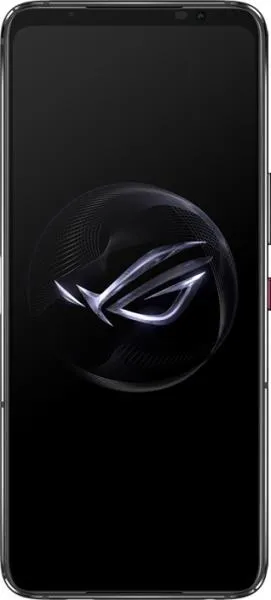
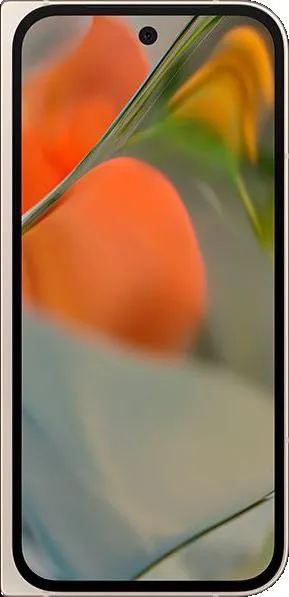
| Feature | Asus ROG Phone 7 | Google Pixel 9 Pro Fold | Practical Impact |
|---|---|---|---|
| Design | |||
| Dimensions (mm) | 173 x 77 x 10.3 | 155.2 x 150.2 x 5.1 | ROG Phone 7 is larger and thicker; Pixel 9 Pro Fold is wider due to its folding design. Foldable design offers portability but potentially increased fragility. |
| Weight (g) | 239 | 257 | Pixel 9 Pro Fold is slightly heavier. Weight difference is minor in practical use. |
| Foldable | No | Yes | Pixel's foldable design allows for a larger screen in a more compact form when folded. |
| Display | |||
| Size (inches) | 6.78 | 8 | Pixel 9 Pro Fold boasts a significantly larger display area for multitasking and media consumption. |
| Resolution (px) | 1080 x 2448 | 2076 x 2152 | Pixel has a much higher resolution, resulting in sharper text and images. |
| Refresh Rate (Hz) | 165 | 120 | ROG Phone 7's higher refresh rate provides smoother animations and scrolling, particularly beneficial for gaming. |
| Display Type | AMOLED, 1B colors | Foldable LTPO OLED | Both offer excellent color accuracy and deep blacks. LTPO on the Pixel allows for variable refresh rate, potentially saving battery. |
| Peak Brightness (nits) | 1500 | 2700 | Pixel 9 Pro Fold's significantly higher peak brightness ensures better visibility in direct sunlight. |
| Performance | |||
| Chipset | Snapdragon 8 Gen 2 | Google Tensor G4 | Both are high-end chipsets, but Snapdragon 8 Gen 2 generally benchmarks higher in raw performance. Tensor G4 may excel in AI-specific tasks. |
| CPU | Octa-core (1x3.2 GHz Cortex-X3...) | Octa-core (1x3.1 GHz Cortex-X4...) | Both CPUs offer top-tier performance. Slight core architecture differences may favor specific workloads. Real-world performance will be very similar for most users. |
| GPU | Adreno 740 | Mali-G715 MC7 | Adreno 740 generally offers better gaming performance. |
| RAM (GB) | 12/16 | 16 | Pixel 9 Pro Fold offers more RAM, enabling better multitasking and app switching. 12GB on the ROG Phone 7 is still ample for most users. |
| Camera | |||
| Main Camera (MP) | 50 (Sony IMX766) | 48 | Comparable main camera resolution. Sensor and image processing will play a larger role in image quality. Missing sensor model for Pixel makes detailed comparison difficult. |
| Ultrawide (MP) | 13 | 10.5 | ROG Phone 7 has a slightly higher resolution ultrawide. |
| Telephoto (MP) | N/A | 10.8 | Pixel 9 Pro Fold offers optical zoom capability, absent in the ROG Phone 7. |
| Battery | |||
| Capacity (mAh) | 6000 | 4650 | ROG Phone 7 has significantly larger battery capacity, likely translating to longer battery life. |
2. Key Differences Analysis
Asus ROG Phone 7 Advantages:
- Higher Refresh Rate Display: Smoother gaming and overall user experience.
- Larger Battery: Potentially significantly longer battery life.
- Generally Higher Benchmark Performance: May be noticeable in demanding games and applications.
- Lower Price: (Based on provided limited pricing data).
Google Pixel 9 Pro Fold Advantages:
- Foldable Design: Increased portability and larger screen real estate when unfolded.
- Higher Resolution Display: Sharper visuals for multimedia consumption.
- Higher Peak Brightness: Enhanced outdoor visibility.
- Optical Zoom Camera: More versatile photography capabilities.
- More RAM: Better multitasking performance.
3. User Profiles & Recommendations
Asus ROG Phone 7: Ideal for mobile gamers, power users prioritizing performance and battery life, and budget-conscious enthusiasts.
Google Pixel 9 Pro Fold: Best suited for users who value portability and a large screen for productivity and media consumption, prioritize camera versatility, and are willing to pay a premium for the foldable form factor.
4. Decision Framework
Key Questions for Buyers:
- Is a foldable design a priority? This is the most significant differentiator.
- What is your primary use case? Gaming vs. productivity/media consumption.
- What is your budget? The Pixel 9 Pro Fold commands a significant price premium.
Scenario-Based Recommendations:
- Heavy gamer on a budget: ROG Phone 7
- Business professional needing multitasking and portability: Pixel 9 Pro Fold
- Content creator who values a large, high-quality display: Pixel 9 Pro Fold
My Choice: Google Pixel 9 Pro Fold
While the ROG Phone 7 offers compelling performance and battery life, the Pixel 9 Pro Fold's foldable design and larger, higher-resolution display are more appealing to my personal needs. I prioritize portability and having a large screen for productivity and media consumption. The addition of an optical zoom lens enhances the camera's versatility, which is important to me. Although the battery capacity is smaller, the LTPO display technology may mitigate this difference somewhat. Finally, the increased RAM on the Pixel will provide a smoother multitasking experience, which is crucial for my workflow. I acknowledge the higher price point but am willing to pay the premium for the unique form factor and its benefits.
