1. Specifications Comparison
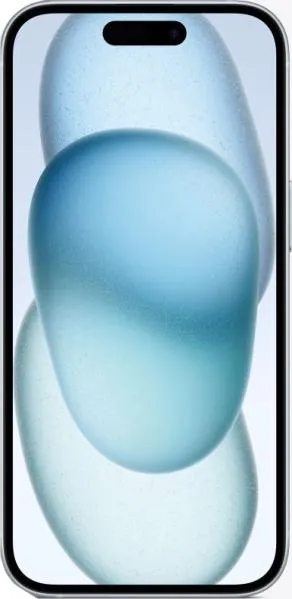
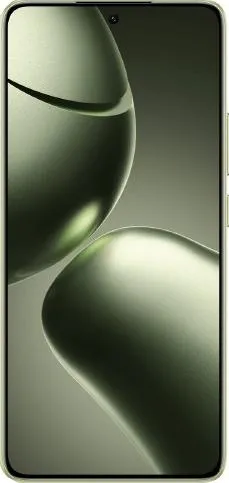
| Feature | Apple iPhone 15 | Xiaomi 14T | Practical Impact |
|---|---|---|---|
| Design | |||
| Dimensions | 147.6 x 71.6 x 7.8 mm | 160.5 x 75.1 x 7.8 mm | The Xiaomi 14T is noticeably larger and potentially less comfortable for one-handed use. |
| Weight | 171g | 193g | The iPhone 15 is lighter and will feel less bulky in pockets and during extended use. |
| Build Materials | Not specified | Not specified | Build quality and durability cannot be compared without further information. |
| Display | |||
| Size | 6.1" | 6.67" | The Xiaomi 14T offers a significantly larger screen for media consumption and multitasking. |
| Type | Super Retina XDR OLED | AMOLED | Both are high-quality display technologies; practical differences might be subtle. |
| Resolution | 1179 x 2556 | 1220 x 2712 | The Xiaomi 14T has a slightly higher resolution, but the difference in sharpness might be negligible at these screen sizes. |
| Refresh Rate | Not specified | 144Hz | The 144Hz refresh rate on the Xiaomi 14T will result in significantly smoother animations and scrolling compared to the iPhone 15 (assumed to be 60Hz). |
| Peak Brightness | 2000 nits | 4000 nits | The Xiaomi 14T's much higher peak brightness ensures better visibility in direct sunlight. |
| Performance | |||
| Chipset | Apple A16 Bionic (4 nm) | Mediatek Dimensity 8300 Ultra (4 nm) | While both are powerful chips, Apple's A16 Bionic generally benchmarks higher in terms of raw performance. However, real-world performance depends on optimization. |
| CPU | Hexa-core | Octa-core | Core count doesn't directly translate to performance; the A16's architecture and optimization are key factors. |
| GPU | Apple GPU (5-core) | Mali G615-MC6 | Apple's GPUs typically offer superior performance in graphics-intensive tasks like gaming. |
| RAM | 6GB | 12GB | The Xiaomi 14T has double the RAM, allowing for better multitasking and keeping more apps open in the background. |
| Storage | 256GB/512GB | 512GB | Comparable storage options at the high end. |
| Battery | |||
| Capacity | 3349 mAh | 5000 mAh | The Xiaomi 14T has a substantially larger battery, likely resulting in significantly longer battery life. |
| Camera | |||
| Video Capabilities | Up to 4K@60fps, 1080p@240fps | Up to 4K@60fps, 1080p@960fps | Both offer excellent video recording capabilities. The Xiaomi offers higher slow-motion recording at 960fps. Missing details about specific camera sensors and lens configurations make a detailed comparison impossible. |
| Other | |||
| OS | iOS 17 | Android 14 | OS preference is subjective. iOS is known for simplicity and a tightly controlled ecosystem, while Android offers more customization options. |
| Sensors | Face ID, accelerometer, gyro, proximity, compass, barometer | accelerometer, gyro, proximity, compass, Fingerprint (under display) | Both offer a standard suite of sensors. The iPhone features Face ID for biometric authentication, while the Xiaomi 14T relies on an in-display fingerprint sensor. |
2. Key Differences Analysis
iPhone 15 Advantages:
- Likely Superior Performance: The A16 Bionic is expected to outperform the Dimensity 8300 Ultra, especially in demanding tasks.
- More Compact and Lighter: Easier to handle and carry.
- Established Ecosystem: iOS is known for its simplicity, app quality, and privacy features.
Xiaomi 14T Advantages:
- Larger Display and Higher Refresh Rate: More immersive media consumption and smoother user experience.
- Significantly Longer Battery Life: The larger battery capacity suggests much longer usage between charges.
- Higher Brightness Display: Superior outdoor visibility.
- More RAM: Enhanced multitasking capabilities.
- Potentially Lower Price: Though both are in the "medium price" range, Xiaomi often undercuts Apple in pricing.
3. User Profiles & Recommendations
iPhone 15: Users prioritizing performance, a compact form factor, and the iOS ecosystem. Ideal for those who value a premium feel and seamless integration with other Apple devices. Suitable for everyday tasks, gaming, and content creation.
Xiaomi 14T: Users who prioritize a large display, long battery life, and a high refresh rate. Ideal for media consumption, multitasking, and mobile gaming. Suitable for power users who demand long battery life and a smooth user experience.
4. Decision Framework
Key Questions for Buyers:
- What screen size and form factor do you prefer? Compact or large? One-handed usability or maximized screen real estate?
- How important is raw performance versus battery life? Gaming and demanding tasks vs all-day usage.
- Which operating system do you prefer? iOS or Android?
Scenario-Based Recommendations:
- Heavy Gamer: The iPhone 15, though the Xiaomi 14T's higher refresh rate might be appealing for some games.
- Power User (Multitasking, Long Hours): The Xiaomi 14T, due to the large battery, bigger screen, and ample RAM.
- Casual User (Social Media, Browsing): Either phone would suffice, but the iPhone 15's smaller size might be preferred for portability.
My Choice: Xiaomi 14T
While I acknowledge the likely performance advantage of the iPhone 15's A16 Bionic chip, the Xiaomi 14T's combination of a larger, high refresh rate display, significantly larger battery, and ample RAM is more compelling for my personal use. I prioritize a smooth and immersive user experience, long battery life for extended use without charging, and the ability to multitask efficiently. The potential price difference further reinforces my preference for the Xiaomi 14T. Android's customization options are also a plus for me.
