
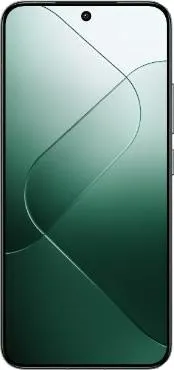
1. Specifications Comparison
| Feature | Apple iPhone 15 | Xiaomi 14 | Practical Impact |
|---|---|---|---|
| Design | |||
| Dimensions | 147.6x71.6x7.8mm | 152.8x71.5x8.2mm | Xiaomi 14 is slightly larger and thicker. |
| Weight | 171g | 188g | iPhone 15 is noticeably lighter, improving one-handed use. |
| Build | Not specified | Not specified | Build materials impact durability and premium feel; information lacking here. |
| Display | |||
| Size | 6.1" | 6.36" | Xiaomi 14 offers a larger screen for media consumption. |
| Type | Super Retina XDR OLED | LTPO OLED | Both are high-quality displays; LTPO on Xiaomi allows for variable refresh rate, potentially saving battery. |
| Resolution | 1179x2556 | 1200x2670 | Similar pixel density (~460 ppi) resulting in sharp visuals on both. |
| Refresh Rate | Not specified | 120Hz | 120Hz on Xiaomi 14 provides smoother scrolling and animations compared to a standard 60Hz (assumed for iPhone 15). |
| Peak Brightness | 2000 nits | 3000 nits | Xiaomi 14 should be more readable in direct sunlight. |
| Performance | |||
| Chipset | Apple A16 Bionic (4 nm) | Snapdragon 8 Gen 3 (4 nm) | Both are flagship chipsets, expecting top-tier performance. Cross-platform comparisons are difficult without benchmarks. |
| CPU | Hexa-core | Octa-core | Core count doesn't directly translate to performance; real-world usage depends on optimization. |
| GPU | Apple GPU (5-core) | Adreno 750 | Gaming performance needs further benchmarking, but both should handle demanding tasks. |
| RAM | 6GB | 12GB | Xiaomi 14's larger RAM allows for more apps to run in the background without reloading. |
| Battery | |||
| Capacity | 3349 mAh | 4610 mAh | Xiaomi 14 has a significantly larger battery, likely leading to longer battery life. |
| Camera | |||
| Video Capabilities | Up to 4K@60fps, 1080p@240fps | Up to 8K@24fps, 720p@1920fps | Xiaomi 14 offers higher resolution (8K) and extreme slow-motion (1920fps) video recording options. |
| Specific Sensor details | Lacking for both | Lacking for both | Detailed sensor specifications (e.g., sensor size, aperture) are crucial for comparing camera quality. |
2. Key Differences Analysis
Xiaomi 14 Advantages:
- Larger Display and Battery: Provides more immersive media consumption and longer usage time.
- Higher Refresh Rate: Smoother animations and scrolling enhance the user experience.
- More RAM: Better multitasking and less frequent app reloading.
- Higher Resolution and Slow Motion Video: More detailed videos and creative possibilities.
iPhone 15 Advantages:
- Lighter Weight: More comfortable for one-handed use and extended periods.
- Potentially Better Optimized Software: iOS is known for its tight integration with hardware, potentially leading to smoother performance despite lower RAM.
3. User Profiles & Recommendations
iPhone 15: Users prioritizing a lightweight, compact phone with a polished user experience. Suitable for everyday tasks, moderate media consumption, and users invested in the Apple ecosystem.
Xiaomi 14: Users who value a large screen, long battery life, and advanced camera features. Ideal for heavy media consumers, mobile gamers, and power users.
4. Decision Framework
Key Questions:
- What screen size and battery life do you need?
- How important is a smooth display and high RAM for your usage?
- Are you invested in the Apple ecosystem or prefer the flexibility of Android?
Scenario-based Recommendations:
- Heavy media consumption and gaming: Xiaomi 14
- One-handed use and portability: iPhone 15
- Prioritizing long-term software updates and a cohesive ecosystem: iPhone 15
My Choice: Xiaomi 14
While the iPhone 15 offers a refined experience and lighter weight, the Xiaomi 14's significantly larger battery, 120Hz display, and larger RAM are compelling advantages for my usage. The potential for longer battery life, smoother scrolling, and better multitasking outweighs the slightly larger size and weight. Additionally, the Xiaomi 14 offers more advanced video recording capabilities. While acknowledging Apple's strong performance optimization, the Xiaomi 14's hardware advantages, particularly in battery and display, would likely provide a more satisfying overall experience for me. However, this is a personal preference, and users heavily invested in the Apple ecosystem might still prefer the iPhone 15.
