1. Specifications Comparison
| Feature | Category | Apple iPhone 15 | Motorola Edge 50 Ultra | Practical Impact |
|---|---|---|---|---|
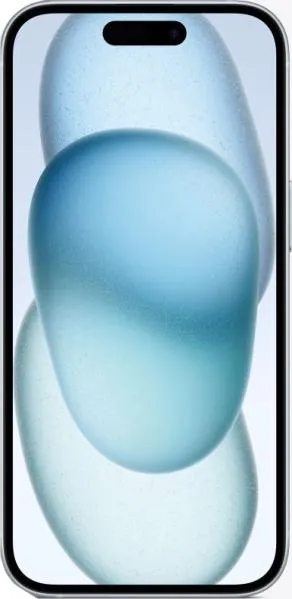
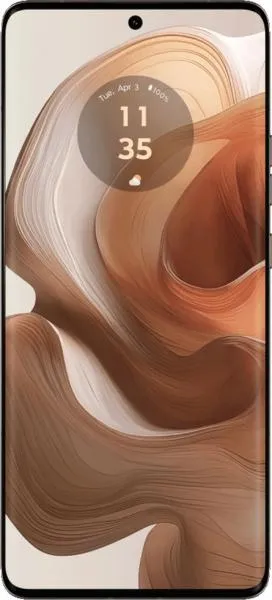
| Dimensions | Design | 147.6 x 71.6 x 7.8 mm, 171g | 161.1 x 72.4 x 8.6 mm, 197g | The iPhone 15 is significantly smaller and lighter, making it more pocketable and comfortable for one-handed use. The Motorola is larger and heavier, potentially more immersive for media consumption but less comfortable for extended use. |
| Display Size/Type | Display | 6.1" Super Retina XDR OLED | 6.7" P-OLED | The Motorola offers a larger display, beneficial for multitasking and media consumption. Both use OLED technology for vibrant colors and deep blacks. |
| Resolution/PPI | Display | 1179 x 2556, 461 PPI | 1220 x 2712, 446 PPI | While the Motorola has a higher resolution, the difference in PPI is negligible. Both offer sharp, detailed visuals. |
| Refresh Rate | Display | Not specified | 144Hz | A higher refresh rate on the Motorola results in smoother scrolling and animations, improving the overall feel of responsiveness, especially noticeable in gaming and fast-paced content. The lack of this spec for the iPhone 15 prevents a direct comparison. |
| Peak Brightness | Display | 2000 nits | 2500 nits | The Motorola's higher peak brightness ensures better visibility in direct sunlight. |
| Chipset | Performance | Apple A16 Bionic (4 nm) | Qualcomm Snapdragon 8s Gen 3 (4 nm) | Both are flagship chipsets from their respective manufacturers, promising excellent performance. Real-world performance can vary based on optimization. |
| CPU/GPU | Performance | Hexa-core, Apple GPU (5-core) | Octa-core, Adreno 735 | Specific core configurations are less indicative of real-world performance than benchmarks. Both should handle demanding tasks with ease. |
| RAM | Performance | 6GB | 16GB | The Motorola boasts significantly more RAM, enabling better multitasking and potentially smoother performance when handling many apps or large files. |
| Storage | Performance | 256GB/512GB | 512GB | Both offer ample storage for most users, though the iPhone 15 offers a lower storage tier option. |
| Battery Capacity | Battery | 3349 mAh | 4500 mAh | The Motorola's significantly larger battery likely translates to much longer battery life. |
| OS | Software | iOS 17 | Android 14 | OS preference is subjective. iOS is known for simplicity and a tightly controlled ecosystem, while Android offers more customization and flexibility. |
| Video Capabilities | Camera | Up to 4K@60fps (HDR), 1080p@240fps | Up to 4K@60fps (HDR, EIS), 1080p@960fps (HDR, EIS) | Both offer excellent video recording capabilities. The Motorola offers a higher slow-motion frame rate and Electronic Image Stabilization (EIS) at higher resolutions potentially offering smoother and more stable footage. |
2. Key Differences Analysis
iPhone 15 Advantages:
- Smaller and Lighter: Easier to handle and carry.
- Potentially Better Optimized Software: Apple's tight integration of hardware and software often leads to smoother performance.
Motorola Edge 50 Ultra Advantages:
- Larger Display and Higher Refresh Rate: More immersive media experience and smoother interactions.
- Significantly Larger Battery: Longer usage time between charges.
- More RAM: Superior multitasking capabilities.
- Higher Peak Brightness: Better outdoor visibility.
Trade-offs:
- The Motorola's larger size might be less comfortable for some users.
- iPhone's ecosystem can be considered restrictive by some, while Android offers greater flexibility.
3. User Profiles & Recommendations
iPhone 15: Users who prioritize a compact and lightweight phone, value ease of use and a seamless ecosystem, and prefer a familiar user experience.
Motorola Edge 50 Ultra: Users who prioritize a large display for media consumption and gaming, need long battery life, heavily multitask, and desire more customization options. Power users or those who consume a lot of media would gravitate here.
4. Decision Framework
Key Questions:
- What size phone do you prefer? Prioritize portability or screen real estate?
- How important is battery life? Is all-day usage essential?
- What is your budget and preferred operating system? Both are in the mid-range price bracket, but individual market prices may vary.
Scenario-Based Recommendations:
- Heavy media consumer: Motorola Edge 50 Ultra due to its large display, high refresh rate, and long battery life.
- One-handed use and portability: iPhone 15 due to its smaller size and lighter weight.
- Gamer: Motorola Edge 50 Ultra due to the high refresh rate, larger display, and larger battery capacity.
My Choice: Motorola Edge 50 Ultra
While the iPhone 15 offers a polished and compact experience, the Motorola Edge 50 Ultra provides a compelling combination of features that better suit my needs. The significantly larger battery, higher refresh rate display, increased RAM, and brighter screen are substantial advantages for my usage patterns, which involve heavy multitasking, media consumption, and a preference for a larger screen. The slightly larger size is a trade-off I'm willing to make for these benefits. Android's flexibility also aligns better with my preferences. Ultimately, the Motorola provides more value for my specific needs.
