1. Specifications Comparison
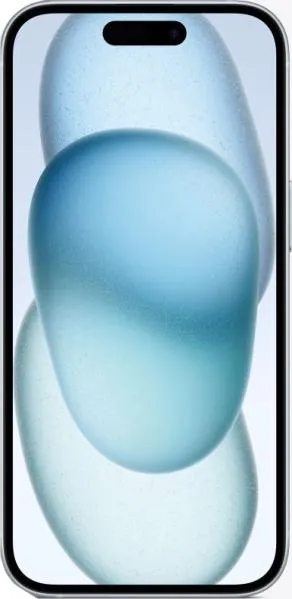
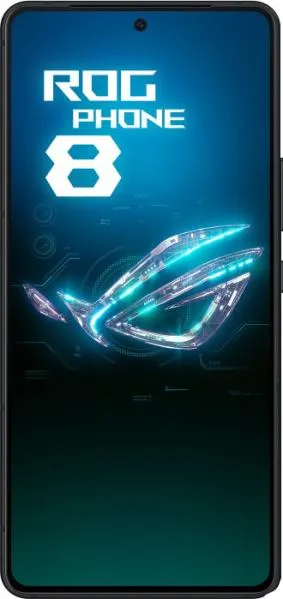
| Feature | Apple iPhone 15 | Asus ROG Phone 8 | Practical Impact |
|---|---|---|---|
| Design | |||
| Dimensions | 147.6x71.6x7.8mm | 163.8x76.8x8.9mm | The iPhone 15 is significantly smaller and thinner, making it more pocketable and easier to handle one-handed. The ROG Phone 8 is larger and heavier, geared towards two-handed use. |
| Weight | 171g | 225g | The iPhone 15 is noticeably lighter, reducing hand fatigue during extended use. |
| Display | |||
| Size | 6.1" | 6.78" | The ROG Phone 8 offers a much larger screen, providing a more immersive experience for media consumption and gaming. |
| Type | Super Retina XDR OLED | LTPO AMOLED | Both are high-quality display technologies. LTPO on the ROG Phone 8 allows for variable refresh rate, potentially saving battery. |
| Resolution | 1179x2556 | 1080x2400 | The iPhone 15 has a higher pixel density (461 ppi vs 388 ppi), resulting in sharper text and images. However, the difference might not be noticeable in everyday use. |
| Refresh Rate | Not specified | 165Hz | A higher refresh rate on the ROG Phone 8 results in smoother animations and scrolling, especially noticeable in gaming. The lack of refresh rate specification for the iPhone 15 is a notable omission. |
| Peak Brightness | 2000 nits | 2500 nits | The ROG Phone 8 can achieve a higher peak brightness, improving outdoor visibility. |
| Performance | |||
| Chipset | Apple A16 Bionic (4 nm) | Qualcomm Snapdragon 8 Gen 3 (4 nm) | Both are flagship chipsets offering top-tier performance. Cross-platform comparisons are difficult without benchmarks. |
| CPU | Hexa-core | Octa-core | Core count doesn't directly translate to performance. Both CPUs are expected to handle demanding tasks with ease. |
| GPU | Apple GPU (5-core graphics) | Adreno 750 | Gaming performance likely favors the Adreno 750, but real-world comparisons are needed. |
| RAM | 6GB | 16GB | The significantly higher RAM in the ROG Phone 8 allows for more apps to run in the background without reloading, improving multitasking. |
| Storage | 256GB/512GB | 256GB | The iPhone 15 offers a 512GB storage option, providing more space for apps, photos, and videos. |
| Battery | |||
| Capacity | 3349 mAh | 5500 mAh | The ROG Phone 8 has a substantially larger battery, likely resulting in significantly longer battery life. |
| Camera | Not enough information | Not enough information | Detailed camera specifications are missing, preventing a meaningful comparison. |
2. Key Differences Analysis
iPhone 15 Advantages:
- More compact and lightweight: Easier for one-handed use and portability.
- Higher resolution display: Sharper text and images.
- Potentially better optimized software: iOS is known for its optimization with Apple hardware.
ROG Phone 8 Advantages:
- Larger display with higher refresh rate: More immersive media consumption and smoother gaming experience.
- Significantly larger battery: Longer battery life.
- More RAM: Enhanced multitasking capabilities.
- Higher peak brightness: Improved outdoor visibility.
3. User Profiles & Recommendations
iPhone 15: Users who prioritize a compact and lightweight phone with a sharp display and a seamless user experience. Ideal for everyday tasks, social media, and moderate gaming.
ROG Phone 8: Users who prioritize performance, a large screen, long battery life, and a smooth gaming experience. Ideal for mobile gamers, power users, and those who consume a lot of media on their phones.
4. Decision Framework
Key Questions for Buyers:
- What is your primary use case for a smartphone? (Gaming, everyday tasks, media consumption)
- How important is portability and one-handed use?
- What is your budget and how much value do you place on specific features like battery life, screen size, and performance?
Scenario-Based Recommendations:
- Heavy gamer: ROG Phone 8
- Everyday user prioritizing portability: iPhone 15
- Power user who needs long battery life: ROG Phone 8
My Choice: Asus ROG Phone 8
While the iPhone 15 offers a polished and compact experience, the ROG Phone 8 better suits my needs. I value a large, high refresh rate display for media consumption and gaming. The significantly larger battery and increased RAM are crucial for my usage patterns. While I acknowledge the benefits of the iPhone's compact form factor, the ROG Phone 8's performance advantages and longer battery life outweigh the size and weight trade-off for me. The lack of detailed camera specifications prevents a complete assessment, but based on the available information, the ROG Phone 8 aligns better with my priorities.
