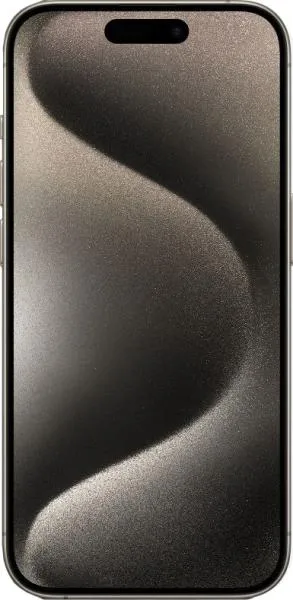
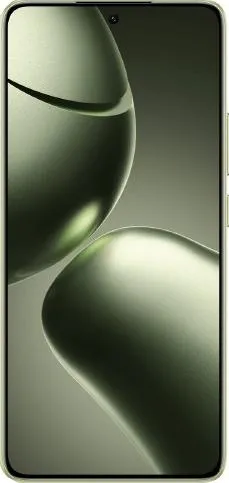
1. Specifications Comparison
| Feature | Apple iPhone 15 Pro | Xiaomi 14T | Practical Impact |
|---|---|---|---|
| Design | |||
| Dimensions | 146.6x70.6x8.3mm | 160.5x75.1x7.8mm | iPhone 15 Pro is noticeably smaller and potentially more pocketable. Xiaomi 14T might feel larger in hand. |
| Weight | 187g | 193g | Weight difference is negligible in real-world usage. |
| Build Materials | Not specified | Not specified | Material choice impacts durability and premium feel; information lacking for both. |
| Display | |||
| Size | 6.1" | 6.67" | Xiaomi 14T offers a significantly larger screen for media consumption and multitasking. |
| Type | LTPO Super Retina XDR OLED | AMOLED | Both are high-quality display technologies; practical differences might be subtle in terms of color accuracy and power efficiency due to LTPO. |
| Refresh Rate | 120Hz | 144Hz | Xiaomi 14T's higher refresh rate could result in slightly smoother animations and scrolling, especially noticeable in gaming. |
| Peak Brightness | 2000 nits (HBM) | 4000 nits (peak) | Xiaomi 14T should offer significantly better visibility in direct sunlight. |
| Resolution | 1179x2556 | 1220x2712 | Xiaomi 14T has a slightly higher resolution, but the difference in sharpness might not be perceptible due to the similar pixel densities. |
| Performance | |||
| Chipset | Apple A17 Pro (3 nm) | Mediatek Dimensity 8300 Ultra (4 nm) | A17 Pro is expected to offer superior performance and efficiency due to its newer architecture and manufacturing process. Real-world performance differences would depend on specific tasks and optimization. |
| CPU | Hexa-core (2x3.78 GHz + 4x2.11 GHz) | Octa-core (1x3.35 GHz Cortex-A715 & 3x3.20 GHz Cortex-A715 & 4x2.20 GHz Cortex-A510) | Core configuration details are less informative than benchmark comparisons for practical performance differences. |
| GPU | Apple GPU (6-core graphics) | Mali G615-MC6 | Apple's GPUs generally offer strong performance; direct comparison requires benchmark data for gaming and graphics-intensive tasks. |
| RAM | 8GB | 12GB | Xiaomi 14T's larger RAM could provide better multitasking performance and prevent apps from reloading in the background. |
| Battery | |||
| Capacity | 3274 mAh | 5000 mAh | Xiaomi 14T has a significantly larger battery, potentially leading to much longer battery life. |
| Other | |||
| Price Range | High | Medium | Significant price difference, suggesting different target markets and value propositions. |
| OS | iOS 17 | Android 14 | OS preference is subjective; both offer mature ecosystems with distinct features and user interfaces. |
| Storage | 256GB, 512GB, 1TB | 512GB | iPhone offers more storage options. |
2. Key Differences Analysis
iPhone 15 Pro Advantages:
- Performance: Likely more powerful and efficient processor (A17 Pro).
- Compact Size: Easier to handle and pocket.
- Premium Ecosystem: Integration with other Apple devices and services.
- Software Updates: Longer software support lifecycle.
Xiaomi 14T Advantages:
- Larger Display: More immersive experience for media consumption.
- Higher Refresh Rate: Smoother scrolling and animations.
- Significantly Larger Battery: Potentially much longer battery life.
- Lower Price: More affordable.
- More RAM: Better for multitasking.
3. User Profiles & Recommendations
iPhone 15 Pro: Users who prioritize performance, a compact size, seamless Apple ecosystem integration, and are willing to pay a premium. Ideal for demanding tasks, content creation, and users heavily invested in the Apple ecosystem.
Xiaomi 14T: Users who prioritize a large display, long battery life, and value for money. Ideal for media consumption, gaming, and users who prefer a larger screen for multitasking.
4. Decision Framework
Key Questions:
- What is your budget? The iPhone 15 Pro is significantly more expensive.
- What screen size do you prefer? Xiaomi 14T offers a much larger display.
- What is most important: Performance, battery life, or price? Each phone prioritizes different aspects.
Scenario-Based Recommendations:
- Heavy User, Premium Focused: iPhone 15 Pro
- Media Consumption, Budget Conscious: Xiaomi 14T
- Gamer on a Budget: Xiaomi 14T (larger display, higher refresh rate, bigger battery)
My Choice: Xiaomi 14T
While I appreciate the likely superior performance and premium feel of the iPhone 15 Pro, the Xiaomi 14T offers a compelling combination of features for my personal needs. The significantly larger battery, higher refresh rate display, and lower price are major deciding factors. I prioritize battery life and screen real estate for media consumption and productivity, and the 14T excels in these areas. The price difference is significant enough to outweigh the performance advantages of the iPhone for my usage. I am also comfortable with the Android ecosystem.
