1. Specifications Comparison
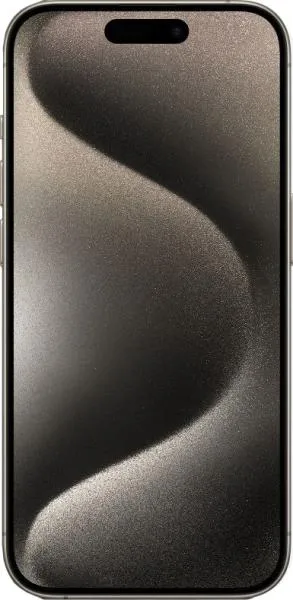
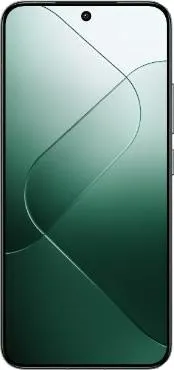
| Feature | Apple iPhone 15 Pro | Xiaomi 14 | Practical Impact |
|---|---|---|---|
| Design | |||
| Dimensions (mm) | 146.6 x 70.6 x 8.3 | 152.8 x 71.5 x 8.2 | iPhone 15 Pro is noticeably smaller and slightly thinner, making it more pocketable and easier to handle one-handed. Xiaomi 14 is taller and wider. |
| Weight (g) | 187 | 188 | Negligible weight difference in real-world usage. |
| Build Materials | Not specified | Not specified | Cannot compare build quality and durability without material information. |
| Display | |||
| Size (inches) | 6.1 | 6.36 | Xiaomi 14 offers a larger screen for more immersive media consumption and multitasking. |
| Type | LTPO Super Retina XDR OLED | LTPO OLED | Both offer high-quality OLED displays with vibrant colors and deep blacks. "Super Retina XDR" branding suggests Apple's display might be calibrated for higher accuracy. |
| Resolution | 1179 x 2556 | 1200 x 2670 | Xiaomi 14 has a slightly higher resolution, resulting in marginally sharper text and images, but the difference is unlikely to be noticeable in everyday use. |
| Refresh Rate (Hz) | 120 | 120 | Both displays offer smooth scrolling and animations thanks to the 120Hz adaptive refresh rate. |
| Peak Brightness (nits) | 2000 (HBM) | 3000 | Xiaomi 14 boasts significantly higher peak brightness, ensuring better visibility in direct sunlight. |
| Performance | |||
| Chipset | Apple A17 Pro (3 nm) | Qualcomm Snapdragon 8 Gen 3 (4 nm) | A17 Pro is expected to provide superior performance and efficiency due to its more advanced 3nm manufacturing process. Real-world performance will depend on optimization. |
| CPU | Hexa-core (2x3.78 GHz + 4x2.11 GHz) | Octa-core (1x3.3 GHz Cortex-X4 & 3x3.2 GHz Cortex-A720 & 2x3.0 GHz Cortex-A720 & 2x2.3 GHz Cortex-A520) | Core configuration differences are less informative than benchmark results, which are missing here. |
| GPU | Apple GPU (6-core graphics) | Adreno 750 | GPU performance comparison requires benchmark data. Apple's GPUs have historically been strong performers. |
| RAM | 8GB | 12GB | Xiaomi 14 offers more RAM, potentially enabling better multitasking and smoother performance with memory-intensive applications. |
| Battery | |||
| Capacity (mAh) | 3274 | 4610 | Xiaomi 14 has a significantly larger battery, likely translating to longer battery life. Real-world usage will vary. |
| Camera | |||
| Specific Sensor Details | Missing | Missing | Comprehensive camera comparison requires sensor size, aperture, and other details. Video capabilities suggest both phones can record high-quality video. Xiaomi offers higher frame rate slow-motion. |
| Software | |||
| OS | iOS 17 | Android 14 | OS preference is subjective. iOS is known for its simplicity and tight hardware-software integration, while Android offers more customization options. |
2. Key Differences Analysis
- Advantage iPhone 15 Pro: Likely superior processing power and graphics performance due to the A17 Pro chip. More compact and pocketable design. Potentially better display calibration.
- Advantage Xiaomi 14: Significantly larger battery capacity for extended usage. Brighter display for improved outdoor visibility. More RAM for smoother multitasking. Lower price point. More versatile slow-motion video recording capabilities.
Trade-offs: iPhone 15 Pro likely sacrifices battery life for its smaller form factor. Xiaomi 14 might compromise on raw processing power compared to the iPhone.
3. User Profiles & Recommendations
- iPhone 15 Pro: Users prioritizing performance, a premium compact design, and seamless integration within the Apple ecosystem. Ideal for demanding tasks, gaming, and content creation.
- Xiaomi 14: Users prioritizing battery life, a larger display, affordability, and Android's customization options. Suitable for media consumption, multitasking, and all-day usage.
4. Decision Framework
Key Questions:
- Budget: How important is affordability?
- Performance vs. Battery Life: Which is a higher priority?
- Ecosystem Preference: iOS or Android?
My Choice: Xiaomi 14
Why: While the iPhone 15 Pro likely offers a performance advantage, the Xiaomi 14's combination of a larger battery, brighter display, greater RAM, and lower price makes it a more compelling overall package for me. I prioritize battery life and value, and the Xiaomi 14's features align better with my needs. The larger display is also a plus for media consumption. While I acknowledge Apple's strong performance reputation, the Snapdragon 8 Gen 3 is a powerful chip capable of handling demanding tasks. Ultimately, the significantly larger battery and lower price point are the deciding factors.
