1. Specifications Comparison
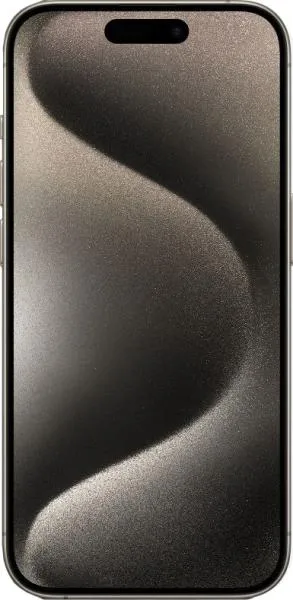
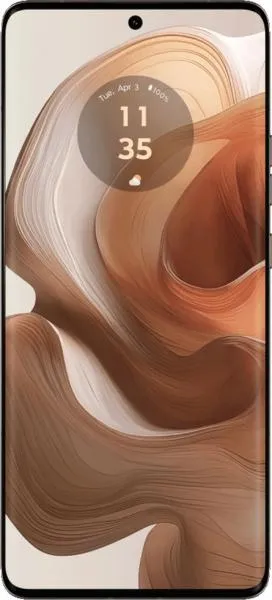
| Feature | Apple iPhone 15 Pro | Motorola Edge 50 Ultra | Practical Impact |
|---|---|---|---|
| Design | |||
| Dimensions | 146.6x70.6x8.3mm | 161.1x72.4x8.6mm | iPhone 15 Pro is significantly smaller and lighter, making it more pocketable and comfortable for one-handed use. |
| Weight | 187g | 197g | Noticeable difference in hand, prolonged use might fatigue hand with the Edge 50 Ultra. |
| Build Materials | Titanium | Not specified | Durability and premium feel may vary. Lack of information on Edge 50 Ultra prevents detailed comparison. |
| Display | |||
| Size | 6.1" | 6.7" | Edge 50 Ultra offers a larger screen for media consumption and multitasking, while the iPhone 15 Pro prioritizes one-handed usability. |
| Type | LTPO Super Retina XDR OLED | P-OLED | Both are high-quality display technologies; practical differences might be subtle in everyday use. |
| Refresh Rate | 120Hz | 144Hz | Edge 50 Ultra's slightly higher refresh rate could result in smoother scrolling and animations, though the difference might not be perceptible to all users. |
| Peak Brightness | 2000 nits (HBM) | 2500 nits | Edge 50 Ultra should offer better visibility in direct sunlight. |
| Resolution | 1179x2556 | 1220x2712 | Edge 50 Ultra has a slightly higher resolution, but due to the larger screen size, the PPI is lower (461 vs 446). The difference in sharpness will be minimal. |
| Performance | |||
| Chipset | Apple A17 Pro (3 nm) | Qualcomm Snapdragon 8s Gen 3 (4 nm) | Both are flagship chipsets promising top-tier performance. Real-world differences will depend on optimization and specific tasks. Cross-platform benchmarks are needed for objective comparison. |
| CPU | Hexa-core (2x3.78 GHz + 4x2.11 GHz) | Octa-core (1x3.0 GHz Cortex-X4 & 4x2.8 GHz Cortex-A720 & 3x2.0 GHz Cortex-A520) | Core counts and clock speeds don't directly translate to performance. Real-world usage and benchmarks are crucial for comparison. |
| GPU | Apple GPU (6-core graphics) | Adreno 735 | Gaming performance needs to be evaluated with real-world game tests. |
| RAM | 8GB | 16GB | Edge 50 Ultra's larger RAM could offer better multitasking performance and keep more apps open in the background. |
| Battery | |||
| Capacity | 3274 mAh | 4500 mAh | Edge 50 Ultra has a significantly larger battery, likely resulting in longer battery life. |
| Other | |||
| OS | iOS 17 | Android 14 | Different operating systems cater to different user preferences and ecosystems. |
| Storage | 256GB, 512GB, 1TB | 512GB | iPhone 15 Pro offers more storage options. |
| Price | High | Medium | Significant price difference; Edge 50 Ultra offers more value in terms of raw specifications for the price. |
2. Key Differences Analysis
iPhone 15 Pro Advantages:
- More compact and premium design: Smaller dimensions and lighter weight combined with titanium construction contribute to a more premium feel and improved one-handed usability.
- Potentially better performance per watt: Apple's A17 Pro chip is manufactured on a more advanced 3nm process, potentially leading to better energy efficiency.
- Stronger software and ecosystem integration: iOS is known for its optimization and seamless integration with other Apple devices.
Motorola Edge 50 Ultra Advantages:
- Larger display and battery: Offers a more immersive media experience and significantly longer battery life.
- Higher RAM: Facilitates smoother multitasking and better performance with memory-intensive applications.
- Significantly lower price: Provides a compelling value proposition for users seeking flagship-level specifications at a mid-range price.
3. User Profiles & Recommendations
iPhone 15 Pro: Users who prioritize a premium, compact design, seamless ecosystem integration, and value one-handed usability. Ideal for users heavily invested in the Apple ecosystem.
Motorola Edge 50 Ultra: Users who prioritize a large display, long battery life, and value for money. Best suited for heavy media consumers, multitaskers, and gamers seeking high-end specs without the premium price tag.
4. Decision Framework
Key Questions:
- What is your budget? The price difference is significant.
- Do you prioritize portability or screen size/battery life? The iPhone 15 Pro is significantly smaller and lighter but has a smaller battery and screen.
- Which operating system do you prefer? iOS and Android offer distinct user experiences and ecosystem benefits.
Scenario-Based Recommendations:
- Limited Budget, Heavy Media Consumption: Motorola Edge 50 Ultra
- Premium Experience, Compact Form Factor: iPhone 15 Pro
- Best Value for Performance and Features: Motorola Edge 50 Ultra
My Choice: Motorola Edge 50 Ultra
While the iPhone 15 Pro boasts a premium design and potentially better energy efficiency, the Motorola Edge 50 Ultra offers a compelling combination of performance, features, and value. The significantly larger battery, larger display, and higher RAM are crucial for my usage patterns, which involve heavy multitasking, media consumption, and occasional gaming. The lower price point makes it a more attractive option considering the impressive specifications. While iOS has its advantages, I prefer the flexibility and customization offered by Android. The potential performance difference between the chipsets wouldn't significantly impact my day-to-day usage, making the Edge 50 Ultra the better overall package for my needs.
