1. Specifications Comparison
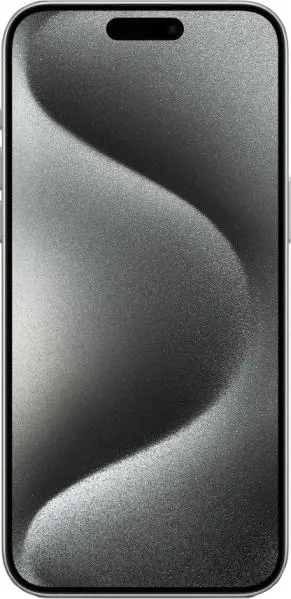
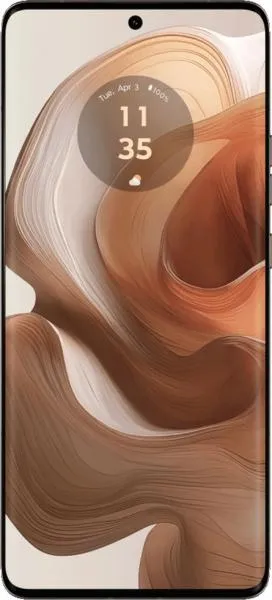
| Feature | Apple iPhone 15 Pro Max | Motorola Edge 50 Ultra | Practical Impact |
|---|---|---|---|
| Design | |||
| Dimensions | 159.9 x 76.7 x 8.3 mm | 161.1 x 72.4 x 8.6 mm | The iPhone 15 Pro Max is slightly shorter, narrower, and thinner. The Motorola is slightly wider and thicker. Negligible difference in hand feel for most users. |
| Weight | 221g | 197g | The Motorola is noticeably lighter, potentially reducing hand fatigue during extended use. |
| Build Materials | Not specified | Not specified | Cannot compare build quality and durability without material information. |
| Display | |||
| Display Type | LTPO Super Retina XDR OLED | P-OLED | Both offer excellent color accuracy and deep blacks. LTPO allows for more granular refresh rate control, potentially saving battery. |
| Display Size | 6.7" | 6.7" | Identical screen sizes offer the same media consumption experience. |
| Resolution | 1290 x 2796 | 1220 x 2712 | iPhone has a slightly sharper display (460 ppi vs 446 ppi), but the difference is barely noticeable in real-world use. |
| Refresh Rate | 120Hz | 144Hz | The Motorola's higher refresh rate provides smoother scrolling and animations, especially noticeable in gaming. |
| Peak Brightness | 2000 nits (HBM) | 2500 nits (peak) | The Motorola offers higher peak brightness, improving outdoor visibility in direct sunlight. |
| Performance | |||
| Chipset | Apple A17 Pro (3 nm) | Qualcomm Snapdragon 8s Gen 3 (4 nm) | A17 Pro is generally considered more powerful based on benchmarks, though real-world performance differences in everyday tasks might be subtle. The newer 3nm process suggests better power efficiency for the iPhone. |
| CPU | Hexa-core | Octa-core | Core count doesn't directly translate to performance; architecture and optimization play a larger role. Expect both to handle demanding tasks with ease. |
| GPU | Apple GPU (6-core) | Adreno 735 | Specific GPU performance comparisons require benchmarks. Both should offer excellent gaming performance. |
| RAM | 8GB | 16GB | The Motorola having double the RAM might provide better multitasking performance and allow more apps to stay open in the background. |
| Storage | 512GB/1000GB | 512GB | iPhone offers a 1TB storage option for users needing extensive local storage. |
| Battery | |||
| Capacity | 4441 mAh | 4500 mAh | Marginally larger battery in the Motorola. Actual battery life depends on software optimization and usage patterns. |
| Software | |||
| OS | iOS 17 | Android 14 | iOS is known for its simplicity and tight integration with Apple's ecosystem. Android offers more customization and flexibility. This is a matter of personal preference. |
2. Key Differences Analysis
iPhone 15 Pro Max Advantages:
- Potentially better performance and power efficiency due to the A17 Pro chip.
- Slightly sharper display.
- More storage options, including a 1TB variant.
- Stronger ecosystem integration if already invested in Apple products.
Motorola Edge 50 Ultra Advantages:
- Higher refresh rate display for smoother visuals.
- Higher peak brightness for better outdoor visibility.
- More RAM for improved multitasking.
- Lower weight for comfortable handling.
- Lower price for greater value.
Trade-offs: Choosing the Motorola might mean sacrificing some performance and ecosystem benefits for a smoother display, more RAM, and a lower price. Choosing the iPhone means potentially paying a premium for a more powerful device with a tightly controlled software experience.
3. User Profiles & Recommendations
iPhone 15 Pro Max: Users prioritizing performance, a seamless user experience within the Apple ecosystem, and who value a polished and optimized operating system. Ideal for demanding tasks, content creation, and users who prefer a premium device.
Motorola Edge 50 Ultra: Users prioritizing a smooth display, ample RAM for multitasking, a lighter phone, and value for their money. Ideal for gamers, power users who need strong multitasking capabilities, and budget-conscious consumers.
4. Decision Framework
Key Questions for Buyers:
- What is your budget? The iPhone is significantly more expensive.
- What operating system do you prefer? iOS and Android offer different experiences.
- What are your primary use cases? (Gaming, photography, productivity, etc.)
Scenario-Based Recommendations:
- Gamer: Motorola Edge 50 Ultra for its higher refresh rate.
- Power User: Motorola Edge 50 Ultra for its larger RAM and lower price.
- Photographer/Videographer: Both are strong contenders; further camera analysis is required as specifics were not provided.
- Casual User: Either phone would suffice; the Motorola offers better value.
My Choice: Motorola Edge 50 Ultra
Reasoning: While the iPhone boasts raw performance, the Motorola Edge 50 Ultra offers a compelling combination of features at a significantly lower price. The 144Hz display, higher RAM, lighter weight, and Android's flexibility outweigh the potential performance benefits of the A17 Pro for my personal needs. I value a smooth and responsive user experience, strong multitasking capabilities, and appreciate the value proposition of the Motorola. The difference in processing power likely won't be noticeable in my daily usage, making the Motorola the more practical choice for me. Finally, as a tech enthusiast, I enjoy the customization options offered by Android.
