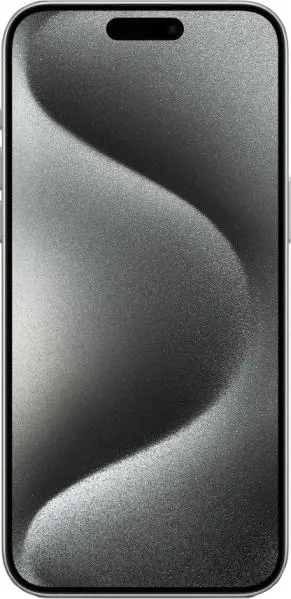
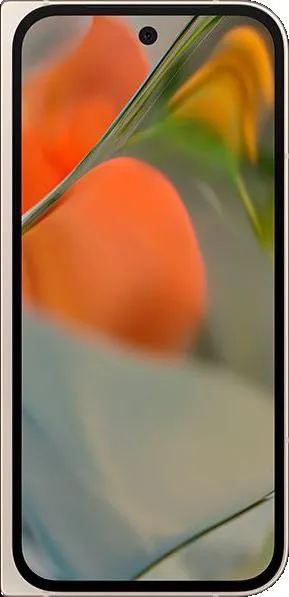
1. Specifications Comparison
| Feature | Category | Apple iPhone 15 Pro Max | Google Pixel 9 Pro Fold | Practical Impact |
|---|---|---|---|---|
| Dimensions | Design | 159.9 x 76.7 x 8.3 mm | 155.2 x 150.2 x 5.1 mm (folded) | iPhone 15 Pro Max is taller and narrower; Pixel Fold is wider when unfolded but significantly more compact when folded. Fold's thinness is impressive but may compromise rigidity. |
| Weight | Design | 221g | 257g | Pixel Fold is noticeably heavier due to the folding mechanism. |
| Foldable | Design | No | Yes | Pixel Fold offers a larger screen in a smaller form factor when folded and tablet functionality when unfolded. |
| Display Size | Display | 6.7" | 8" (unfolded), ~5.8" (folded - estimated based on other foldables) | Pixel Fold offers significantly more screen real estate when unfolded, useful for multitasking and media consumption. iPhone has a more traditional, pocketable size. |
| Display Type | Display | LTPO Super Retina XDR OLED | Foldable LTPO OLED | Both are high-quality OLED displays with dynamic refresh rates. Pixel Fold's foldable display technology introduces a crease. |
| Resolution | Display | 1290 x 2796 | 2076 x 2152 (unfolded) | Pixel Fold boasts a higher resolution, especially beneficial when unfolded, providing sharper images and text. |
| Peak Brightness | Display | 2000 nits (HBM) | 2700 nits (peak) | Pixel Fold can get significantly brighter, improving outdoor visibility. |
| Chipset | Performance | Apple A17 Pro (3 nm) | Google Tensor G4 (4 nm) | A17 Pro is likely to offer superior performance and efficiency due to its newer manufacturing process. Real-world performance comparisons are needed. |
| CPU | Performance | Hexa-core (2x3.78 GHz + 4x2.11 GHz) | Octa-core (1x3.1 GHz Cortex-X4 & 3x2.6 GHz Cortex-A720 & 4x1.92 GHz Cortex-A520) | Core count differences are less significant than architecture and optimization. A17 Pro's higher clock speed suggests stronger single-core performance. |
| GPU | Performance | Apple GPU (6-core graphics) | Mali-G715 MC7 | Apple typically excels in GPU performance. More information on Mali-G715's core count is needed for detailed comparison. |
| RAM | Performance | 8GB/16GB | 16GB | Pixel Fold having more RAM could improve multitasking performance. |
| Storage | Performance | 512GB, 1TB | 512GB | Comparable storage options at the high end. |
| Battery Capacity | Battery | 4441 mAh | 4650 mAh | Pixel Fold has a slightly larger battery, but real-world battery life depends on numerous factors, including software optimization and display usage. |
| OS | Software | iOS 17 | Android 14 | Different operating systems cater to different user preferences and ecosystems. iOS is known for its simplicity and privacy focus, while Android offers more customization options. |
| OS Max Version | Software | 18 (Estimated) | 21 (Estimated) | Pixel Fold is likely to receive longer software updates, potentially extending its usable lifespan. |
2. Key Differences Analysis
iPhone 15 Pro Max Advantages:
- Likely Superior Performance: The A17 Pro chip is expected to outperform the Tensor G4.
- Refined, Familiar Experience: iOS offers a polished and user-friendly experience with a strong focus on privacy.
- Potentially Better Camera: Apple traditionally excels in image processing, although camera specifications are not fully compared here.
- More Established App Ecosystem: iOS boasts a mature and well-curated app ecosystem.
- Lighter and More Pocketable: Easier to carry and use with one hand.
Pixel 9 Pro Fold Advantages:
- Foldable Design: Offers a larger screen for multitasking and media consumption in a more compact form factor.
- Larger Display: Provides a more immersive viewing experience.
- Higher Resolution Display: Sharper visuals for text, images, and videos.
- Brighter Display: Enhanced outdoor readability.
- More RAM: Potentially smoother multitasking and better performance with demanding applications.
- Longer Software Support: Expected to receive Android updates for a longer period.
3. User Profiles & Recommendations
iPhone 15 Pro Max: Users who prioritize performance, a refined user experience, a familiar ecosystem, and a traditional smartphone form factor. Ideal for users who value portability and one-handed usability.
Pixel 9 Pro Fold: Users who value a larger screen for productivity and media consumption, appreciate the novelty and flexibility of a foldable design, and prioritize longer software updates. Ideal for users who are comfortable with a larger, heavier device and prefer the customization options of Android.
4. Decision Framework
Key Questions for Buyers:
- Form Factor Preference: Do you prioritize a traditional smartphone experience or the versatility of a foldable device?
- Operating System Preference: Do you prefer the simplicity and privacy of iOS or the customization options of Android?
- Budget & Feature Prioritization: Which features are most important to you (performance, camera, display, battery life, software updates), and how much are you willing to spend?
Scenario-Based Recommendations:
- Power User focused on productivity: Pixel 9 Pro Fold for its larger screen and multitasking capabilities.
- User prioritizing portability and ease of use: iPhone 15 Pro Max for its lighter weight and familiar iOS experience.
- User on a tighter budget seeking value: Neither phone is budget-friendly. Consider less expensive alternatives.
My Choice: Google Pixel 9 Pro Fold
Reasoning: While the iPhone 15 Pro Max likely offers superior raw performance and a more polished software experience, the Pixel 9 Pro Fold's foldable form factor is a game-changer for me. The significantly larger display enhances productivity, media consumption, and gaming. I value the flexibility of having a tablet-sized screen in a pocketable device. The longer software support commitment from Google also provides peace of mind. I am willing to accept the trade-offs of increased weight and potential durability concerns associated with foldable technology for the unique benefits the Pixel 9 Pro Fold provides.
