1. Specifications Comparison
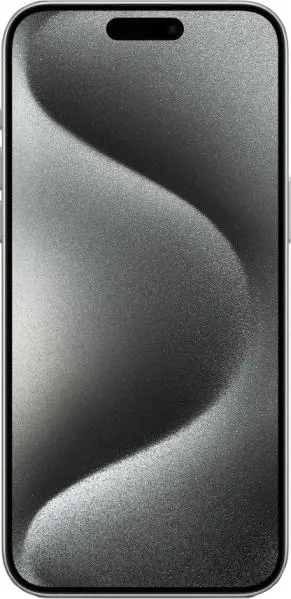
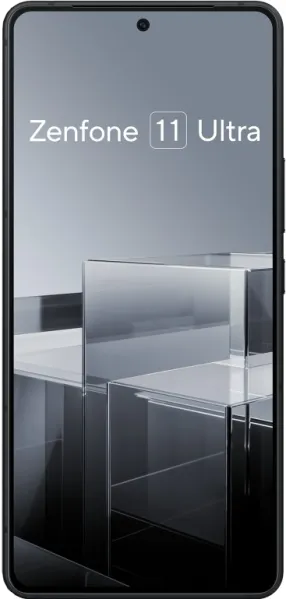
| Feature | Apple iPhone 15 Pro Max | Asus Zenfone 11 Ultra | Practical Impact |
|---|---|---|---|
| Design | |||
| Dimensions | 159.9 x 76.7 x 8.3 mm | 163.8 x 76.8 x 8.9 mm | The iPhone 15 Pro Max is slightly smaller and thinner, potentially offering better one-handed usability. |
| Weight | 221g | 224g | Negligible weight difference; both phones are relatively heavy. |
| Build Materials | Information Missing | Information Missing | Material choice impacts durability and premium feel; this information is crucial for a comprehensive comparison. |
| Display | |||
| Size | 6.7" | 6.78" | The Zenfone 11 Ultra has a slightly larger display, providing marginally more screen real estate. |
| Type | LTPO Super Retina XDR OLED | LTPO AMOLED | Both are high-quality display technologies; expect vibrant colors and deep blacks. "Super Retina XDR" is Apple's marketing term. |
| Resolution | 1290 x 2796 | 1080 x 2400 | The iPhone has a significantly sharper display (460 ppi vs 388 ppi), resulting in crisper text and images. |
| Refresh Rate | 120Hz | 144Hz | The Zenfone's higher refresh rate should deliver smoother animations and scrolling, especially noticeable in gaming. |
| Peak Brightness | 2000 nits (HBM) | 2500 nits (peak) | The Zenfone boasts higher peak brightness, ensuring better visibility in direct sunlight. |
| Performance | |||
| Chipset | Apple A17 Pro (3 nm) | Qualcomm Snapdragon 8 Gen 3 (4 nm) | Both are flagship chipsets promising top-tier performance; real-world differences likely minimal for average users. |
| CPU | Hexa-core | Octa-core | Core count doesn't directly translate to performance; both CPUs should handle demanding tasks with ease. |
| GPU | Apple GPU (6-core) | Adreno 750 | Gaming performance should be excellent on both devices, though benchmarks are needed for precise comparison. |
| RAM | 8GB | 16GB | The Zenfone's larger RAM could provide better multitasking performance and keep more apps open in the background. |
| Storage | 512GB/1TB | 512GB | iPhone offers a 1TB storage option, catering to users with extensive storage needs. |
| Battery | |||
| Capacity | 4441 mAh | 5500 mAh | The Zenfone's significantly larger battery likely translates to longer battery life. |
| Camera | |||
| Rear Camera | Information Missing | Information Missing | Detailed camera specifications (sensor size, aperture, lens type) are crucial for meaningful comparison. |
| Video | Up to 4K@60fps, 1080p@240fps | Up to 8K@24fps, 720p@480fps | Both offer extensive video recording capabilities; Zenfone supports higher resolution (8K) while iPhone boasts higher slow-motion frame rates (240fps at 1080p). |
| Software | |||
| OS | iOS 17 | Android 14 | OS preference is subjective; iOS is known for simplicity and tight hardware-software integration, while Android offers more customization options. |
| Other | |||
| Price Range | High | Medium | The Zenfone offers potentially better value due to its lower price point and competitive specifications. |
2. Key Differences Analysis
iPhone 15 Pro Max Advantages:
- Sharper Display: Higher pixel density results in crisper visuals.
- Potentially Smoother OS Experience: iOS's optimization for Apple hardware often results in a fluid user experience.
- More Storage Options: Availability of a 1TB model caters to users with high storage demands.
Zenfone 11 Ultra Advantages:
- Larger Battery: Likely translates to significantly longer battery life.
- Higher Refresh Rate Display: Smoother scrolling and animations.
- Higher Peak Brightness: Improved outdoor visibility.
- Lower Price: Offers strong performance and features for a more accessible price.
- More RAM: Enhanced multitasking capabilities.
Trade-offs:
- iPhone: Higher price for premium build, potentially smoother OS experience, and sharper display.
- Zenfone: Lower price but potential compromises on software polish and long-term support compared to Apple.
3. User Profiles & Recommendations
iPhone 15 Pro Max: Users prioritizing a premium, seamless user experience, a sharp display, and who value the Apple ecosystem. Ideal for demanding tasks like photo/video editing and who are willing to pay a premium.
Zenfone 11 Ultra: Users seeking maximum value for their money, prioritizing long battery life, a smooth high refresh rate display, and who prefer the flexibility of Android. Suitable for power users, gamers, and those who consume a lot of media.
4. Decision Framework
Key Questions:
- What is your budget? The iPhone commands a significantly higher price.
- What operating system do you prefer? iOS and Android offer distinct experiences.
- What are your priorities? (e.g., battery life, display quality, camera performance, app ecosystem).
Scenario-Based Recommendations:
- Heavy User, Tight Budget: Zenfone 11 Ultra
- Prioritizes Seamless Experience and Display Sharpness: iPhone 15 Pro Max
- Gamer Focused on Smoothness and Battery: Zenfone 11 Ultra
- Photographer/Videographer: Insufficient camera information to recommend.
My Choice: Asus Zenfone 11 Ultra
While lacking specific camera details and build material information makes a truly informed decision challenging, I would choose the Asus Zenfone 11 Ultra based on the available data. The significantly larger battery, higher refresh rate display, greater RAM, and lower price point are compelling advantages. For my usage, which prioritizes long battery life, smooth performance, and value, the Zenfone appears to be the better option. I am willing to accept potential trade-offs in long-term software support and possible nuances in build quality for the substantial cost savings and hardware advantages. The lack of a 1TB option is not a concern for me personally. However, if camera quality is a top priority, a thorough comparison of camera specs is necessary before making a final decision.
