1. Specifications Comparison
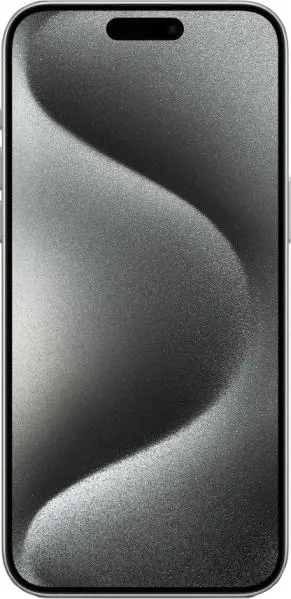
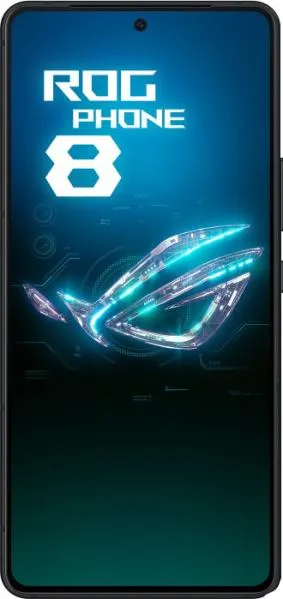
| Feature | Apple iPhone 15 Pro Max | Asus ROG Phone 8 | Practical Impact |
|---|---|---|---|
| Design | |||
| Dimensions | 159.9 x 76.7 x 8.3 mm | 163.8 x 76.8 x 8.9 mm | ROG Phone 8 is slightly larger and thicker. |
| Weight | 221g | 225g | Negligible weight difference in practical use. |
| Build Materials | Not specified | Not specified | Build quality and durability cannot be compared without more information. |
| Display | |||
| Size | 6.7" | 6.78" | ROG Phone 8 has a marginally larger screen. |
| Type | LTPO Super Retina XDR OLED | LTPO AMOLED | Both offer high-quality displays with excellent color accuracy and power efficiency. |
| Resolution | 1290 x 2796 | 1080 x 2400 | iPhone has a sharper display due to higher pixel density (460 ppi vs 388 ppi), resulting in crisper text and images. |
| Refresh Rate | 120Hz | 165Hz | ROG Phone 8 offers a smoother visual experience, particularly noticeable in fast-paced gaming and scrolling. |
| Peak Brightness | 2000 nits (HBM) | 2500 nits (peak) | ROG Phone 8 boasts higher peak brightness, ensuring better visibility in direct sunlight. |
| Performance | |||
| Chipset | Apple A17 Pro (3 nm) | Qualcomm Snapdragon 8 Gen 3 (4 nm) | Both are flagship chipsets offering top-tier performance. Cross-platform comparisons are difficult without benchmark data. |
| CPU | Hexa-core | Octa-core | Core count doesn't directly translate to performance; architecture and optimization are crucial. |
| GPU | Apple GPU (6-core) | Adreno 750 | Gaming performance cannot be definitively compared without benchmark data. |
| RAM | 8GB | 16GB | ROG Phone 8 has significantly more RAM, allowing for better multitasking and smoother performance with demanding applications. |
| Storage | 512GB/1TB | 256GB | iPhone offers larger storage options. |
| Battery | |||
| Capacity | 4441 mAh | 5500 mAh | ROG Phone 8 has a significantly larger battery, likely resulting in longer battery life. |
| Camera | |||
| Video Capabilities | Up to 4K@60fps (HDR), 1080p@240fps (HDR) | Up to 8K@24fps (HDR, EIS), 720p@480fps (HDR, EIS) | Both offer extensive video recording options. ROG Phone 8 supports higher resolution (8K) but at a lower frame rate. Detailed camera sensor specifications are needed for a comprehensive comparison. |
| Software | |||
| OS | iOS 17 | Android 14 | Different operating systems cater to different user preferences and ecosystems. |
2. Key Differences Analysis
iPhone 15 Pro Max Advantages:
- Sharper Display: Higher pixel density provides a crisper visual experience.
- Larger Storage Options: Offers more storage for users with large media libraries.
- Potentially Better Optimized Software: Apple's tight integration of hardware and software often leads to optimized performance.
ROG Phone 8 Advantages:
- Higher Refresh Rate Display: Smoother visuals for gaming and general use.
- Brighter Display: Enhanced outdoor visibility.
- Larger Battery: Potentially significantly longer battery life.
- More RAM: Improved multitasking and handling of demanding applications.
- Lower Price: Offers flagship-level specs at a lower price point.
3. User Profiles & Recommendations
iPhone 15 Pro Max: Users prioritizing a premium, polished experience with a sharp display, seamless ecosystem integration, and who value storage space. Best for:
- General Users: Everyday tasks, media consumption, photography.
- Content Creators: High-quality video recording and editing.
ROG Phone 8: Users prioritizing performance, especially for gaming, a smooth display, and long battery life, all at a more competitive price. Best for:
- Mobile Gamers: Demanding games, high refresh rate benefits.
- Power Users: Heavy multitasking, extended battery life needs.
4. Decision Framework
Key Questions:
- What is your budget? The ROG Phone 8 offers compelling value for its price.
- What are your primary use cases? Gaming and heavy multitasking favor the ROG Phone 8, while general use and content creation might favor the iPhone.
- Which operating system do you prefer? iOS and Android offer distinct experiences and ecosystems.
My Choice: Asus ROG Phone 8
While the iPhone 15 Pro Max offers a polished experience and sharper display, the ROG Phone 8's combination of a high refresh rate display, larger battery, more RAM, and lower price makes it the more compelling choice for me. I value smooth performance, long battery life, and a good value proposition. The 16GB RAM is a significant advantage for future-proofing and heavy multitasking. The higher refresh rate screen is a noticeable improvement in daily use. While I acknowledge the iPhone's strengths in display sharpness and ecosystem, the ROG Phone 8 better aligns with my personal priorities and usage patterns. The price difference is substantial enough to be a deciding factor given the ROG Phone 8's competitive specifications.
