1. Specifications Comparison
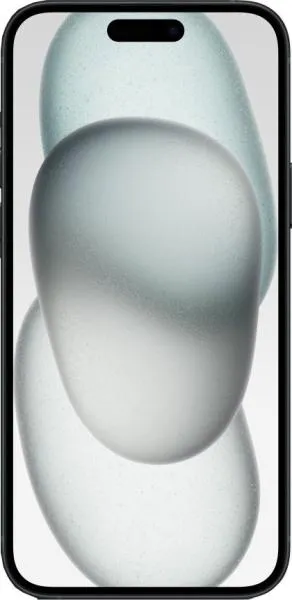
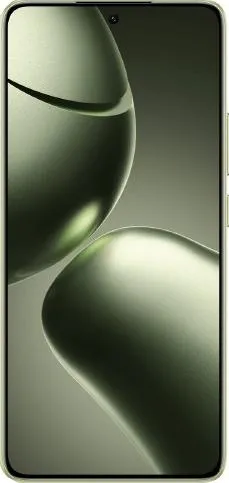
| Feature | Apple iPhone 15 Plus | Xiaomi 14T | Practical Impact |
|---|---|---|---|
| Design | |||
| Dimensions | 160.9 x 77.8 x 7.8 mm | 160.5 x 75.1 x 7.8 mm | Virtually identical in size and thickness. |
| Weight | 201g | 193g | iPhone 15 Plus is slightly heavier. The difference is negligible in practical use. |
| Build Materials | Not specified | Not specified | Cannot compare build quality and durability without material information. |
| Display | |||
| Display Size | 6.7" | 6.67" | Negligible difference in screen real estate. |
| Display Type | Super Retina XDR OLED | AMOLED | Both offer excellent color accuracy and deep blacks. |
| Resolution | 1290 x 2796 | 1220 x 2712 | Similar pixel density, resulting in sharp visuals on both. iPhone has slightly higher resolution. |
| Refresh Rate | Not specified | 144Hz | Higher refresh rate on the Xiaomi 14T results in smoother scrolling and animations, beneficial for gaming and general UI responsiveness. Lack of information on the iPhone's refresh rate hinders comparison. |
| Peak Brightness | 2000 nits | 4000 nits | Xiaomi 14T offers significantly higher peak brightness, improving outdoor visibility. |
| Performance | |||
| Chipset | Apple A16 Bionic (4 nm) | Mediatek Dimensity 8300 Ultra (4 nm) | Both are powerful chips built on a 4nm process, expecting comparable performance in day-to-day tasks. Direct performance comparison requires benchmark data. |
| CPU | Hexa-core | Octa-core | Core count doesn't directly translate to performance; architectural differences and clock speeds play a significant role. Requires benchmark data for accurate comparison. |
| GPU | Apple GPU (5-core graphics) | Mali G615-MC6 | Apple's GPUs generally offer strong performance. Requires benchmark data for gaming and graphics-intensive task comparison. |
| RAM | 6GB | 12GB | Xiaomi 14T offers double the RAM, potentially leading to better multitasking and app retention. |
| Storage | 256GB/512GB | 512GB | Comparable storage options at the high end. |
| Battery | |||
| Capacity | 4383 mAh | 5000 mAh | Xiaomi 14T has a larger battery capacity, likely resulting in longer battery life. Real-world usage varies. |
| Other | |||
| OS | iOS 17 | Android 14 | Different operating systems cater to different user preferences and ecosystems. |
| Sensors | Face ID, accelerometer, gyro, proximity, compass, barometer | accelerometer, gyro, proximity, compass, Fingerprint (under display) | Both offer standard sensors. iPhone features Face ID, while Xiaomi has an under-display fingerprint sensor for biometric authentication. User preference dictates the better option. |
2. Key Differences Analysis
Xiaomi 14T Advantages:
- Higher Refresh Rate: Smoother user experience, especially noticeable in gaming and scrolling.
- Brighter Display: Superior outdoor visibility.
- Larger Battery: Potentially longer battery life.
- More RAM: Improved multitasking and app retention.
- Under-display Fingerprint Sensor: Alternative biometric authentication option for users who prefer it over facial recognition.
iPhone 15 Plus Advantages:
- A16 Bionic Chip: Historically, Apple's Bionic chips offer leading performance, especially in GPU tasks. Real-world comparison needed with Dimensity 8300 Ultra.
- iOS Ecosystem: Tight integration with other Apple devices and services.
- Face ID: Biometric authentication preferred by some users.
3. User Profiles & Recommendations
iPhone 15 Plus: Users invested in the Apple ecosystem, prioritizing performance and potentially a smoother software experience due to iOS optimization.
Xiaomi 14T: Users prioritizing a high refresh rate display, long battery life, ample RAM for multitasking, and potentially a more customizable Android experience. Price-conscious users might find the Xiaomi more appealing assuming a lower price point for comparable storage.
4. Decision Framework
Key Questions for Buyers:
- Operating System Preference: iOS or Android?
- Display Priority: Smoothness (high refresh rate) vs. Brightness?
- Ecosystem Importance: Integration with other Apple devices?
My Choice: Xiaomi 14T
While the A16 Bionic in the iPhone 15 Plus might offer slightly better performance in some areas, the Xiaomi 14T's combination of 144Hz refresh rate, brighter display, larger battery, and more RAM makes it a more compelling overall package for me. The smoother user experience offered by the high refresh rate, combined with improved outdoor visibility and longer battery life, outweighs the potential performance advantages of the iPhone in my daily usage. I also appreciate the flexibility of Android. The lack of specific refresh rate information for the iPhone 15 Plus further solidifies my choice. Finally, assuming a similar price point for the "medium price range", the Xiaomi 14T appears to offer better value.
