1. Specifications Comparison
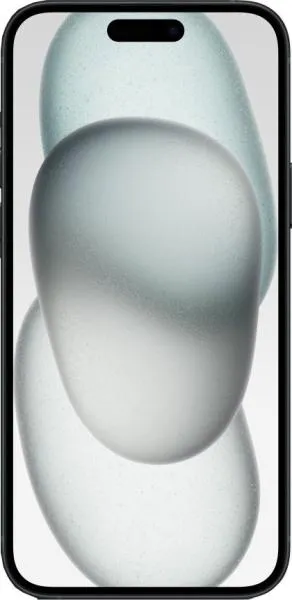
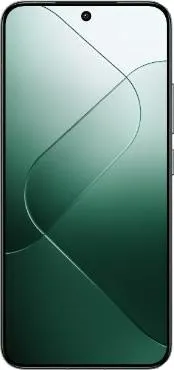
| Feature | Apple iPhone 15 Plus | Xiaomi 14 | Practical Impact |
|---|---|---|---|
| Design | |||
| Dimensions | 160.9 x 77.8 x 7.8 mm | 152.8 x 71.5 x 8.2 mm | Xiaomi 14 is noticeably smaller and slightly thicker. More pocketable, but potentially less comfortable for one-handed use due to narrower width. |
| Weight | 201g | 188g | Xiaomi 14 is lighter, reducing hand fatigue during extended use. |
| Build | Not specified | Not specified | Build materials impact durability and premium feel. Lack of information limits comparison. |
| Display | |||
| Size | 6.7" | 6.36" | iPhone 15 Plus offers a larger screen for media consumption and multitasking. |
| Type | Super Retina XDR OLED | LTPO OLED | Both are high-quality OLED panels with excellent color accuracy and contrast. |
| Resolution | 1290 x 2796 | 1200 x 2670 | Similar pixel density (~460 ppi) results in sharp visuals on both. iPhone has slightly higher resolution due to larger size. |
| Refresh Rate | Not specified (Likely 60Hz) | 120Hz | 120Hz on Xiaomi 14 provides smoother scrolling and animations, enhancing perceived performance and responsiveness. |
| Peak Brightness | 2000 nits | 3000 nits | Xiaomi 14's higher peak brightness ensures better visibility in direct sunlight. |
| Performance | |||
| Chipset | Apple A16 Bionic (4 nm) | Snapdragon 8 Gen 3 (4 nm) | Both are flagship chipsets offering top-tier performance. Real-world differences likely minimal for average users. Benchmarking needed for detailed comparison. |
| CPU | Hexa-core | Octa-core | Core count difference doesn't directly translate to performance. Architecture and optimization are key. |
| GPU | Apple GPU (5-core) | Adreno 750 | Gaming performance likely comparable. Specific game benchmarks required for accurate assessment. |
| RAM | 6GB | 12GB | Xiaomi 14's larger RAM allows for more apps to run in the background without reloading, improving multitasking. |
| Battery | |||
| Capacity | 4383 mAh | 4610 mAh | Xiaomi 14 has a slightly larger battery. Actual battery life depends on optimization and usage patterns. |
| Other | |||
| OS | iOS 17 | Android 14 | Different operating systems cater to different user preferences and ecosystems. |
| Storage | 256/512GB | 256/512GB | Comparable storage options. |
| Charging Speed | Not specified | Not specified | Charging speed significantly impacts usability. Lack of information limits comparison. |
2. Key Differences Analysis
iPhone 15 Plus Advantages:
- Larger Display: Better for media consumption.
- Potentially longer software support: Apple's track record suggests longer OS updates.
Xiaomi 14 Advantages:
- Higher Refresh Rate: Smoother UI and animations.
- Higher Peak Brightness: Improved outdoor visibility.
- Larger RAM: Enhanced multitasking capabilities.
- Slightly Larger Battery: Potential for longer battery life.
3. User Profiles & Recommendations
iPhone 15 Plus: Users prioritizing a large display, seamless Apple ecosystem integration, and long-term software updates.
Xiaomi 14: Users who value a smooth and responsive display, powerful performance with ample RAM for multitasking, and potentially longer battery life. Android enthusiasts.
4. Decision Framework
Key Questions:
- Operating System Preference: iOS or Android?
- Display Size Priority: Larger screen or more compact form factor?
- Budget & Feature Importance: Which features justify the price difference (if any)?
My Choice: Xiaomi 14
While the iPhone 15 Plus boasts a larger display and Apple's renowned ecosystem, the Xiaomi 14 offers a more compelling overall package for me. The 120Hz refresh rate significantly enhances the user experience with smoother interactions. The brighter display ensures better visibility outdoors, a crucial factor for everyday use. The larger RAM is vital for seamless multitasking, which is how I primarily use my phone. While I acknowledge Apple's strength in long-term software support, the Xiaomi 14's features provide tangible daily benefits that outweigh this advantage for my personal needs. Finally, the slightly smaller form factor of the Xiaomi 14 is more appealing to me.
