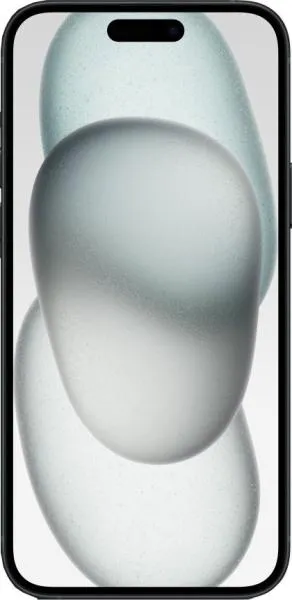
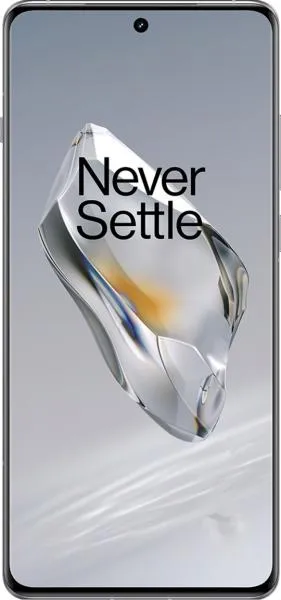
1. Specifications Comparison
| Feature | Apple iPhone 15 Plus | OnePlus 12 | Practical Impact |
|---|---|---|---|
| Design | |||
| Dimensions | 160.9 x 77.8 x 7.8 mm | 164.3 x 75.8 x 9.2 mm | The iPhone 15 Plus is slightly shorter, narrower, and significantly thinner than the OnePlus 12. This translates to a more pocketable and potentially more comfortable one-handed use experience with the iPhone. |
| Weight | 201g | 220g | The iPhone 15 Plus is noticeably lighter, reducing hand fatigue during extended use. |
| Build Materials | Not specified | Not specified | Material choice impacts durability and premium feel. This information is missing for a complete comparison. |
| Display | |||
| Display Size | 6.7" | 6.82" | The OnePlus 12 offers a marginally larger display, providing slightly more screen real estate for media consumption and multitasking. |
| Display Type | Super Retina XDR OLED | LTPO AMOLED | Both are high-quality display technologies. LTPO on the OnePlus 12 allows for dynamic refresh rate adjustment, potentially saving battery life. |
| Resolution | 1290 x 2796 | 1440 x 3168 | The OnePlus 12 has a higher resolution, resulting in sharper text and images. |
| Refresh Rate | Not specified | 120Hz | The 120Hz refresh rate on the OnePlus 12 delivers smoother scrolling and animations compared to a standard 60Hz likely on the iPhone (though not specified). This results in a more fluid and responsive user experience. |
| Peak Brightness | 2000 nits | 4500 nits | The OnePlus 12 boasts significantly higher peak brightness, ensuring better visibility in direct sunlight. |
| Performance | |||
| Chipset | Apple A16 Bionic (4 nm) | Qualcomm Snapdragon 8 Gen 3 (4 nm) | Both are flagship chipsets from 2023, promising top-tier performance. Real-world differences might be subtle and application-specific. Benchmarking is needed for a definitive comparison. |
| CPU | Hexa-core | Octa-core | Core count alone doesn't determine performance. Architectural differences and optimization play a significant role. |
| GPU | Apple GPU (5-core graphics) | Adreno 750 | Both GPUs should handle demanding games and graphics-intensive tasks. Detailed gaming benchmarks are needed for accurate comparison. |
| RAM | 6GB | 16GB | The OnePlus 12 offers significantly more RAM. This enables better multitasking and allows more apps to remain active in the background without reloading. |
| Storage | 256GB/512GB | 512GB | While both offer ample storage, the iPhone offers a 256GB option for potentially lower cost. |
| Battery | |||
| Capacity | 4383 mAh | 5400 mAh | The OnePlus 12 has a larger battery capacity, potentially offering longer usage time on a single charge. Real-world battery life depends on various factors, including software optimization and usage patterns. |
| Camera | |||
| Video Capabilities | Up to 4K@60fps, 1080p@240fps | Up to 8K@24fps, 1080p@480fps | Both offer a wide range of video recording options. The OnePlus 12 supports higher resolution (8K) and higher frame rate slow-motion (480fps). The practical benefit of 8K recording depends on the user's display and editing capabilities. |
2. Key Differences Analysis
iPhone 15 Plus Advantages:
- Ergonomics: Smaller, thinner, and lighter, making it more comfortable for one-handed use and pocket portability.
- Potentially Longer Software Support: Apple's history suggests longer OS updates compared to Android manufacturers.
OnePlus 12 Advantages:
- Higher Resolution and Refresh Rate Display: Smoother, sharper, and more vibrant visual experience.
- Larger Battery and Faster Charging: Longer usage time and quicker recharge. More RAM for better multitasking.
- Higher Resolution and Frame Rate Video Recording: More detailed and smoother video capture.
3. User Profiles & Recommendations
iPhone 15 Plus: Users prioritizing a compact, lightweight phone with a smooth user experience and long-term software support. Ideal for one-handed use, portability, and general everyday tasks.
OnePlus 12: Users prioritizing performance, a larger and more immersive display, extended battery life, and advanced camera features. Ideal for power users, gamers, multimedia enthusiasts, and content creators.
4. Decision Framework
Key Questions for Buyers:
- What size and form factor do you prefer? Prioritize portability and one-handed usability? Or a larger display for media consumption?
- How important is battery life and charging speed? Heavy user requiring long battery life? Or moderate user with access to charging throughout the day?
- What is your budget and what features are most important to you? Prioritize a premium display and performance? Or a balance of features and affordability?
My Choice: OnePlus 12
While the iPhone 15 Plus excels in ergonomics and likely offers longer software support, the OnePlus 12's superior display, larger battery, significantly greater RAM, and more advanced camera features make it the more compelling device for me. I value a fluid and immersive visual experience, extended battery life for heavy usage, and the capability to capture high-quality videos. The marginal size and weight difference wouldn't be a significant deterrent for me given the substantial gains in other areas. The 120Hz refresh rate is a significant factor in daily use smoothness, and while not specifically listed for the iPhone 15 Plus, it's highly likely to be the standard 60Hz given the previous generation. This difference alone greatly impacts the feel of the phone.
