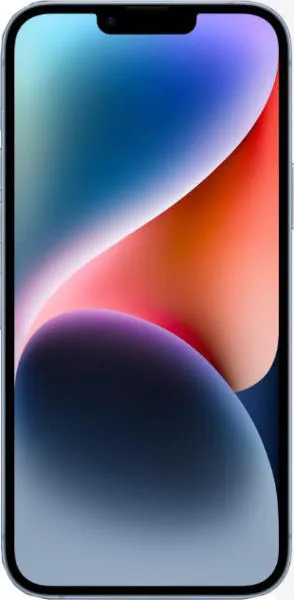
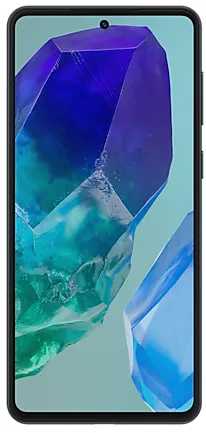
iPhone 14 Plus vs. Samsung Galaxy M55: A Detailed Comparison
Let's dive into a head-to-head comparison of the Apple iPhone 14 Plus and the Samsung Galaxy M55, dissecting their specs and uncovering what they truly offer in real-world usage.
1. Specifications Breakdown
| Feature | Apple iPhone 14 Plus | Samsung Galaxy M55 | Real-World Implications |
|---|---|---|---|
| Design | |||
| Dimensions (mm) | 160.8 x 78.1 x 7.8 | 163.9 x 76.5 x 7.8 | iPhone 14 Plus is slightly shorter and narrower, potentially offering a more comfortable one-handed grip. |
| Weight (g) | 203 | 180 | Galaxy M55 is noticeably lighter, reducing hand fatigue during extended use. |
| Build Materials | Aluminum, Glass | Plastic, Glass | iPhone boasts a more premium feel with its aluminum frame. M55 might be more durable due to plastic back |
| Display | |||
| Size (inches) | 6.7 | 6.7 | Both offer a large, immersive display. |
| Resolution | 1284 x 2778 | 1080 x 2400 | iPhone has a sharper display with higher pixel density, resulting in crisper text and images. |
| Panel Type | Super Retina XDR OLED | Super AMOLED+ | Both offer vibrant colors and deep blacks; OLED generally provides better contrast and power efficiency. |
| Refresh Rate | 60Hz | 120Hz | Galaxy M55's 120Hz offers smoother scrolling and animations, enhancing the visual experience. |
| Performance | |||
| Chipset | A15 Bionic | Snapdragon 7 Gen 1 | A15 is known for its exceptional performance and efficiency. Snapdragon 7 Gen 1 is a capable mid-range chip. |
| CPU | Hexa-core | Octa-core | Core count difference doesn't directly translate to real-world performance; A15 likely outperforms. |
| RAM | 6GB | 8GB | More RAM in the M55 could aid in multitasking and app switching. |
| Camera | |||
| Main Camera | 12MP | 50MP | M55 has a higher megapixel count, potentially capturing more detail. Image quality depends on many factors. |
| Ultrawide | 12MP | 8MP | iPhone's ultrawide likely offers better low-light performance due to larger pixel size. |
| Selfie Camera | 12MP | 13MP | marginal difference, actual quality would be determined by testing. |
| Battery Life | |||
| Capacity (mAh) | 4323 | 5000 | M55 boasts a larger battery capacity, potentially leading to longer usage time. |
2. Key Insights
- Performance: The iPhone 14 Plus, with its A15 Bionic chip, likely holds a significant performance advantage, especially in demanding tasks and gaming. The Snapdragon 7 Gen 1 in the M55 is a solid mid-range performer but not in the same league.
- Display: While both phones offer large displays, the iPhone's higher resolution results in a noticeably sharper image. However, the M55's 120Hz refresh rate provides a smoother, more fluid user experience. This is a classic trade-off between sharpness and smoothness.
- Camera: Megapixel count isn't everything. While the M55 boasts a 50MP main sensor, the iPhone 14 Plus is known for its excellent computational photography capabilities, often producing superior image quality in various conditions. Real-world testing would be needed to definitively compare camera performance.
- Battery Life: The Galaxy M55's larger 5000mAh battery likely provides longer usage time compared to the iPhone 14 Plus's 4323mAh battery. However, iOS's optimization could narrow the gap in real-world usage.
3. User Profiles and Recommendations
- iPhone 14 Plus: Ideal for users who prioritize performance, a premium feel, a vibrant and sharp display, and a seamless ecosystem experience. Great for demanding tasks, gaming, content creation, and those heavily invested in the Apple ecosystem.
- Samsung Galaxy M55: Best suited for users who value a smooth display, long battery life, and a more affordable price point. Excellent for social media consumption, web browsing, casual gaming, and users who prefer Android's flexibility.
4. Buying Decision Framework
- What is your budget? The iPhone 14 Plus is positioned in a higher price bracket. If budget is a major constraint, the M55 offers excellent value.
- What is your priority: Performance or Battery Life? If raw power and a smooth, premium experience are paramount, choose the iPhone. If all-day battery life is crucial, the M55 is likely the better option.
- Which operating system do you prefer? This often comes down to personal preference and existing ecosystem investments.
My Choice: As a tech journalist who values performance and a refined user experience, I would choose the iPhone 14 Plus. While the M55 offers compelling features like a 120Hz display and larger battery, the A15 Bionic's significant performance advantage, coupled with iOS's optimization and the overall premium feel of the iPhone, aligns better with my needs and priorities. I'm willing to pay a premium for the significant performance gap and smoother operating system. The higher resolution display on the iPhone 14 Plus is also a major deciding factor for me, as someone who values crisp visuals for both productivity and entertainment.
