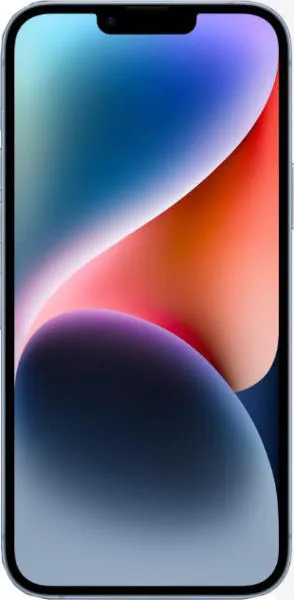
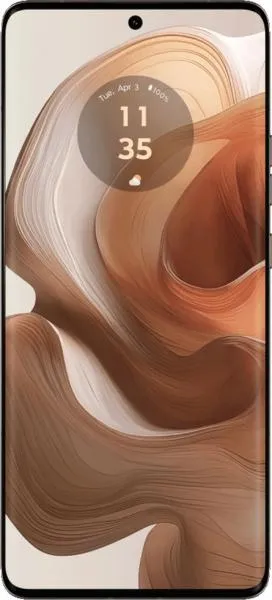
iPhone 14 Plus vs. Motorola Edge 50 Ultra: A Deep Dive
Let's dissect the Apple iPhone 14 Plus and the Motorola Edge 50 Ultra, going beyond the spec sheet to uncover what these phones really offer in terms of daily use.
1. Specifications Breakdown
| Feature | Apple iPhone 14 Plus | Motorola Edge 50 Ultra | Real-World Implications |
|---|---|---|---|
| Design | |||
| Dimensions (mm) | 160.8 x 78.1 x 7.8 | 161.1 x 72.4 x 8.6 | Edge 50 Ultra slightly taller and thicker, iPhone slightly wider |
| Weight (g) | 203 | 197 | Negligible difference in hand feel |
| Build Materials | Aluminum & Glass | Glass & Aluminum | Both premium, durability depends on individual use case |
| Display | |||
| Type | Super Retina XDR OLED | p-OLED | Both offer vibrant colors and deep blacks |
| Size | 6.7" | 6.7" | Identical screen real estate |
| Resolution | 1284 x 2778 | 1220 x 2712 | iPhone slightly sharper, but difference barely noticeable |
| Refresh Rate | 60Hz | 144Hz | Edge's significantly smoother scrolling and animations |
| Peak Brightness | 1200 nits | 2500 nits | Edge far brighter for outdoor visibility |
| Performance | |||
| Chipset | A15 Bionic | Snapdragon 8s Gen 3 | Both powerful, but benchmarks favor Snapdragon |
| RAM | 6GB | 12/16GB | Edge's larger RAM benefits multitasking and future-proofing |
| OS | iOS 16 | Android 14 | Preference-based, impacts app ecosystem and customization |
| Camera | |||
| Main Sensor | 12MP | 50MP | Edge boasts higher resolution, potentially more detail |
| Ultrawide | 12MP | 50MP | Edge's higher resolution ultrawide, a significant advantage |
| Telephoto | N/A | 64MP (3x optical) | Clear advantage for Edge in optical zoom capability |
| Video | Up to 4K@60fps | Up to 4K@60fps | Comparable video capabilities, quality depends on processing |
| Battery Life | |||
| Capacity | 4323 mAh | 4500 mAh | Edge has slightly larger battery capacity |
| Charging | Proprietary Fast | Fast Charging | Charging speeds need further investigation (specific wattage) |
2. Key Insights
- Display: The Edge 50 Ultra's 144Hz refresh rate and dramatically higher peak brightness are major wins for smoothness and outdoor readability. While the iPhone 14 Plus's display is excellent, it falls short in these areas.
- Performance: While the A15 Bionic remains a powerhouse, the Snapdragon 8s Gen 3 in the Edge likely edges out in raw performance, especially for demanding tasks. The significantly larger RAM in the Edge is a clear advantage for heavy multitaskers and ensures smoother performance over time.
- Camera: The Motorola pulls ahead with a versatile triple-camera system, including a high-resolution telephoto lens for optical zoom. Its larger sensors on the main and ultrawide cameras potentially capture more detail. The iPhone, while capable, lacks a dedicated telephoto lens.
- Software: iOS and Android cater to different preferences. iOS is renowned for its simplicity and tight integration, while Android allows for deeper customization.
- Battery: The Edge's larger battery suggests longer endurance, but real-world usage will vary. Further investigation into charging speeds is needed.
3. User Profiles and Recommendations
- iPhone 14 Plus: Ideal for users deeply entrenched in the Apple ecosystem who prioritize ease of use, a seamless software experience, and excellent, albeit less versatile, camera performance.
- Motorola Edge 50 Ultra: Best suited for users who demand cutting-edge hardware, a smoother display experience, greater camera versatility with optical zoom, and the flexibility of Android. Power users and mobile gamers would appreciate the extra RAM and potentially stronger processor.
4. Buying Decision Framework
- What operating system do you prefer? This is a fundamental choice impacting app compatibility and user experience.
- Is display smoothness and brightness a priority? The Edge's 144Hz refresh rate and higher peak brightness are significant advantages.
- Do you need a telephoto lens for optical zoom? The Edge offers this feature, while the iPhone 14 Plus relies on digital zoom.
My Choice: Motorola Edge 50 Ultra
For me, the Motorola Edge 50 Ultra emerges as the more compelling device. While I appreciate the polished iOS experience, the Edge's superior display with its high refresh rate and incredible brightness, coupled with the more versatile camera system featuring a telephoto lens and larger sensors, are decisive factors. The significant RAM advantage and the potentially faster processor future-proof the device. The slightly larger battery is a bonus. While the iPhone 14 Plus is a great phone, the Edge 50 Ultra pushes the boundaries of hardware and offers a more compelling overall package for my needs. The USB Type-C 3.1 Gen2 with DisplayPort 1.4 support is also a huge advantage for connectivity and productivity.
