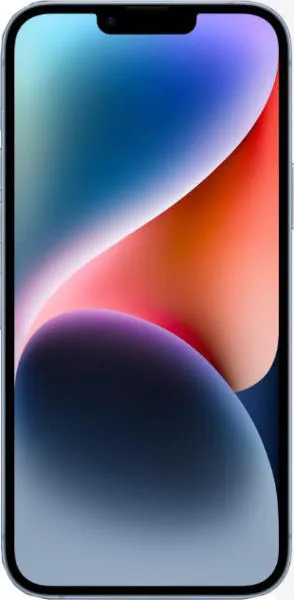
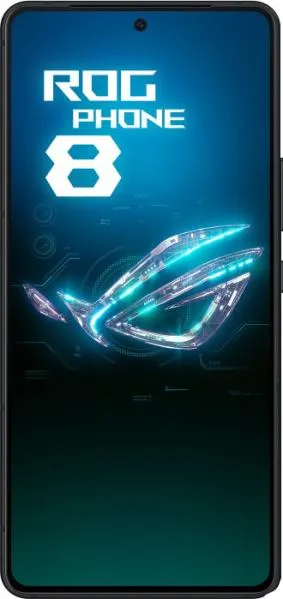
iPhone 14 Plus vs. Asus ROG Phone 8: A Deep Dive
Let's dissect the Apple iPhone 14 Plus and the Asus ROG Phone 8, two seemingly different phones vying for your attention. I'm Alex Griffin, and I'll guide you through the technical labyrinth, translating specs into real-world experiences.
1. Specifications Breakdown
| Feature | Apple iPhone 14 Plus | Asus ROG Phone 8 | Real-World Implications |
|---|---|---|---|
| Design | |||
| Dimensions (mm) | 160.8 x 78.1 x 7.8 | 163.8 x 76.8 x 8.9 | ROG Phone 8 is slightly larger and noticeably thicker, likely due to its enhanced cooling system. |
| Weight (g) | 203 | 225 | iPhone 14 Plus is lighter for everyday carry. ROG Phone 8's weight suggests a more robust build and potentially larger battery. |
| Display | |||
| Size (inches) | 6.7 | 6.78 | Negligible difference in screen real estate. |
| Resolution (px) | 1284 x 2778 | 1080 x 2400 | iPhone boasts a sharper display with higher pixel density (458 ppi vs. 388 ppi), resulting in crisper text and images. |
| Type | Super Retina XDR OLED | LTPO AMOLED | Both offer vibrant colors and deep blacks. ROG Phone 8's LTPO panel allows for a dynamic refresh rate up to 165Hz, potentially saving battery. |
| Refresh Rate (Hz) | 60 | Up to 165 | ROG Phone 8's higher refresh rate translates to smoother animations and a more responsive gaming experience. iPhone's 60Hz is standard but sufficient. |
| Performance | |||
| Chipset | A15 Bionic (5 nm) | Snapdragon 8 Gen 3 | ROG Phone 8 utilizes the latest flagship Android processor, likely outperforming the A15 in benchmarks. Real-world difference might be less noticeable. |
| RAM (GB) | 6 | 16 | ROG Phone 8's significantly larger RAM allows for seamless multitasking and heavy gaming. |
| Camera | |||
| Main Camera (MP) | 12 | 50 | ROG Phone 8 has a higher resolution main sensor, potentially capturing more detail. Image quality depends on processing, not just megapixels. |
| Video Recording | Up to 4K@60fps | Up to 8K@24fps | ROG Phone 8 can record at a higher resolution, but 4K@60fps on the iPhone is likely more practical for everyday use. |
| Battery Life | |||
| Capacity (mAh) | 4323 | 5500 | ROG Phone 8's larger battery capacity suggests significantly longer usage time. Real-world battery life depends on optimization and usage patterns. |
2. Key Insights
The iPhone 14 Plus prioritizes a refined user experience with its optimized iOS ecosystem, a brilliant display, and strong performance. Its camera system, while not boasting the highest megapixel count, consistently delivers excellent image quality.
The ROG Phone 8, on the other hand, is a gaming powerhouse. Its cutting-edge processor, massive RAM, high refresh rate display, and large battery are designed for demanding tasks and extended gaming sessions. The advanced cooling system ensures sustained performance even under heavy load.
3. User Profiles and Recommendations
iPhone 14 Plus: Ideal for users seeking a seamless, intuitive smartphone experience. Excellent for everyday tasks, photography, video consumption, and moderate gaming. Its strengths lie in its simplicity, reliability, and long-term software support.
ROG Phone 8: Perfect for hardcore mobile gamers, power users, and tech enthusiasts. Those who prioritize raw performance, customization options, and the latest hardware will appreciate the ROG Phone 8's capabilities. It's also a strong contender for content creators who demand top-tier video recording capabilities.
4. Buying Decision Framework
- What is your primary use case? Everyday tasks vs. intensive gaming and content creation.
- How important is software and ecosystem integration? iOS vs. Android.
- What is your budget? While both are mid-range, actual pricing may vary.
My Choice
If I were choosing between these two, I'd opt for the iPhone 14 Plus. While the ROG Phone 8 boasts impressive specs, my daily workflow centers around communication, content consumption, and occasional photography. The iPhone's seamless integration with other Apple devices, its user-friendly interface, and its consistent performance are more valuable to me than raw processing power. The sharper display and lighter weight are bonuses in my book. The ROG Phone 8 is a fantastic device, but its specialized features are geared towards a specific audience, which I am not a part of. For my needs, the iPhone 14 Plus strikes the perfect balance of performance, usability, and portability.
