
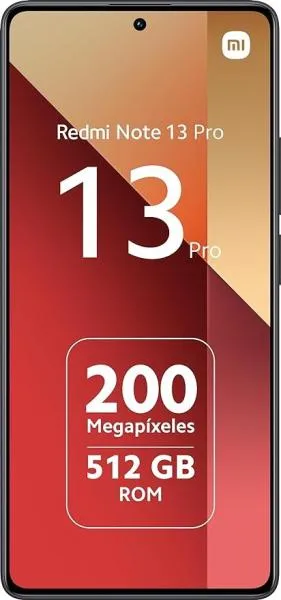
1. Specifications Comparison
| Feature | ZTE nubia Z50S Pro | Xiaomi Redmi Note 13 Pro 4G | Practical Impact |
|---|---|---|---|
| Design | |||
| Dimensions | 163.9 x 76.3 x 8.3 mm | 161.1 x 75 x 8 mm | Z50S Pro slightly taller and wider. Negligible difference in daily use. |
| Weight | 228g | 188g | Redmi noticeably lighter, reducing hand fatigue during extended use. |
| Build | Material unspecified for both. Unable to compare durability and premium feel. | ||
| Display | |||
| Size | 6.8" | 6.67" | Negligible size difference. Both offer large screen experiences. |
| Type | AMOLED, 1B colors, 120Hz | AMOLED, 1B colors, 120Hz | Both offer vibrant colors and smooth scrolling due to AMOLED and 120Hz refresh rate. |
| Resolution | 1260 x 2800 | 1080 x 2400 | Z50S Pro significantly sharper due to higher pixel density (452 ppi vs 395 ppi).Sharper text and images. |
| Peak Brightness | 1200 nits | 1300 nits | Redmi slightly brighter in direct sunlight, improving outdoor visibility. |
| Performance | |||
| Chipset | Snapdragon 8+ Gen 2 | Mediatek Helio G99 Ultra | Z50S Pro vastly more powerful. Expect significantly better performance in demanding tasks and gaming. |
| CPU | Octa-core (1x3.36 GHz Cortex-X3 & ...) | Octa-core (2x2.2 GHz Cortex-A76 & ...) | Z50S Pro's superior CPU architecture and clock speeds translate to faster app loading, smoother multitasking, and enhanced responsiveness. |
| GPU | Adreno 740 | Mali-G57 MC2 | Z50S Pro offers considerably better graphics performance, crucial for high-end gaming and graphically intensive applications. |
| RAM/Storage | 1000GB/12GB | 256GB/8GB, 512GB/12GB | Z50S Pro reviewed configuration offers more base storage. Both offer ample RAM for multitasking. |
| Camera | |||
| Video | 8K@30fps, 4K@120fps | 1080p@60fps | Z50S Pro capable of significantly higher resolution video recording. Redmi limited to 1080p. Missing detailed camera specs limit in-depth comparison. |
| Battery | |||
| Capacity | 5100 mAh | 5000 mAh | Negligible difference in battery capacity. Real-world battery life depends on optimization and usage. |
2. Key Differences Analysis
- Performance: The Z50S Pro dramatically outperforms the Redmi Note 13 Pro 4G due to the Snapdragon 8+ Gen 2. This translates to a smoother, faster, and more capable experience, especially for demanding tasks and gaming.
- Display: While both offer excellent displays, the Z50S Pro provides a sharper image due to its higher resolution. The Redmi Note 13 Pro 4G boasts slightly higher peak brightness.
- Video Recording: The Z50S Pro offers superior video recording capabilities, including 8K and 4K at 120fps, compared to the Redmi's 1080p limitation.
3. User Profiles & Recommendations
- ZTE nubia Z50S Pro: Ideal for power users, gamers, and those who demand top-tier performance and a sharp display. Excellent for content creation due to high-resolution video recording.
- Xiaomi Redmi Note 13 Pro 4G: Suitable for budget-conscious users who prioritize a large, bright display and reliable performance for everyday tasks. A good choice for general use, social media, and light gaming.
4. Decision Framework
- What is your budget? Both are mid-range, but specific pricing may influence the decision.
- What is your primary use case? Demanding tasks and gaming favor the Z50S Pro. Casual use favors the Redmi.
- Do you prioritize performance or battery life? The Z50S Pro prioritizes performance, while real-world battery differences are unclear.
My Choice: ZTE nubia Z50S Pro
While the Redmi Note 13 Pro 4G offers a compelling package for its price, the ZTE nubia Z50S Pro's significantly superior performance, sharper display, and advanced video recording capabilities make it the clear winner for me. The Snapdragon 8+ Gen 2 provides a future-proof platform for demanding applications and games, ensuring a smooth user experience for years to come. The higher resolution display enhances clarity for media consumption, and the ability to record 8K video is a significant advantage for content creators. While the Redmi Note 13 Pro 4G is lighter, the performance difference is substantial enough to justify the slight increase in weight and potential price difference for the Z50S Pro. I value a smooth and powerful user experience, making the Z50S Pro the better choice for my needs.
