
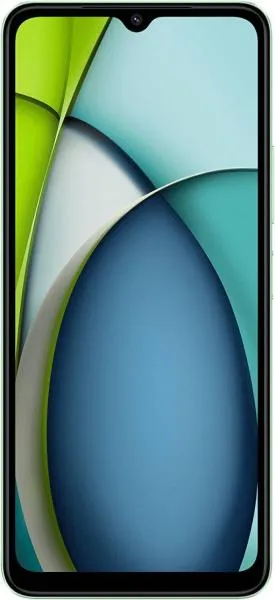
1. Specifications Comparison
| Feature | ZTE nubia Z50S Pro | Xiaomi Redmi A3x | Practical Impact |
|---|---|---|---|
| Design | |||
| Dimensions (mm) | 163.9 x 76.3 x 8.3 | 168.4 x 76.3 x 8.3 | The Redmi A3x is slightly taller and heavier. |
| Weight (g) | 228 | 193 | The Redmi A3x is noticeably lighter, potentially more comfortable for extended use. |
| Build Materials | Missing | Missing | Cannot compare build quality and durability. |
| Display | |||
| Display Type | AMOLED, 1B colors, 120Hz | IPS LCD, 90Hz | The Z50S Pro offers significantly better contrast, color accuracy, and smoother scrolling thanks to AMOLED and 120Hz. |
| Size (inches) | 6.8 | 6.71 | Negligible size difference. |
| Resolution | 1260 x 2800 | 720 x 1650 | The Z50S Pro has a much sharper display, resulting in clearer text and images. |
| Peak Brightness (nits) | 1200 | 500 | The Z50S Pro will be much more visible in direct sunlight. |
| Performance | |||
| Chipset | Snapdragon 8+ Gen 2 | Unisoc T603 | The Z50S Pro offers vastly superior processing power, enabling smooth multitasking and demanding gaming. |
| CPU | Octa-core (1x3.36 GHz Cortex-X3 & ...) | Octa-core 1.8 GHz | Specific core configuration on the Z50S Pro indicates significantly higher performance potential. |
| GPU | Adreno 740 | 8 | The Adreno 740 provides dramatically better graphics performance for gaming and visually intensive tasks. |
| RAM | 12GB | 4GB | The Z50S Pro's larger RAM enables smoother multitasking and app switching. |
| Storage | 1000GB | 128GB | The Z50S Pro offers substantially more storage. |
| Camera | |||
| Rear Camera | Missing | Missing | Camera quality cannot be compared without detailed specifications. |
| Video Recording | 8K@30fps, 4K@120fps | 1080p@30fps | The Z50S Pro supports much higher resolution and frame rate video recording. |
| Battery | |||
| Capacity (mAh) | 5100 | 5000 | Similar battery capacities, but real-world battery life will depend on other factors like display and processor efficiency. |
| Charging Speed | Missing | Missing | Cannot compare charging speeds. |
| Other | |||
| OS | Android 13 | Android 14 | The Redmi A3x launches with a newer Android version, potentially offering longer software support. |
| NFC | Yes | No | The Z50S Pro supports contactless payments and data transfer via NFC. |
| Price Range | Medium | Low | The Z50S Pro is expected to be more expensive. |
2. Key Differences Analysis
ZTE nubia Z50S Pro Advantages:
- Significantly higher performance: The Snapdragon 8+ Gen 2 and Adreno 740 provide a flagship-level experience.
- Superior Display: The AMOLED display with 120Hz refresh rate offers vibrant colors, deep blacks, and smooth scrolling.
- More Storage and RAM: Provides ample space for apps, files, and smooth multitasking.
- Higher Resolution Video Recording: Captures more detailed videos.
Xiaomi Redmi A3x Advantages:
- Lower Price: Offers a budget-friendly option.
- Lighter Weight: More comfortable for one-handed use.
- Newer Android Version: Potentially longer software updates and newer features out-of-the-box.
3. User Profiles & Recommendations
ZTE nubia Z50S Pro: Ideal for power users, gamers, and those who prioritize performance, a high-quality display, and ample storage. Suitable for demanding tasks like video editing, mobile gaming, and multitasking.
Xiaomi Redmi A3x: Suitable for budget-conscious users who prioritize basic functionality, such as calling, texting, web browsing, and social media. Good for users who prefer a lighter phone.
4. Decision Framework
Key Questions:
- What is your budget? The Redmi A3x is a budget phone, while the Z50S Pro is a mid-range device.
- What are your performance needs? For demanding tasks, the Z50S Pro is essential. For basic use, the Redmi A3x is sufficient.
- What display quality do you prefer? The Z50S Pro offers a vastly superior visual experience.
My Choice: ZTE nubia Z50S Pro
While the Redmi A3x offers a budget-friendly option, the ZTE nubia Z50S Pro is the clear winner for me. The significantly superior performance, stunning display, ample storage, and high-quality video recording capabilities are crucial for my needs. I prioritize a smooth and enjoyable user experience, even if it comes at a higher price. The difference in performance and display quality alone would make the Z50S Pro a much more satisfying device to use in the long run. The lack of NFC on the Redmi A3x is also a significant drawback for me. While I acknowledge the Redmi A3x's newer Android version and lighter weight as potential benefits, they are not enough to outweigh the Z50S Pro's substantial advantages in key areas.
