
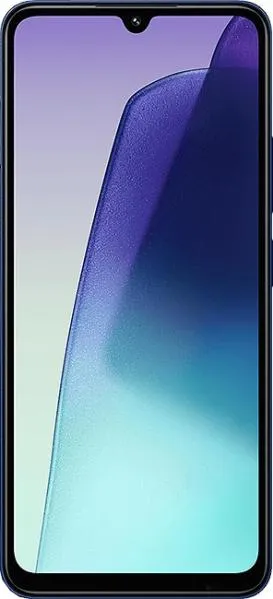
1. Specifications Comparison
| Feature | ZTE nubia Z50S Pro | Xiaomi Redmi 14C | Practical Impact |
|---|---|---|---|
| Design | |||
| Dimensions (mm) | 163.9 x 76.3 x 8.3 | 171.9 x 77.8 x 8.2 | The Redmi 14C is noticeably larger and may be less comfortable for one-handed use. |
| Weight (g) | 228 | 211 | The Z50S Pro is heavier, which might be noticeable during extended use. |
| Build Materials | Missing | Missing | Cannot compare build quality and durability. |
| Display | |||
| Display Type | AMOLED, 1B colors | IPS LCD | The Z50S Pro's AMOLED offers significantly better contrast, deeper blacks, and more vibrant colors. |
| Size (inches) | 6.8 | 6.88 | Negligible size difference. |
| Resolution | 1260 x 2800 | 720 x 1640 | The Z50S Pro has a much sharper display, resulting in crisper text and images. The Redmi 14C's lower resolution will be noticeable. |
| Refresh Rate (Hz) | 120 | 120 | Both offer smooth scrolling and animations. |
| Peak Brightness (nits) | 1200 | 600 (HBM) | The Z50S Pro will be much more readable in direct sunlight. |
| Performance | |||
| Chipset | Snapdragon 8+ Gen 2 | Mediatek Helio G81 Ultra | The Z50S Pro offers significantly faster processing power, enabling smoother multitasking and better gaming performance. |
| CPU | Octa-core (1x3.36 GHz Cortex-X3 & ...) | Octa-core (2x2.0 GHz Cortex-A75 & ...) | The Z50S Pro's CPU is considerably more powerful. |
| GPU | Adreno 740 | Mali-G52 MC2 | The Z50S Pro boasts a much more capable GPU for demanding games and graphics-intensive tasks. |
| RAM | 12GB | 6GB/8GB | The Z50S Pro offers more RAM for smoother multitasking. |
| Storage | 1000GB | 128GB | The Z50S Pro offers substantially more storage. |
| Camera | |||
| Rear Camera | Missing | Missing | Camera quality cannot be compared due to missing specifications. |
| Video Recording | 8K@30fps, 4K@120fps | 1080p@30fps | The Z50S Pro offers superior video recording capabilities with much higher resolution and frame rates. |
| Battery | |||
| Capacity (mAh) | 5100 | 5160 | Negligible difference in battery capacity. Real-world battery life will depend on usage and optimization. |
| Charging Speed | Missing | Missing | Cannot compare charging speeds. |
2. Key Differences Analysis
ZTE nubia Z50S Pro Advantages:
- Significantly more powerful: The Snapdragon 8+ Gen 2 chipset offers a substantial performance advantage for demanding tasks and gaming.
- Superior Display: The AMOLED display with higher resolution and peak brightness provides a dramatically better visual experience.
- More Storage: 1000GB offers ample space for apps, photos, and videos.
- Advanced Video Recording: Capable of recording 8K and 4K at high frame rates.
Xiaomi Redmi 14C Advantages:
- Lighter: Slightly less weight might be preferable for some users.
- Potentially Lower Price: While both are in the "medium price" range, the Redmi 14C is likely more affordable given its lower specifications.
3. User Profiles & Recommendations
ZTE nubia Z50S Pro: Ideal for users who prioritize performance, a premium display, ample storage, and advanced video recording capabilities. Suitable for power users, gamers, and content creators.
Xiaomi Redmi 14C: Best suited for budget-conscious users who primarily use their phones for basic tasks like calling, texting, browsing, and social media. It's a compromise on performance and display quality for affordability.
4. Decision Framework
Key Questions for Buyers:
- What is your budget? The Redmi 14C is likely more affordable.
- What are your primary phone usage patterns? For demanding tasks, the Z50S Pro is vastly superior.
- How important is display quality? The Z50S Pro's AMOLED display is a significant advantage.
My Choice: ZTE nubia Z50S Pro
While missing some information (camera specs, charging speed, build materials), the ZTE nubia Z50S Pro is the clear winner for me. The superior processor, stunning AMOLED display, vast storage, and advanced video capabilities significantly outweigh the Redmi 14C's minor weight advantage and potential price difference. I prioritize a smooth, responsive user experience, a high-quality display, and future-proofing through powerful hardware, making the Z50S Pro the better choice despite potentially being more expensive. The Redmi 14C's significantly lower resolution display and less powerful processor would be major drawbacks for my usage.
