
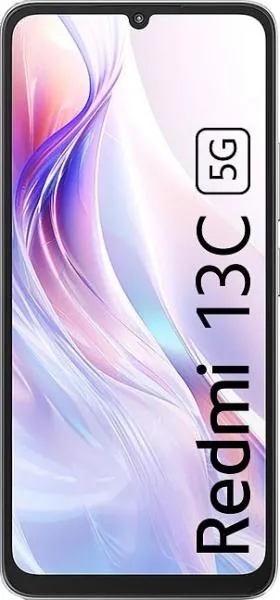
1. Specifications Comparison
| Feature | ZTE nubia Z50S Pro | Xiaomi Redmi 13C 5G | Practical Impact |
|---|---|---|---|
| Design | |||
| Dimensions | 163.9 x 76.3 x 8.3 mm | 168 x 78 x 8.1 mm | The Nubia is slightly smaller and thinner, potentially more pocketable. |
| Weight | 228g | 192g | The Redmi is noticeably lighter, reducing hand fatigue during extended use. |
| Build | Not specified | Not specified | Build quality impacts durability and premium feel; information lacking for both. |
| Display | |||
| Display Type | AMOLED, 1B colors, 120Hz | IPS LCD, 90Hz | Nubia offers superior contrast, deeper blacks, and smoother scrolling with AMOLED and higher refresh rate. |
| Resolution | 1260 x 2800 | 720 x 1600 | Nubia's significantly sharper display provides crisper text, images, and videos. |
| Peak Brightness | 1200 nits | 600 nits (HBM) | Nubia's screen is much brighter, ensuring better visibility outdoors. |
| Performance | |||
| Chipset | Snapdragon 8+ Gen 2 | MediaTek Dimensity 6100+ | Nubia boasts a flagship-level processor, translating to significantly faster performance in demanding tasks and gaming. |
| CPU | Octa-core (1x3.36 GHz Cortex-X3 & ...) | Octa-core (2x2.2 GHz Cortex-A76 & ...) | Nubia's CPU architecture offers higher clock speeds and more powerful cores, leading to superior overall performance. |
| GPU | Adreno 740 | Mali-G57 MC2 | Nubia's GPU is considerably more powerful, enabling smoother gaming and faster graphics rendering. |
| RAM | 12GB | 6GB | Nubia offers double the RAM, allowing for seamless multitasking and smoother app switching. |
| Storage | 1000GB | 128GB | Nubia offers significantly more storage. |
| Camera | |||
| Video Capabilities | 8K@30fps, 4K@120fps | 1080p@30fps | Nubia provides significantly higher video resolution and frame rate options for professional-grade video recording. |
| Battery | |||
| Capacity | 5100 mAh | 5000 mAh | Similar battery capacities, though real-world battery life depends on optimization and usage. |
| Other | |||
| NFC | Yes | No | Nubia supports contactless payments and data transfer via NFC. |
| USB | USB Type-C 3.1 | USB Type-C 2.0 | Nubia's USB standard offers faster data transfer speeds. |
2. Key Differences Analysis
ZTE nubia Z50S Pro Advantages:
- Flagship Performance: Significantly faster processor, GPU, and more RAM for demanding tasks and gaming.
- Superior Display: AMOLED with higher resolution, refresh rate, and peak brightness for a vibrant and smooth visual experience.
- Enhanced Camera Capabilities: 8K video recording and higher frame rates for professional-level video creation.
- Larger Storage: More space for apps, photos, and videos.
Xiaomi Redmi 13C 5G Advantages:
- Lighter Weight: Noticeably less weight, improving comfort during prolonged use.
- Potentially Lower Price: While both are mid-range, the Redmi is likely more affordable given its lower specs.
3. User Profiles & Recommendations
ZTE nubia Z50S Pro: Ideal for power users, gamers, content creators, or anyone who prioritizes performance, a premium display, and advanced camera features.
Xiaomi Redmi 13C 5G: Suitable for budget-conscious users who prioritize basic functionality, lightweight design, and long battery life. Best for everyday tasks like browsing, social media, and communication.
4. Decision Framework
Key Questions for Buyers:
- What is your budget? The Redmi 13C 5G is likely more affordable.
- What are your primary use cases? Gaming, content creation, or general use?
- Which features are most important to you? Performance, display quality, camera, battery life, or price?
My Choice: ZTE nubia Z50S Pro
While lacking specific pricing information, the ZTE nubia Z50S Pro offers a significantly superior user experience across almost all aspects. The powerful hardware, brilliant display, and advanced camera capabilities outweigh the Redmi's advantages in weight and potential price difference. The substantial difference in performance, display quality, and camera features would justify a reasonable price premium for me. I prioritize a smooth and responsive user experience, high-quality visuals, and the ability to handle demanding tasks, making the Nubia the clear winner. The Redmi 13C 5G serves a different segment of the market focused primarily on affordability and basic functionality.
