
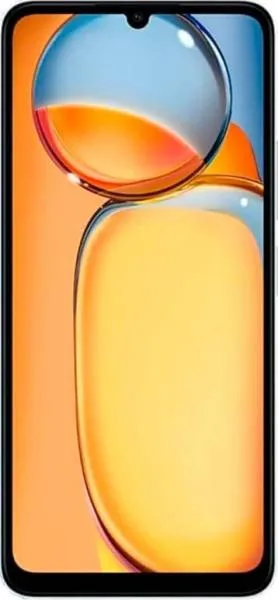
1. Specifications Comparison
| Feature | ZTE nubia Z50S Pro | Xiaomi Redmi 13C | Practical Impact |
|---|---|---|---|
| Design | |||
| Dimensions | 163.9 x 76.3 x 8.3 mm | 168 x 78 x 8.1 mm | The Nubia is slightly smaller and thinner, potentially easier for one-handed use. |
| Weight | 228g | 192g | The Redmi is noticeably lighter, reducing hand fatigue during extended use. |
| Build Materials | Missing | Missing | Material choice impacts durability and premium feel; information unavailable for comparison. |
| Display | |||
| Size | 6.8" | 6.74" | Negligible size difference in real-world usage. |
| Type | AMOLED, 1B colors, 120Hz | IPS LCD, 90Hz | The Nubia's AMOLED offers superior contrast, deeper blacks, and more vibrant colors. Its 120Hz refresh rate provides smoother animations and scrolling compared to the Redmi's 90Hz LCD. |
| Resolution | 1260 x 2800 | 720 x 1600 | The Nubia boasts significantly sharper visuals due to its much higher resolution. |
| Peak Brightness | 1200 nits | 600 nits (HBM) | The Nubia will be far more readable in direct sunlight. |
| Performance | |||
| Chipset | Snapdragon 8+ Gen 2 | Helio G85 | The Nubia's Snapdragon 8+ Gen 2 is a flagship processor, vastly outperforming the Redmi's mid-range Helio G85 in demanding tasks, gaming, and multitasking. |
| CPU | Octa-core (1x3.36 GHz Cortex-X3 & ...) | Octa-core (2x2.0 GHz Cortex-A75 & ...) | The Nubia's CPU architecture and clock speeds offer significantly faster processing power. |
| GPU | Adreno 740 | Mali-G52 MC2 | The Nubia's GPU provides a substantial advantage in graphics performance, enabling smoother gaming and faster rendering. |
| RAM | 12GB | 6GB/8GB | The Nubia offers more RAM, enabling better multitasking and smoother performance with multiple apps open. |
| Storage | 1000GB | 128GB/256GB | The Nubia offers significantly more base storage. |
| Camera | |||
| Rear Camera | Details Missing | Details Missing | Insufficient information to compare camera quality and features. Only video capabilities are provided, which favor the Nubia with 8K recording. |
| Video | 8K@30fps, 4K@120fps | 1080p@30fps | The Nubia offers significantly higher video resolution and frame rates, allowing for more detailed and smoother video recording. |
| Battery | |||
| Capacity | 5100 mAh | 5000 mAh | Negligible difference in battery capacity. Real-world battery life depends on usage and optimization. |
2. Key Differences Analysis
ZTE nubia Z50S Pro Advantages:
- Significantly more powerful: The Snapdragon 8+ Gen 2 provides a massive performance advantage for demanding tasks and gaming.
- Superior Display: The AMOLED display with higher resolution, refresh rate, and peak brightness delivers a dramatically better visual experience.
- More Storage: 1TB of storage offers ample space for apps, media, and files.
Xiaomi Redmi 13C Advantages:
- Lighter: Noticeably less weight improves comfort for extended use.
- Lower Price: Belongs to a lower price range, offering better affordability.
3. User Profiles & Recommendations
ZTE nubia Z50S Pro: Ideal for power users, gamers, and those who prioritize performance, a premium display, and ample storage. Excellent for demanding tasks, content creation, and immersive media consumption.
Xiaomi Redmi 13C: Suitable for budget-conscious users who prioritize basic functionality, like calling, texting, browsing, and social media. A good option for light users or as a secondary device.
4. Decision Framework
Key Questions for Buyers:
- What is your budget? The Redmi 13C is significantly more affordable.
- What are your primary use cases? For demanding tasks and gaming, the Nubia is essential. For basic usage, the Redmi suffices.
- How important is display quality? The Nubia's AMOLED display is a major differentiator.
My Choice: ZTE nubia Z50S Pro
While the Redmi 13C offers excellent value for its price, the ZTE nubia Z50S Pro is the clear winner for me. The superior performance, stunning display, and ample storage are crucial for my workflow and entertainment needs. The price difference is justified by the significant leap in quality and capabilities. The slightly heavier weight is a minor trade-off for the substantial performance gains and premium experience. I prioritize a smooth and responsive user experience, high-quality visuals, and the ability to handle demanding tasks without lag, all of which the Nubia delivers exceptionally well.
