
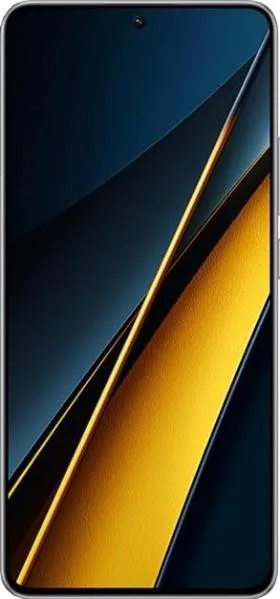
1. Specifications Comparison
| Feature | ZTE nubia Z50S Pro | Xiaomi Poco X6 Pro | Practical Impact |
|---|---|---|---|
| Design | |||
| Dimensions | 163.9 x 76.3 x 8.3 mm | 160.5 x 74.3 x 8.3 mm | Poco X6 Pro is slightly smaller and potentially more comfortable for one-handed use. |
| Weight | 228g | 186g | Poco X6 Pro is significantly lighter, reducing hand fatigue during extended use. |
| Display | |||
| Size | 6.8" | 6.67" | Negligible difference in screen real estate. |
| Type | AMOLED, 1B colors, 120Hz | AMOLED, 68B colors, 120Hz, HDR10+, Dolby Vision | Poco X6 Pro supports HDR10+ and Dolby Vision, resulting in superior dynamic range and color accuracy in compatible content. While both have 120Hz, the color depth difference (1B vs 68B) is significant, with the Poco offering noticeably smoother color gradients. |
| Peak Brightness | 1200 nits | 1800 nits | Poco X6 Pro offers significantly higher peak brightness, improving outdoor visibility. |
| Resolution | 1260 x 2800 | 1220 x 2712 | ZTE has a slightly sharper display due to higher pixel density (452 ppi vs 446 ppi), but the difference is negligible in real-world usage. |
| Performance | |||
| Chipset | Snapdragon 8+ Gen 2 | Dimensity 8300 Ultra | Snapdragon 8+ Gen 2 generally offers better peak performance, particularly in demanding games. Dimensity 8300 Ultra focuses on sustained performance and efficiency. |
| CPU | Octa-core (1x3.36 GHz Cortex-X3 & 2x2.8 GHz Cortex-A715 & 2x2.8 GHz Cortex-A710 & 3x2.0 GHz Cortex-A510) | Octa-core (1x3.35 GHz Cortex-A715 & 3x3.20 GHz Cortex-A715 & 4x2.20 GHz Cortex-A510) | Both offer powerful CPUs, but architectural differences make direct comparison difficult without benchmarks. |
| GPU | Adreno 740 | Mali G615-MC6 | Adreno 740 generally provides stronger graphics performance compared to Mali G615-MC6, benefiting gaming and graphically intensive tasks. |
| RAM | 12GB | 12GB | Equal RAM capacity ensures smooth multitasking on both devices. |
| Storage | 1000GB | 256/512GB | ZTE offers a larger storage option (1TB), beneficial for users who store large files or install numerous apps. |
| Camera | |||
| Video Capabilities | 8K@30fps, 4K@120fps | 4K@30fps | ZTE offers superior video recording capabilities with 8K and 4K at 120fps. Poco X6 Pro lacks higher resolution and frame rate options. Specific sensor details are missing, making a comprehensive camera comparison impossible. |
| Battery | |||
| Capacity | 5100 mAh | 5000 mAh | Negligible difference in battery capacity. Real-world battery life depends on optimization and usage patterns. |
| Software | |||
| OS | Android 13 | Android 14 | Poco X6 Pro ships with a newer Android version, offering potential feature and security advantages. It also has longer OS update support guaranteed till Android 17. |
| Other | |||
| USB | USB Type-C 3.1 | USB Type-C 2.0 | ZTE offers faster data transfer speeds with USB 3.1. |
2. Key Differences Analysis
ZTE nubia Z50S Pro Advantages:
- Superior Performance: More powerful GPU and potentially CPU. Better for demanding tasks and gaming.
- Larger Storage: 1TB option provides ample space for files and apps.
- Higher Resolution Video Recording: Offers 8K and 4K@120fps recording.
- Faster Data Transfer: USB 3.1 enables quicker file transfer.
Xiaomi Poco X6 Pro Advantages:
- Lighter and More Compact: Easier to handle and carry.
- Brighter Display with HDR: Improved outdoor visibility and better multimedia experience.
- Newer Android Version with Longer Support: Access to latest features and security updates, with guaranteed updates till Android 17.
- Potentially Better Battery Life: Dimensity 8300 Ultra is known for its efficiency, potentially leading to longer battery life despite similar capacity. This needs real world testing to confirm.
3. User Profiles & Recommendations
ZTE nubia Z50S Pro: Users who prioritize performance, large storage, and high-quality video recording. Ideal for mobile gamers, content creators, and power users.
Xiaomi Poco X6 Pro: Users who value a lightweight and compact phone with a vibrant display and long software support. Suitable for everyday users, media consumers, and those seeking a balance between performance and portability.
4. Decision Framework
Key Questions:
- What is your budget and storage requirement? ZTE offers a larger storage option but may be more expensive.
- Is top-tier performance or a better display/portability more important? ZTE excels in performance, while Poco prioritizes display quality and handling.
- How important is software update longevity to you? Poco offers a more modern Android version with confirmed future upgrades.
My Choice: Xiaomi Poco X6 Pro
While the ZTE boasts superior performance and storage, the Poco X6 Pro's combination of a lighter, more compact design, a brighter HDR-capable display, a newer Android version with longer support, and the potential for better battery life makes it a more compelling overall package for me. I prioritize daily usability, software updates, and a good multimedia experience over peak performance. The weight difference is significant, and the display quality advantages of the Poco are substantial for everyday use. The confirmed OS updates till Android 17 provide peace of mind regarding long-term software support and security. While I acknowledge the ZTE's strengths in performance and storage, these factors are less crucial for my personal needs. The lack of detailed camera specifications makes a definitive judgment on imaging capabilities impossible.
