
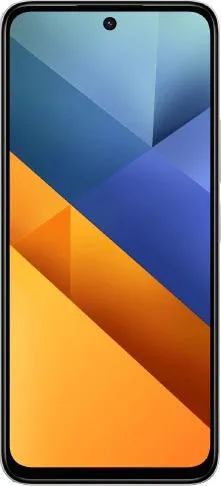
1. Specifications Comparison
| Feature | ZTE nubia Z50S Pro | Xiaomi Poco M6 4G | Practical Impact |
|---|---|---|---|
| Design | |||
| Dimensions (mm) | 163.9 x 76.3 x 8.3 | 168.6 x 76.3 x 8.3 | The Poco M6 4G is slightly taller and potentially less comfortable for one-handed use. |
| Weight (g) | 228 | 205 | The Poco M6 4G is noticeably lighter, reducing hand fatigue during extended use. |
| Build Materials | Not specified | Not specified | Cannot compare build quality and durability without more information. |
| Display | |||
| Display Type | AMOLED, 1B colors | IPS LCD | The Z50S Pro's AMOLED display offers significantly better contrast, deeper blacks, and more vibrant colors. |
| Size (inches) | 6.8 | 6.79 | Negligible size difference. |
| Resolution | 1260 x 2800 | 1080 x 2460 | The Z50S Pro has a sharper display with higher pixel density (452 ppi vs 396 ppi), resulting in crisper text and images. |
| Refresh Rate (Hz) | 120 | 90 | The Z50S Pro's 120Hz refresh rate provides smoother scrolling and animations, leading to a more fluid user experience. |
| Peak Brightness (nits) | 1200 | 550 (HBM) | The Z50S Pro's display is much brighter, ensuring better visibility in direct sunlight. |
| Performance | |||
| Chipset | Snapdragon 8+ Gen 2 | Helio G91 Ultra | The Snapdragon 8+ Gen 2 in the Z50S Pro is significantly more powerful, enabling smoother multitasking, faster app loading, and better gaming performance. |
| CPU | Octa-core (1x3.36 GHz Cortex-X3 & ...) | Octa-core (2x2.0 GHz Cortex-A75 & ...) | The Z50S Pro boasts a more powerful and efficient CPU architecture. |
| GPU | Adreno 740 | Mali-G52 MC2 | The Adreno 740 offers considerably better graphics performance for demanding games and applications. |
| RAM | 12GB | 8GB | More RAM in the Z50S Pro allows for more apps to run in the background without performance slowdowns. |
| Storage | 1000GB | 256GB | The Z50S Pro offers significantly more storage space for apps, photos, and videos. |
| Camera | |||
| Video Capabilities | 8K@30fps, 4K@120fps... | 1080p@30fps | The Z50S Pro offers vastly superior video recording capabilities, including higher resolution (up to 8K) and frame rates (up to 120fps). Specific sensor details are missing for a more detailed comparison. |
| Battery | |||
| Capacity (mAh) | 5100 | 5030 | Negligible difference in battery capacity. Real-world battery life will depend on usage patterns and software optimization. |
2. Key Differences Analysis
ZTE nubia Z50S Pro Advantages:
- Significantly more powerful: The Snapdragon 8+ Gen 2 chipset provides a massive performance advantage for demanding tasks and gaming.
- Superior display: AMOLED technology with higher resolution, refresh rate, and peak brightness delivers a much better visual experience.
- More storage: 1000GB offers ample space for even the most demanding users.
- Advanced video recording: Supports up to 8K resolution and 120fps.
Xiaomi Poco M6 4G Advantages:
- Lighter and potentially more affordable: Easier to hold for extended periods and likely less expensive given the "low price" designation.
3. User Profiles & Recommendations
ZTE nubia Z50S Pro: Ideal for power users, gamers, and content creators who demand top-tier performance, a stunning display, and ample storage.
Xiaomi Poco M6 4G: Suitable for budget-conscious users who prioritize basic functionality, lightweight design, and long battery life over high performance.
4. Decision Framework
Key Questions:
- What is your budget? The Poco M6 4G is likely much more affordable.
- What are your primary use cases? Gaming, content creation, or general everyday use?
- Do you prioritize performance and display quality or affordability and battery life?
My Choice: ZTE nubia Z50S Pro
While lacking specific pricing information, the ZTE nubia Z50S Pro offers a significantly superior overall package. The Snapdragon 8+ Gen 2, the stunning AMOLED display, and the vast storage are compelling advantages. The performance difference alone would drastically improve the experience for demanding tasks and future-proof the device. Even if the price is considerably higher, the Z50S Pro appears to offer much better value for its capabilities. The Poco M6 4G, while lighter and likely cheaper, compromises too heavily on performance and display quality for my needs. A lighter phone doesn't outweigh the benefits of a dramatically smoother and more visually appealing user experience.
