
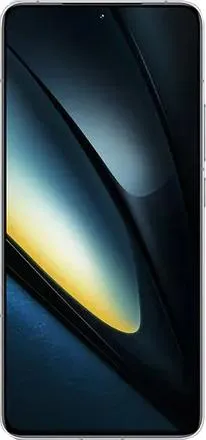
1. Specifications Comparison
| Feature | ZTE nubia Z50S Pro | Xiaomi Poco F6 Pro | Practical Impact |
|---|---|---|---|
| Design | |||
| Dimensions | 163.9 x 76.3 x 8.3 mm | 160.9 x 75 x 8.2 mm | Poco F6 Pro is slightly smaller and thinner, potentially improving one-handed use. |
| Weight | 228g | 209g | Poco F6 Pro is noticeably lighter, reducing hand fatigue during extended use. |
| Display | |||
| Size | 6.8 inches | 6.67 inches | Negligible difference in screen real estate. |
| Type | AMOLED, 1B colors, 120Hz | AMOLED, 68B colors, 120Hz, Dolby Vision, HDR10+ | Both offer smooth scrolling with 120Hz. Poco F6 Pro supports more colors and HDR standards, resulting in potentially richer and more dynamic visuals. |
| Peak Brightness | 1200 nits | 4000 nits | Poco F6 Pro offers significantly higher peak brightness, ensuring better visibility in direct sunlight. |
| Resolution | 1260 x 2800 | 1440 x 3200 | Poco F6 Pro has a sharper display (higher pixel density), resulting in crisper text and images. |
| Performance | |||
| Chipset | Snapdragon 8+ Gen 2 | Snapdragon 8 Gen 2 | Z50S Pro has a slightly faster CPU clock speed, potentially offering a minor performance edge in demanding tasks. |
| CPU | Octa-core (1x3.36 GHz Cortex-X3 & 2x2.8 GHz Cortex-A715 & 2x2.8 GHz Cortex-A710 & 3x2.0 GHz Cortex-A510) | Octa-core (1x3.2 GHz Cortex-X3 & 2x2.8 GHz Cortex-A715 & 2x2.8 GHz Cortex-A710 & 3x2.0 GHz Cortex-A510) | The slightly higher clock speed on the Z50S Pro's primary core might provide a marginal performance advantage, but both will handle demanding tasks and games with ease. |
| GPU | Adreno 740 (719 MHz) | Adreno 740 | Minor difference in GPU clock speed, unlikely to result in noticeable real-world performance differences. |
| RAM/Storage | 1000GB/12GB | 512GB/12GB, 1000GB/16GB | Both offer ample RAM for multitasking. Poco F6 Pro offers a 1TB/16GB configuration for even more demanding users. |
| Battery | |||
| Capacity | 5100 mAh | 5000 mAh | Negligible difference in battery capacity. Real-world battery life will depend more on software optimization and usage patterns. |
| Camera | |||
| Video Capabilities | 8K@30fps, 4K up to 120fps | 8K@24fps, 4K up to 60fps, slow-motion up to 1920fps | Poco F6 Pro offers more diverse slow-motion video recording options. Z50S Pro offers 4K at 120fps. Missing details on photo capabilities limit a full comparison. |
2. Key Differences Analysis
ZTE nubia Z50S Pro Advantages:
- Slightly faster CPU: Potentially minor performance advantage.
- Higher 4K video frame rate options
Xiaomi Poco F6 Pro Advantages:
- Brighter Display: Significantly better outdoor visibility.
- Sharper Display: Crisper text and images.
- Lighter and More Compact: Easier to handle and carry.
- More Color Rich Display: More vibrant and dynamic visuals thanks to 10-bit color depth.
- More Versatile Slow-Motion Video: Captures extreme slow-motion footage.
- More Storage Options: Offers a 1TB/16GB configuration.
- Newer Android Version: Starts with Android 14 and has longer promised OS updates.
3. User Profiles & Recommendations
ZTE nubia Z50S Pro: Users prioritizing marginal performance gains and high frame rate 4K video recording might prefer this phone.
Xiaomi Poco F6 Pro: Users prioritizing display quality, a lighter and more compact design, and versatile slow-motion video recording will likely prefer the Poco F6 Pro. The longer software support lifespan is also a significant advantage.
4. Decision Framework
Key Questions for Buyers:
- How important is outdoor visibility? If you frequently use your phone in direct sunlight, the Poco F6 Pro's brighter display is a crucial advantage.
- Do you value a lighter and more compact phone? The Poco F6 Pro's lighter weight and smaller dimensions enhance portability and one-handed use.
- How important is long-term software support and the latest features? The Poco F6 Pro ships with a newer Android version and has a longer update commitment.
My Choice: Xiaomi Poco F6 Pro
While the ZTE nubia Z50S Pro offers a slightly faster processor, the Poco F6 Pro presents a more compelling overall package. Its significantly brighter and sharper display, lighter weight, more compact design, versatile slow-motion video capabilities, and longer software support make it a more practical and future-proof choice for most users. The marginal performance difference of the Z50S Pro wouldn't be noticeable in everyday use and doesn't outweigh the Poco F6 Pro's numerous advantages. Additionally, the wider range of storage configuration options on the Poco F6 Pro caters to users with greater storage demands.
