
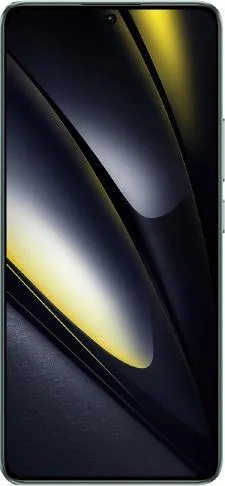
1. Specifications Comparison
| Feature | ZTE nubia Z50S Pro | Xiaomi Poco F6 | Practical Impact |
|---|---|---|---|
| Design | |||
| Dimensions | 163.9 x 76.3 x 8.3 mm | 160.5 x 74.5 x 8 mm | Poco F6 is slightly smaller and might feel more comfortable in hand. |
| Weight | 228g | 179g | Poco F6 is significantly lighter, reducing hand fatigue during extended use. |
| Build | (Missing) | (Missing) | Build materials impact durability and premium feel; information is lacking for comparison. |
| Display | |||
| Size | 6.8" | 6.67" | Negligible difference in screen real estate. |
| Type | AMOLED, 1B colors, 120Hz | AMOLED, 68B colors, 120Hz, HDR10+, Dolby Vision | Both offer smooth scrolling with 120Hz. Poco F6's 68B colors and HDR10+/Dolby Vision support deliver superior color accuracy and dynamic range for richer visuals, especially noticeable in media consumption. |
| Resolution | 1260 x 2800 | 1220 x 2712 | Similar pixel density; both offer sharp visuals. |
| Peak Brightness | 1200 nits | 2400 nits | Poco F6 offers much higher peak brightness, ensuring better visibility in direct sunlight. |
| Performance | |||
| Chipset | Snapdragon 8+ Gen 2 | Snapdragon 8s Gen 3 | Nubia Z50S Pro boasts a more powerful chipset, translating to faster app loading, smoother multitasking, and better gaming performance. |
| CPU | Octa-core (1x3.36 GHz Cortex-X3 & 2x2.8 GHz Cortex-A715 & 2x2.8 GHz Cortex-A710 & 3x2.0 GHz Cortex-A510) | Octa-core (1x3.0 GHz Cortex-X4 & 4x2.8 GHz Cortex-A720 & 3x2.0 GHz Cortex-A520) | While both CPUs are powerful, the architectural differences and higher clock speeds give the Nubia Z50S Pro a performance edge. |
| GPU | Adreno 740 (719 MHz) | Adreno 735 | Nubia Z50S Pro's GPU offers a slight performance advantage in graphically demanding tasks and games. |
| RAM | 12GB | 12GB | Both offer ample RAM for smooth multitasking. |
| Storage | 1000GB | 512GB | Nubia offers double the storage, beneficial for users who store large files like photos and videos. |
| Camera | |||
| Rear Camera | Missing | Missing | Cannot compare camera quality without detailed specifications. |
| Video | 8K@30fps, 4K@120fps | 4K@60fps, 1080p@240fps | Nubia offers higher resolution video recording (8K), while Poco F6 provides higher frame rate options at lower resolutions for slow-motion capture. |
| Battery | |||
| Capacity | 5100 mAh | 5000 mAh | Negligible difference in battery capacity. Real-world battery life depends on software optimization and usage patterns. |
| Charging Speed | Missing | Missing | Charging speed significantly impacts usability; this information is crucial for comparison. |
2. Key Differences Analysis
ZTE nubia Z50S Pro Advantages:
- Superior Performance: The Snapdragon 8+ Gen 2 provides a noticeable performance advantage for demanding tasks and gaming.
- Larger Storage: Double the storage capacity compared to the Poco F6.
Xiaomi Poco F6 Advantages:
- Brighter Display: Significantly brighter display for excellent outdoor visibility.
- Superior Display Color and HDR support: Wider color gamut and HDR10+/Dolby Vision support deliver a richer visual experience.
- Lighter and More Compact: Noticeably lighter and slightly smaller, making it more comfortable for one-handed use.
- More Recent OS: Ships with a newer Android version (14 vs 13), potentially offering longer software support and newer features.
3. User Profiles & Recommendations
ZTE nubia Z50S Pro: Ideal for power users who prioritize performance and ample storage for demanding applications and gaming.
Xiaomi Poco F6: Suitable for users who prioritize media consumption, value a vibrant display with excellent outdoor visibility, and prefer a lighter, more comfortable phone.
4. Decision Framework
Key Questions for Buyers:
- What is your primary use case? (Gaming, media consumption, productivity)
- How important is display quality and brightness?
- Do you prioritize performance or portability?
Scenario-Based Recommendations:
- Gamer: ZTE nubia Z50S Pro for its superior performance.
- Media Enthusiast: Xiaomi Poco F6 for its brighter, more color-accurate display with HDR support.
- Casual User: Either phone could suffice, but the Poco F6's lighter weight and potentially lower price might be more appealing.
My Choice: Xiaomi Poco F6
While the Nubia Z50S Pro offers a performance advantage, the Poco F6's superior display, lighter weight, and more recent software make it a more compelling option for me. I prioritize media consumption and appreciate a comfortable phone for everyday use. The brighter display is crucial for outdoor visibility, and the longer software support offered by Android 14 is a significant factor. Although the Nubia has double the storage, 512GB is ample for my needs. The difference in processing power wouldn't significantly impact my typical usage, while the display and weight differences would be noticeable daily. Finally, the potentially lower price of the Poco F6 further strengthens its value proposition.
