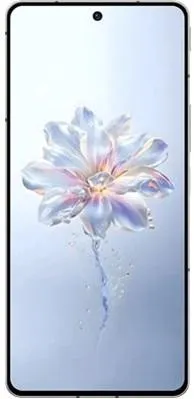
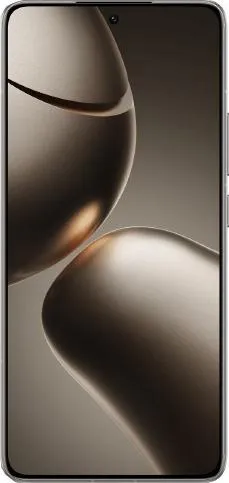
1. Specifications Comparison
| Feature | ZTE nubia Z50S Pro | Xiaomi 14T Pro | Practical Impact |
|---|---|---|---|
| Design | |||
| Dimensions | 163.9 x 76.3 x 8.3 mm | 160.4 x 75.1 x 8.4 mm | Xiaomi 14T Pro is slightly shorter, narrower, and thicker, but the difference is negligible in hand. |
| Weight | 228g | 209g | The Xiaomi 14T Pro is noticeably lighter, improving one-handed use and reducing pocket fatigue. |
| Display | |||
| Size | 6.8" | 6.67" | Negligible difference in screen real estate. |
| Type | AMOLED, 1B colors, 120Hz | AMOLED, 68B colors, 144Hz, Dolby Vision, HDR10+ | Xiaomi boasts a higher refresh rate for smoother animations and scrolling, a significantly wider color gamut for richer visuals, and support for Dolby Vision and HDR10+ enhancing dynamic range and color accuracy in supported content. |
| Peak Brightness | 1200 nits | 4000 nits | The Xiaomi 14T Pro offers dramatically higher peak brightness, ensuring significantly better outdoor visibility. |
| Resolution | 1260 x 2800 | 1220 x 2712 | Both offer sharp visuals; differences in pixel density are minimal. |
| Performance | |||
| Chipset | Snapdragon 8+ Gen 2 | Dimensity 9300+ | Both are high-end chipsets promising excellent performance. Benchmark comparisons are needed for definitive conclusions. |
| CPU | Octa-core (1x3.36 GHz Cortex-X3 & ...) | Octa-core (1x3.4 GHz Cortex-X4 & ...) | Both CPUs offer top-tier performance; real-world differences might be subtle and application-specific. |
| GPU | Adreno 740 (719 MHz) | Immortalis-G720 MC12 | Gaming performance differences require real-world testing and benchmarks. |
| RAM | 12GB | 12GB | Equal RAM ensures smooth multitasking on both devices. |
| Storage | 1000GB | 512GB | ZTE offers double the storage, crucial for users who store large files or install numerous apps. |
| Camera | |||
| Video Capabilities | 8K@30fps, 4K@120fps... | 8K@30fps, 4K@60fps, 1080p@960fps... | Xiaomi supports a wider range of video recording modes and frame rates, especially for slow-motion capture. Missing details on sensor size and aperture limit a comprehensive camera comparison. |
| Battery | |||
| Capacity | 5100 mAh | 5000 mAh | Negligible difference in battery capacity. Real-world battery life depends on optimization and usage patterns. |
| Other | |||
| OS | Android 13 | Android 14 | Xiaomi ships with a newer Android version, potentially offering newer features and longer software support. |
| USB | USB Type-C 3.1 | USB Type-C 2.0, OTG | ZTE offers faster data transfer speeds with USB 3.1. Xiaomi supports On-The-Go for connecting peripherals. |
2. Key Differences Analysis
ZTE nubia Z50S Pro Advantages:
- Larger Storage: Double the storage capacity.
- Faster Data Transfer: USB 3.1.
Xiaomi 14T Pro Advantages:
- Superior Display: Higher refresh rate, wider color gamut, Dolby Vision/HDR10+ support, much higher peak brightness.
- Lighter Weight: Noticeably lighter for comfortable handling.
- Newer OS: Android 14 with potential for longer software updates.
- More Versatile Video Recording: Wider range of frame rates and resolutions, including high-frame-rate slow-motion.
3. User Profiles & Recommendations
ZTE nubia Z50S Pro: Users who prioritize large storage for media or apps and require fast data transfer speeds.
Xiaomi 14T Pro: Users who value a superior display experience, especially for gaming and media consumption, and prefer a lighter, more portable device.
4. Decision Framework
Key Questions:
- How important is storage capacity?
- Is display quality a top priority?
- How much do you value the latest software and features?
Scenario-Based Recommendations:
- Heavy Downloader/Gamer: ZTE for storage, Xiaomi for display depending on game requirements.
- Media Consumer: Xiaomi for the superior display.
- Casual User: Either phone could suffice; decide based on budget and specific feature preferences.
My Choice: Xiaomi 14T Pro
While the ZTE offers more storage, the Xiaomi 14T Pro's significantly superior display, lighter weight, newer Android version, and more versatile video recording capabilities are more compelling to me. The display improvements alone would drastically enhance daily usage, especially for media consumption and gaming. The weight difference also contributes to a more comfortable user experience. While storage is important, cloud storage solutions can supplement the Xiaomi's 512GB if needed. The newer OS promises longer software support and potentially access to newer features. Ultimately, the Xiaomi 14T Pro offers a more well-rounded and future-proof package for my personal preferences.
