
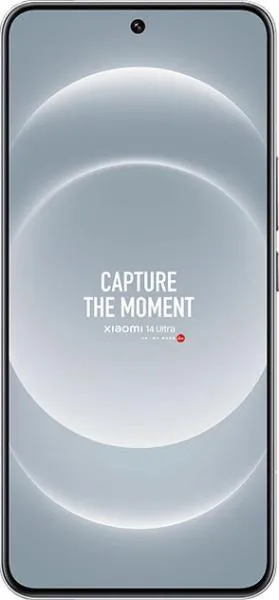
1. Specifications Comparison
| Feature | ZTE nubia Z50S Pro | Xiaomi 14 Ultra | Practical Impact |
|---|---|---|---|
| Design | |||
| Dimensions | 163.9 x 76.3 x 8.3 mm | 161.4 x 75.3 x 9.2 mm | Xiaomi 14 Ultra is slightly shorter and narrower, but thicker. Z50S Pro is thinner and potentially more pocketable. |
| Weight | 228g | 229.5g | Negligible weight difference in real-world usage. |
| Display | |||
| Size | 6.8" | 6.73" | Negligible size difference. |
| Type | AMOLED, 1B colors, 120Hz | LTPO AMOLED, 68B colors, 120Hz | Xiaomi's LTPO panel offers better power efficiency due to variable refresh rate and potentially smoother scrolling. 68B colors offer a wider color gamut for more accurate and vibrant visuals. |
| Resolution | 1260 x 2800 | 1440 x 3200 | Xiaomi 14 Ultra has a sharper display with higher pixel density (522 vs 452 ppi), resulting in crisper text and images. |
| Peak Brightness | 1200 nits | 3000 nits | Xiaomi 14 Ultra offers significantly higher peak brightness, ensuring excellent outdoor visibility even in direct sunlight. |
| Performance | |||
| Chipset | Snapdragon 8+ Gen 2 | Snapdragon 8 Gen 3 | Xiaomi 14 Ultra features a newer generation chipset, promising improved performance, efficiency and AI capabilities. |
| CPU | Octa-core (1x3.36 GHz Cortex-X3 & ...) | Octa-core (1x3.3 GHz Cortex-X4 & ...) | Gen 3 architecture should offer noticeable performance gains in demanding tasks and multitasking. |
| GPU | Adreno 740 (719 MHz) | Adreno 750 | The Adreno 750 provides a significant performance uplift over the 740, resulting in smoother gaming and faster graphics rendering. |
| RAM | 12GB | 16GB | More RAM in the Xiaomi allows for more apps to be held in memory, reducing reloading times and improving multitasking. |
| Storage | 1000GB | 512GB | Z50S Pro offers double the storage, beneficial for users who store large files like photos and videos. |
| Camera | |||
| Video Capabilities | Up to 8K@30fps, 4K@120fps | Up to 8K@30fps, 4K@120fps, 1080p@1920fps | While both offer similar high-resolution video recording capabilities, the Xiaomi 14 Ultra boasts significantly higher frame rate options at 1080p for extreme slow-motion capture. Missing detailed camera sensor information limits in-depth comparison. |
| Battery | |||
| Capacity | 5100 mAh | 5000 mAh | ZTE has a slightly larger battery capacity. Real-world battery life depends on optimization and usage patterns. |
2. Key Differences Analysis
ZTE nubia Z50S Pro Advantages:
- Larger Storage: Offers significantly more storage for media and files.
- Potentially Slimmer Profile: Might be more pocketable due to its thinner design.
Xiaomi 14 Ultra Advantages:
- Newer, More Powerful Chipset: Snapdragon 8 Gen 3 delivers superior performance and efficiency.
- Sharper, Brighter Display: Higher resolution and peak brightness for a better visual experience.
- More RAM: Enables smoother multitasking and reduced app reloading.
- More Advanced Display Technology: LTPO panel allows for variable refresh rate, saving battery. Wider color gamut for more vibrant visuals.
- More Comprehensive Slow-Motion Video: Significantly higher frame rate options for slow-motion capture.
3. User Profiles & Recommendations
ZTE nubia Z50S Pro: Ideal for users prioritizing large storage capacity and who are on a tighter budget. Suitable for storing large amounts of media and who don't require the absolute latest in processing power.
Xiaomi 14 Ultra: Best suited for users who demand top-tier performance, a premium display, and the latest technology. Excellent for gamers, power users, and content creators who value a smooth, responsive experience and excellent visuals.
4. Decision Framework
Key Questions for Buyers:
- What is your budget? While both are mid-range, the Xiaomi 14 Ultra is likely to be priced higher.
- What are your performance needs? For demanding tasks and gaming, the Xiaomi 14 Ultra is superior.
- How important is display quality and battery life? The Xiaomi offers a noticeably better visual experience and potentially better battery efficiency due to LTPO technology.
My Choice: Xiaomi 14 Ultra
While the ZTE nubia Z50S Pro offers impressive storage, the Xiaomi 14 Ultra provides a more compelling overall package. The newer and significantly more powerful Snapdragon 8 Gen 3, coupled with the sharper, brighter, and more efficient LTPO display, makes a substantial difference in the user experience. The additional RAM also contributes to a smoother and more responsive performance. Although the Z50S Pro has more storage, cloud storage solutions mitigate this advantage for many users. The advancements in the Xiaomi 14 Ultra justify the likely price difference for me. The superior performance, display, and future-proofing offered by the newer generation technology outweigh the extra storage of the Z50S Pro.
