
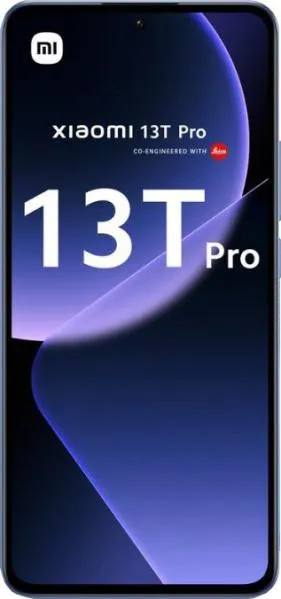
1. Specifications Comparison
| Feature | ZTE nubia Z50S Pro | Xiaomi 13T Pro | Practical Impact |
|---|---|---|---|
| Design | |||
| Dimensions | 163.9 x 76.3 x 8.3 mm | 162.2 x 75.7 x 8.5 mm | Xiaomi 13T Pro is slightly shorter, narrower, and thicker but lighter overall. ZTE might feel more substantial in hand. |
| Weight | 228g | 200g | Significant difference; Xiaomi will be noticeably lighter for extended use. |
| Display | |||
| Size | 6.8" | 6.67" | Negligible difference in screen real estate. |
| Type | AMOLED, 1B colors, 120Hz | AMOLED, 68B colors, 144Hz, Dolby Vision, HDR10+ | Xiaomi boasts a higher refresh rate (smoother animations) and wider color gamut with HDR support, leading to a more vibrant and responsive visual experience. |
| Peak Brightness | 1200 nits | 2600 nits | Xiaomi offers significantly higher peak brightness, crucial for outdoor visibility. |
| Resolution | 1260 x 2800 | 1220 x 2712 | ZTE has slightly higher resolution, resulting in marginally sharper text, but the difference is negligible at this size. |
| Performance | |||
| Chipset | Snapdragon 8+ Gen 2 | Dimensity 9200+ | Both are high-end chipsets offering top-tier performance. Benchmark comparisons would be needed to discern subtle real-world differences. |
| CPU | Octa-core (1x3.36 GHz Cortex-X3 & 2x2.8 GHz Cortex-A715 & 2x2.8 GHz Cortex-A710 & 3x2.0 GHz Cortex-A510) | Octa-core (1x3.35 GHz Cortex-X3 & 3x3.0 GHz Cortex-A715 & 4x2.0 GHz Cortex-A510) | Core configurations are very similar; performance differences will likely be minor in everyday tasks. |
| GPU | Adreno 740 | Immortalis-G715 MC11 | GPU performance differences require further benchmarking for a definitive comparison. |
| RAM | 12GB | 12GB/16GB | 16GB option on Xiaomi offers potential future-proofing for demanding multitasking. |
| Storage | 1000GB | 512GB/1000GB | Comparable storage options. |
| Camera | |||
| Video Capabilities | 8K@30fps, 4K up to 120fps | 8K@24fps, 4K up to 60fps, extensive slow-motion options | ZTE offers higher resolution 8K and higher frame rate 4K recording. Xiaomi provides more diverse slow-motion capabilities. Specific image quality comparisons are needed. |
| Battery | |||
| Capacity | 5100 mAh | 5000 mAh | Negligible difference in battery capacity. Real-world battery life depends on optimization and usage patterns. |
2. Key Differences Analysis
ZTE nubia Z50S Pro Advantages:
- Slightly sharper display
- Potentially higher sustained video recording capabilities (higher frame rates at 4K and 8K resolution).
- Slightly larger battery
Xiaomi 13T Pro Advantages:
- Significantly brighter display with wider color gamut and HDR support for superior visual experience.
- Higher refresh rate display for smoother animations.
- Lighter weight for more comfortable handling.
- More RAM in the 1TB configuration.
- More versatile slow-motion video recording.
3. User Profiles & Recommendations
ZTE nubia Z50S Pro: Users prioritizing slightly higher resolution and potentially longer video recording at high resolutions/frame rates.
Xiaomi 13T Pro: Users prioritizing a brighter, smoother, and more vibrant display, along with a lighter phone and potentially better gaming performance (pending benchmarks). The more versatile slow-motion video recording also benefits content creators.
4. Decision Framework
Key Questions for Buyers:
- Display Priority: How important is outdoor visibility and a super smooth, vibrant display?
- Video Recording Needs: Do you frequently record long videos at high resolution and frame rates, or do you need versatile slow-motion capabilities?
- Weight Sensitivity: How important is a lighter phone for comfortable one-handed use?
My Choice: Xiaomi 13T Pro
Reasoning: The Xiaomi 13T Pro's significantly brighter and smoother display with HDR support is a major deciding factor for me. The lighter weight enhances daily usability. While the ZTE offers slightly higher resolution video recording capabilities, the Xiaomi's versatility in slow-motion and the superior display experience outweigh that for my personal needs. The potential performance differences between the chipsets would need further investigation, but based on the available information, the Xiaomi offers a more compelling overall package.
