
1. Specifications Comparison
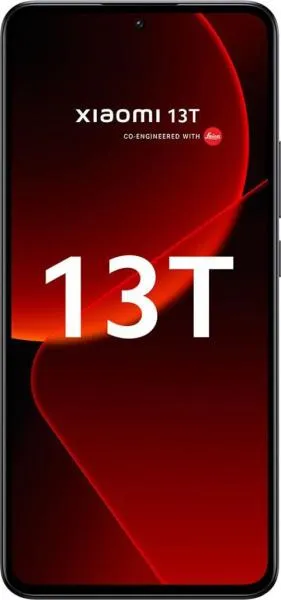
| Feature | ZTE nubia Z50S Pro | Xiaomi 13T | Practical Impact |
|---|---|---|---|
| Design | |||
| Dimensions | 163.9 x 76.3 x 8.3 mm | 162.2 x 75.7 x 8.5 mm | Xiaomi 13T is slightly shorter, narrower, and thicker. Negligible difference in hand feel. |
| Weight | 228g | 193g | Xiaomi 13T is significantly lighter, reducing hand fatigue during extended use. |
| Display | |||
| Size | 6.8" | 6.67" | ZTE has a slightly larger display, offering a marginally more immersive experience. |
| Type | AMOLED, 1B colors, 120Hz | AMOLED, 68B colors, 144Hz, Dolby Vision, HDR10+ | Xiaomi 13T boasts a higher refresh rate for smoother animations and scrolling, along with Dolby Vision and HDR10+ for superior dynamic range and color accuracy in supported content. |
| Resolution | 1260 x 2800 | 1220 x 2712 | Both offer sharp visuals; differences are negligible in everyday use. |
| Peak Brightness | 1200 nits | 2600 nits | Xiaomi 13T offers significantly higher peak brightness, ensuring excellent outdoor visibility. |
| Performance | |||
| Chipset | Snapdragon 8+ Gen 2 | Dimensity 8200 Ultra | Snapdragon 8+ Gen 2 generally offers better peak performance, particularly in demanding games. Dimensity 8200 Ultra is a powerful chip focusing on efficiency. |
| CPU | Octa-core (1x3.36 GHz Cortex-X3 & 2x2.8 GHz Cortex-A715 & 2x2.8 GHz Cortex-A710 & 3x2.0 GHz Cortex-A510) | Octa-core (1x3.1 GHz Cortex-A78 & 3x3.0 GHz Cortex-A78 & 4x2.0 GHz Cortex-A55) | Snapdragon 8+ Gen 2's newer architecture offers a performance advantage. |
| GPU | Adreno 740 | Mali-G610 MC6 | Adreno 740 generally delivers better gaming performance. |
| RAM | 12GB | 12GB | Both offer ample RAM for multitasking. |
| Storage | 1000GB | 256GB | ZTE offers significantly more storage. |
| Camera | |||
| Video Capabilities | 8K@30fps, 4K@120fps | 4K@30fps | ZTE offers higher resolution and frame rate video recording options. Missing details on specific camera sensor specifications limit in-depth analysis. |
| Battery | |||
| Capacity | 5100 mAh | 5000 mAh | Negligible difference in battery capacity. Real-world battery life depends on usage and optimization. |
2. Key Differences Analysis
ZTE nubia Z50S Pro Advantages:
- More Storage: Significantly larger storage capacity (1TB vs 256GB) for users with extensive media libraries.
- Higher Resolution Video Recording: Offers 8K and 4K@120fps recording for capturing high-quality video content.
- Slightly Larger Display: Provides a marginally more immersive viewing experience.
Xiaomi 13T Advantages:
- Brighter Display: Significantly brighter display with Dolby Vision and HDR10+ support for superior visual quality, especially outdoors.
- Higher Refresh Rate: Smoother scrolling and animations thanks to the 144Hz display.
- Lighter Weight: More comfortable for extended use.
- Potentially Lower Price: Given the storage difference, the Xiaomi 13T likely comes at a lower price point within the "medium price" range.
3. User Profiles & Recommendations
ZTE nubia Z50S Pro: Ideal for users who prioritize large storage capacity and high-resolution video recording. Power users and content creators will benefit from the 1TB storage.
Xiaomi 13T: Suitable for users who value a smooth and vibrant display, comfortable one-handed use, and potentially a lower price. Gamers and media consumers will appreciate the 144Hz display and HDR10+ support.
4. Decision Framework
Key Questions for Buyers:
- How important is storage capacity? If you need ample space for apps, photos, and videos, the ZTE's 1TB storage is a huge advantage.
- Do you prioritize display quality or video recording capabilities? The Xiaomi 13T offers a superior display experience, while the ZTE excels in video recording specs.
- What is your budget? While both are in the "medium price" range, the Xiaomi 13T with less storage likely offers better value for its price.
My Choice: Xiaomi 13T
While the ZTE nubia Z50S Pro offers a compelling 1TB storage option and high-resolution video recording, the Xiaomi 13T's superior display, lighter weight, and likely lower price make it a more appealing overall package for me. The 144Hz refresh rate and HDR10+ support significantly enhance the daily user experience. 256GB of storage is sufficient for my needs, and I prioritize display quality and comfortable handling over maximum storage and 8K video recording, which I rarely use. The brighter display is crucial for outdoor usage, a key consideration for me.
