1. Specifications Comparison
| Feature | ZTE nubia Z50S Pro | Samsung Galaxy Z Fold5 | Practical Impact |
|---|---|---|---|
| Design | |||
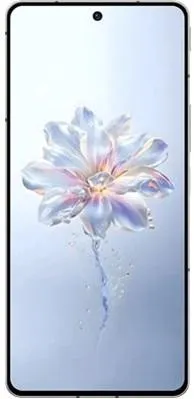
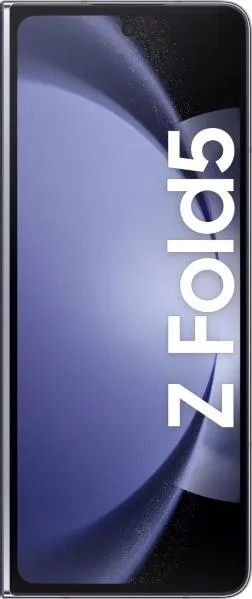
| Dimensions | 163.9 x 76.3 x 8.3 mm | 154.9 x 129.9 x 6.1 mm (folded) | Z Fold5 significantly smaller when folded, more pocketable; Z50S Pro thinner and lighter overall. |
| Weight | 228g | 253g | Noticeable difference in hand, Z50S Pro more comfortable for extended use. |
| Foldable | No | Yes | Fold5 offers larger screen real estate and unique form factor, Z50S Pro is a traditional slab phone. |
| Display | |||
| Size | 6.8" | 7.6" (main), 6.2" (cover) | Fold5's larger main display enhances multimedia and productivity, cover screen allows for one-handed use. |
| Type | AMOLED, 1B colors, 120Hz | Foldable Dynamic AMOLED 2X, 120Hz, HDR10+ | Both offer smooth scrolling; Fold5's HDR10+ potentially provides better dynamic range and color accuracy. |
| Resolution | 1260 x 2800 | 1812 x 2176 (main), 2316 x 904 (cover) | Fold5 main display sharper due to higher resolution, despite lower PPI, cover screen less sharp than Z50S Pro's display. |
| PPI | 452 | 373 (main), 402 (cover) | Z50S Pro's display sharper on paper, but real-world difference might be negligible. Fold5's crease may impact visual experience. |
| Peak Brightness | 1200 nits | Not specified | Z50S Pro offers superior outdoor visibility. Lack of data for Fold5 prevents direct comparison. |
| Performance | |||
| Chipset | Snapdragon 8+ Gen 2 | Snapdragon 8 Gen 2 | Z50S Pro likely to have a slight performance advantage due to the "+" variant of the chip, translating to potentially faster app loading and smoother gaming. |
| CPU | Octa-core (1x3.36 GHz Cortex-X3 & 2x2.8 GHz Cortex-A715 & 2x2.8 GHz Cortex-A710 & 3x2.0 GHz Cortex-A510) | Same as Z50S Pro | Performance differences will likely be minor in everyday tasks. |
| GPU | Adreno 740 (719 MHz) | Adreno 740 | Z50S Pro might offer slightly better graphics performance due to potentially higher clock speed. Practical differences may be minimal. |
| RAM | 12GB | 12GB | Both offer ample RAM for multitasking. |
| Battery | |||
| Capacity | 5100 mAh | 4400 mAh | Z50S Pro likely offers longer battery life. Fold5's larger display and folding mechanism could increase power consumption. |
2. Key Differences Analysis
ZTE nubia Z50S Pro Advantages:
- Longer Battery Life: Larger battery capacity suggests longer usage time.
- Brighter Display: Higher peak brightness ensures better visibility outdoors.
- Potentially Faster Performance: Snapdragon 8+ Gen 2 might offer a slight edge in speed and graphics.
- Lower Price: Typically priced lower than the Fold5. (Based on general market trends for foldable vs non-foldable)
Samsung Galaxy Z Fold5 Advantages:
- Foldable Design: Unique form factor offering larger screen real estate and multitasking capabilities.
- Larger Main Display: Provides immersive experience for multimedia consumption and productivity.
- Software Optimized for Folding Screen: Samsung's One UI offers features specifically tailored for foldable devices.
3. User Profiles & Recommendations
ZTE nubia Z50S Pro: Ideal for users seeking a powerful, traditional smartphone with long battery life and a bright display. Excellent for users prioritizing performance and value.
Samsung Galaxy Z Fold5: Best suited for users who value a large screen for multitasking, media consumption, and unique user experience. Ideal for early adopters and those willing to pay a premium for innovative technology.
4. Decision Framework
Key Questions for Buyers:
- Budget: Is a premium price for a foldable phone justifiable?
- Form Factor: Do you prioritize portability (Z50S Pro) or a larger screen and multitasking capabilities (Fold5)?
- Usage: Is your primary focus on media consumption, productivity, or general smartphone usage?
My Choice: ZTE nubia Z50S Pro
While the Galaxy Z Fold5 offers a compelling foldable experience, the ZTE nubia Z50S Pro better suits my needs. I prioritize battery life, performance, and value. The Z50S Pro's larger battery, potentially faster processor, brighter display, and lower price point make it a more practical choice for my daily usage. The slight performance gains of the 8+ Gen 2 chip, combined with the significantly larger battery, outweigh the novelty of a foldable screen for my personal use case. The Fold5's higher price tag doesn't justify the benefits for me, given my focus on core performance and practicality. I prefer a slimmer, lighter phone for everyday carry, and the Z50S Pro excels in this area.
