
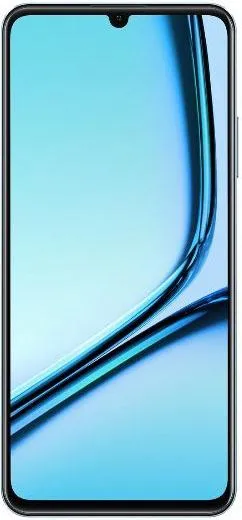
1. Specifications Comparison
| Feature | ZTE nubia Z50S Pro | Realme Note 50 | Practical Impact |
|---|---|---|---|
| Design | |||
| Dimensions (mm) | 163.9 x 76.3 x 8.3 | 167.2 x 76.7 x 8 | The Nubia is slightly smaller and thinner. |
| Weight (g) | 228 | 186 | The Realme is noticeably lighter, improving one-handed use. |
| Build Materials | Missing | Missing | Cannot compare build quality and feel. |
| Display | |||
| Display Type | AMOLED, 1B colors | IPS LCD | Nubia offers significantly better contrast, color accuracy, and viewing angles. |
| Size (inches) | 6.8 | 6.74 | Negligible size difference. |
| Resolution | 1260 x 2800 | 720 x 1600 | Nubia has a much sharper display, resulting in clearer text and images. |
| Refresh Rate (Hz) | 120 | 90 | Nubia provides smoother scrolling and animations. |
| Peak Brightness (nits) | 1200 | 560 | Nubia's display is much brighter, improving outdoor visibility. |
| Performance | |||
| Chipset | Snapdragon 8+ Gen 2 | Unisoc Tiger T612 | Nubia offers vastly superior processing power, enabling demanding tasks and gaming. |
| CPU | Octa-core (1x3.36 GHz Cortex-X3 & ...) | Octa-core (2x1.8 GHz Cortex-A75 & ...) | Nubia's CPU is significantly faster and more efficient. |
| GPU | Adreno 740 | Mali-G57 | Nubia's GPU provides a dramatically better gaming and graphics experience. |
| RAM | 12GB | 4GB | Nubia allows for much more efficient multitasking and app switching. |
| Storage | 1000GB | 128GB | Nubia offers significantly more storage for apps, media, and files. |
| Camera | |||
| Rear Camera | Missing specifics | Missing specifics | Cannot compare camera quality and features. Only video capabilities are provided. |
| Video Capabilities | 8K@30fps, 4K up to 120fps | 1080p@30fps | Nubia offers significantly higher resolution and frame rate video recording capabilities. |
| Battery | |||
| Capacity (mAh) | 5100 | 5000 | Similar battery capacities. Real-world battery life depends on optimization and usage. |
| Charging Speed | Missing | Missing | Cannot compare charging speeds. |
2. Key Differences Analysis
ZTE nubia Z50S Pro Advantages:
- Significantly more powerful: Superior chipset, CPU, and GPU translate to a much smoother and faster experience, especially for demanding tasks and gaming.
- Much better display: AMOLED with higher resolution, refresh rate, and brightness delivers superior visuals.
- Larger storage: 1000GB offers ample space for apps and files.
- Advanced video recording: Supports up to 8K resolution and high frame rates.
Realme Note 50 Advantages:
- Lighter weight: Noticeably lighter for improved one-handed usability.
- Lower price: Belongs to a lower price range, making it more budget-friendly.
Trade-offs:
- Performance vs. Price: The Nubia offers significantly better performance but comes at a higher price.
- Premium Features vs. Battery Life: While battery capacity is similar, the Nubia's more powerful components might consume more power, potentially impacting battery life. This is speculation without real-world testing data.
3. User Profiles & Recommendations
ZTE nubia Z50S Pro: Ideal for power users, gamers, and those who prioritize a premium display and performance. Excellent for demanding tasks, content creation, and high-quality video recording.
Realme Note 50: Suitable for budget-conscious users who prioritize basic functionality, lightweight design, and long battery life (potentially, but needs confirmation). Good for everyday tasks like browsing, social media, and communication.
4. Decision Framework
Key Questions for Buyers:
- What is your budget? The Nubia is a medium-priced phone, while the Realme is a budget option.
- What are your primary use cases? Gaming, demanding applications, and content creation benefit from the Nubia's power. Basic tasks can be handled by the Realme.
- Which features are most important to you? Prioritize display quality, performance, and storage with the Nubia, or lightweight design and affordability with the Realme.
My Choice: ZTE nubia Z50S Pro
While I lack specific camera details and real-world battery life comparisons, the ZTE nubia Z50S Pro is the clear winner for me. The significantly superior performance, vastly better display, and larger storage outweigh the Realme's advantages in weight and price. I prioritize a smooth and responsive user experience, high-quality visuals, and ample storage for my needs. The price difference is justifiable for the substantial upgrade in overall quality and capabilities. While the Realme might offer better battery life, this needs to be confirmed with testing, and even if it does, it's not enough to offset the Nubia's advantages in other crucial areas.
