
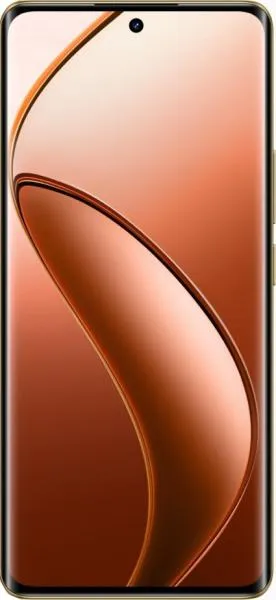
1. Specifications Comparison
| Feature | ZTE nubia Z50S Pro | Realme 12 Pro+ | Practical Impact |
|---|---|---|---|
| Design | |||
| Dimensions | 163.9 x 76.3 x 8.3 mm | 161.5 x 74 x 8.8 mm | Z50S Pro is slightly taller and wider, but thinner. Realme 12 Pro+ might feel slightly better in hand. |
| Weight | 228g | 196g | Realme 12 Pro+ is noticeably lighter, reducing hand fatigue during extended use. |
| Display | |||
| Size | 6.8" | 6.7" | Negligible difference in screen real estate. |
| Type | AMOLED, 1B colors, 120Hz | AMOLED, 1B colors, 120Hz | Both offer vibrant colors and smooth scrolling. |
| Resolution | 1260 x 2800 | 1080 x 2412 | Z50S Pro has a sharper display with significantly higher pixel density (452 vs 394 PPI). |
| Peak Brightness | 1200 nits | 950 nits | Z50S Pro offers better outdoor visibility. |
| Performance | |||
| Chipset | Snapdragon 8+ Gen 2 | Snapdragon 7s Gen 2 | Z50S Pro boasts significantly superior CPU and GPU performance, enabling smoother multitasking and gaming. |
| CPU | Octa-core (1x3.36 GHz Cortex-X3...) | Octa-core (4x2.40 GHz Cortex-A78...) | Z50S Pro's more powerful CPU architecture delivers faster processing speeds. |
| GPU | Adreno 740 | Adreno 710 | Z50S Pro's GPU provides a substantial advantage in graphics-intensive tasks. |
| RAM | 12GB | 8GB | Z50S Pro offers more RAM for smoother multitasking and app switching. |
| Storage | 1000GB | 256GB | Z50S Pro provides vastly more storage space. |
| Camera | We lack detailed camera sensor specifications to make a comprehensive comparison. | ||
| Video Capabilities | 8K@30fps, 4K@120fps | 4K@30fps, 1080p@120fps | Z50S Pro supports higher resolution video recording. |
| Battery | |||
| Capacity | 5100 mAh | 5000 mAh | Negligible difference in battery capacity. Real-world battery life depends on optimization. |
2. Key Differences Analysis
ZTE nubia Z50S Pro Advantages:
- Significantly more powerful: The Snapdragon 8+ Gen 2 provides a major performance advantage for demanding tasks and gaming.
- Sharper display: Higher resolution and PPI result in a crisper, more detailed viewing experience.
- Brighter display: Enhanced outdoor visibility.
- More RAM and Storage: Smoother multitasking and ample space for apps and files.
- Higher resolution video recording: Capture more detailed videos.
Realme 12 Pro+ Advantages:
- Lighter and potentially more comfortable to hold.
- More recent Android version (potentially faster updates depending on manufacturer).
Trade-offs:
- Realme 12 Pro+ sacrifices performance for a lighter weight and potentially lower price.
- ZTE nubia Z50S Pro is heavier but offers a substantial performance upgrade and a superior display.
3. User Profiles & Recommendations
ZTE nubia Z50S Pro: Ideal for power users, gamers, and those who prioritize performance, a sharp display, and ample storage. Excellent for demanding applications, multitasking, and media consumption.
Realme 12 Pro+: Suitable for users who prioritize a lightweight phone, casual usage, and value battery life over peak performance. Good for everyday tasks, social media, and web browsing.
4. Decision Framework
Key Questions:
- What is your budget and how important is performance?
- What type of user are you (power user, casual user)?
- Which features matter most (display quality, battery life, performance, weight)?
Scenario-Based Recommendations:
- Gamer: ZTE nubia Z50S Pro for its superior performance.
- Photographer/Videographer: While we lack detailed camera specs, the Z50S Pro's 8K recording capability suggests a potential advantage. More information is needed.
- Everyday User: Realme 12 Pro+ if weight and battery life are paramount; Z50S Pro if a smoother, faster experience is desired even with added weight.
My Choice: ZTE nubia Z50S Pro
While the Realme 12 Pro+ offers a lighter design, the ZTE nubia Z50S Pro's significant performance advantage, sharper and brighter display, and vastly larger storage make it the clear winner for me. I prioritize a smooth and responsive user experience, and the Snapdragon 8+ Gen 2 ensures that. The extra RAM and storage are also crucial for my workflow. The slightly heavier weight is a trade-off I'm willing to make for the significant performance gains. I am also willing to accept a slightly older Android version out of the box for significantly better performance and features.
