1. Specifications Comparison
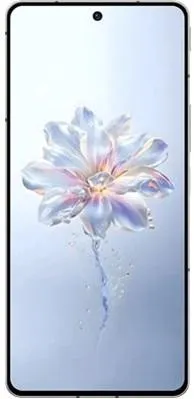
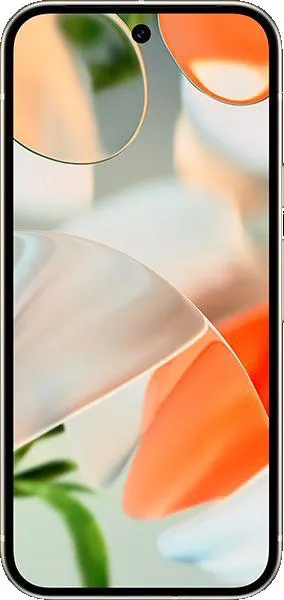
| Feature | ZTE nubia Z50S Pro | Google Pixel 9 | Practical Impact |
|---|---|---|---|
| Design | |||
| Dimensions | 163.9 x 76.3 x 8.3 mm | 152.8 x 72 x 8.5 mm | Pixel 9 is noticeably smaller and potentially easier to handle one-handed. |
| Weight | 228g | 198g | Pixel 9 is significantly lighter, reducing hand fatigue during extended use. |
| Display | |||
| Size | 6.8" | 6.3" | Z50S Pro offers a larger screen for more immersive content consumption. |
| Type | AMOLED, 1B colors, 120Hz | OLED, 120Hz, HDR10+ | Both offer smooth scrolling and vibrant colors. Z50S Pro boasts a higher color depth, though the discernible difference might be minimal in real-world usage. Pixel 9 supports HDR10+ for enhanced video dynamic range. |
| Resolution | 1260 x 2800 | 1080 x 2424 | Z50S Pro has a sharper display (452 ppi vs 422 ppi). |
| Peak Brightness | 1200 nits | 2700 nits | Pixel 9 offers significantly higher peak brightness, ensuring excellent outdoor visibility. |
| Performance | |||
| Chipset | Snapdragon 8+ Gen 2 | Google Tensor G4 | Snapdragon 8+ Gen 2 generally benchmarks higher in raw performance. Tensor G4 prioritizes AI and machine learning tasks, potentially offering a smoother, more personalized experience. |
| CPU | Octa-core (1x3.36 GHz Cortex-X3 & ...) | Octa-core (1x3.1 GHz Cortex-X4 & ...) | While both are powerful, architectural differences might favor specific workloads. Real-world performance will depend on optimization. |
| GPU | Adreno 740 | Mali-G715 MC7 | Adreno 740 generally performs better in graphically demanding tasks like gaming. |
| RAM | 12GB | 12GB | Both phones offer ample RAM for multitasking. |
| Storage | 1000GB | 256GB | Z50S Pro offers significantly more storage. |
| Camera | |||
| Video Capabilities | 8K@30fps, 4K@120fps | Up to 4K@60fps, 1080p@240fps | Z50S Pro can record higher resolution video. Pixel 9 offers more frame rate options, including slow-motion at 1080p@240fps. Pixel emphasizes computational photography and likely superior image/video processing. |
| Battery | |||
| Capacity | 5100 mAh | 4700 mAh | Z50S Pro has a larger battery, likely translating to longer battery life. |
2. Key Differences Analysis
ZTE nubia Z50S Pro Advantages:
- Larger Display and Sharper Resolution: More immersive media consumption.
- Larger Battery: Potentially longer battery life.
- More Storage: Accommodates more apps, photos, and videos.
- Higher Resolution Video Recording: Captures more detail in videos.
- Generally Higher Benchmark Performance: Likely faster in demanding tasks and gaming.
Google Pixel 9 Advantages:
- Smaller and Lighter: More comfortable for one-handed use and extended holding.
- Brighter Display: Superior outdoor visibility.
- More Advanced Software Features (expected): Pixel phones typically excel in AI-powered features, camera processing, and timely software updates.
- Wider Range of Video Recording Options: More flexibility for slow-motion and different frame rates.
3. User Profiles & Recommendations
ZTE nubia Z50S Pro: Users who prioritize large screen size, long battery life, ample storage, high-resolution video recording, and raw performance. Ideal for media consumption, gaming, and power users.
Google Pixel 9: Users who value a compact and lightweight phone with a bright display, excellent camera capabilities (expected based on Pixel history), and the latest Android features and updates. Suitable for users who prioritize software experience, portability, and photography.
4. Decision Framework
Key Questions:
- What screen size and form factor do you prefer? Larger and more immersive vs. smaller and more pocketable.
- Which aspects of performance matter most? Raw processing power and gaming vs. AI capabilities, smooth user experience, and camera performance.
- How important are software updates and features? Latest Android versions and AI-driven enhancements vs. potentially longer support cycles from other manufacturers.
My Choice: Google Pixel 9
While the ZTE nubia Z50S Pro offers impressive hardware, I would choose the Google Pixel 9. My priorities are a smooth and responsive software experience, excellent camera quality, a bright display for outdoor use, and a comfortable form factor. Historically, Pixel phones have excelled in these areas. While the Z50S Pro boasts superior specs in some areas, the Pixel's likely advantage in computational photography, consistent software updates, and lighter weight are more appealing to me. The smaller storage on the Pixel is a trade-off I'm willing to make for the overall package. The significantly brighter display of the Pixel 9 is also crucial for outdoor usage. Ultimately, my decision prioritizes user experience and long-term software support over raw specifications.
