1. Specifications Comparison
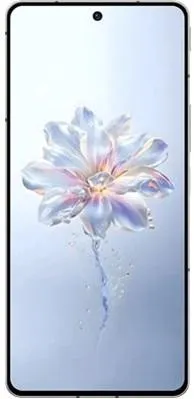
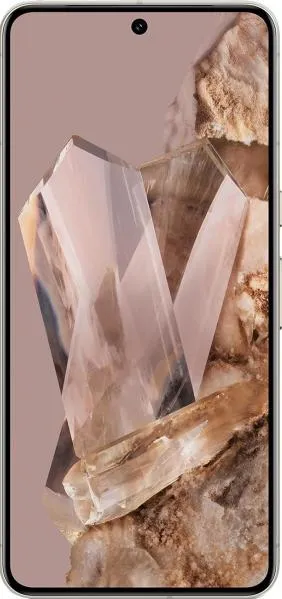
| Feature | ZTE nubia Z50S Pro | Google Pixel 8 Pro | Practical Impact |
|---|---|---|---|
| Design | |||
| Dimensions | 163.9 x 76.3 x 8.3 mm | 162.6 x 76.5 x 8.8 mm | Nearly identical in hand feel, though the Pixel is slightly thicker. |
| Weight | 228g | 213g | Noticeable difference; Pixel 8 Pro will feel lighter and more comfortable for extended use. |
| Build | Not specified | Not specified | Build quality impact on durability and premium feel cannot be assessed. |
| Display | |||
| Size | 6.8" | 6.7" | Negligible size difference in real-world usage. |
| Type | AMOLED, 1B colors, 120Hz | LTPO OLED, 120Hz, HDR10+ | Both offer smooth scrolling and vibrant colors. LTPO on Pixel allows for more granular refresh rate control, potentially saving battery. |
| Resolution | 1260 x 2800 | 1344 x 2992 | Pixel has a slightly sharper display due to higher pixel density (489 vs 452 ppi). |
| Peak Brightness | 1200 nits | 2400 nits | Pixel 8 Pro will be significantly more visible in direct sunlight. |
| Performance | |||
| Chipset | Snapdragon 8+ Gen 2 | Google Tensor G3 | Snapdragon generally known for higher benchmark performance, but Tensor excels in AI and machine learning tasks. |
| CPU | Octa-core (1x3.36 GHz Cortex-X3 & ...) | Nona-core (1x3.0 GHz Cortex-X3 & ...) | Both are high-performance CPUs; real-world difference likely minimal for average users, but Snapdragon may have an edge in demanding tasks. |
| GPU | Adreno 740 | Immortalis-G715s MC10 | Adreno 740 generally considered more powerful for gaming. Immortalis-G715s performance is less established for gaming. |
| RAM | 12GB | 12GB | Ample RAM for multitasking on both devices. |
| Storage | 1000GB/12GB | 256GB/12GB, 512GB/12GB, 1000GB/12GB | Pixel offers more storage configuration options. |
| Camera | |||
| Video Capabilities | 8K@30fps, 4K@up to 120fps | Up to 4K@60fps, 1080p@240fps | Nubia offers higher resolution video recording (8K), while Pixel focuses on frame rate and features like HDR, OIS, and EIS at lower resolutions. Practical difference depends on user's video recording needs. |
| Specific Sensor Details | Not specified for either phone. | Not specified for either phone. | Image quality comparison impossible without sensor specifics (size, aperture). |
| Battery | |||
| Capacity | 5100 mAh | 5050 mAh | Negligible difference in battery capacity. Real-world battery life will depend more on software optimization and usage patterns. |
| Software | |||
| OS | Android 13 | Android 14 | Pixel launches with the latest Android version and guaranteed longer updates. |
2. Key Differences Analysis
ZTE nubia Z50S Pro Advantages:
- Potentially higher performance in demanding tasks and gaming: Due to the Snapdragon 8+ Gen 2.
- 8K video recording: Offers higher resolution video recording for users who need it.
Google Pixel 8 Pro Advantages:
- Brighter Display: Significantly brighter display for better outdoor visibility.
- Latest Android version and longer software support: Ensures access to new features and security updates for a longer period.
- More storage options: Caters to different user needs and budgets.
- Lighter weight: More comfortable for extended use.
- Superior AI capabilities: Thanks to the Tensor G3 chip, likely resulting in better performance in tasks like voice recognition, translation, and photography features powered by AI.
3. User Profiles & Recommendations
ZTE nubia Z50S Pro: Users seeking potentially higher performance for demanding games and those who prioritize 8K video recording.
Google Pixel 8 Pro: Users who value software updates, a bright display for outdoor use, AI-powered features, and a lighter, more comfortable phone.
4. Decision Framework
Key Questions for Buyers:
- What is your budget and desired storage capacity? The Pixel 8 Pro offers greater flexibility in storage options.
- Is having the latest Android version and longer software updates a priority? Pixel offers a significant advantage in this area.
- What are your primary use cases? (Gaming, photography, general use, etc.)
Scenario-Based Recommendations:
- Gamer: The ZTE nubia Z50S Pro might be a better choice due to the generally more powerful GPU.
- Photographer/Videographer: It depends. If 8K video is essential, the Nubia is the only option. However, if image quality and AI-powered camera features are more important, the Pixel 8 Pro might be superior (pending further camera details).
- Average User: The Pixel 8 Pro offers a more well-rounded package for everyday use, with longer software support and a brighter display.
My Choice: Google Pixel 8 Pro
While the ZTE nubia Z50S Pro boasts potentially higher processing power and 8K video recording, the Pixel 8 Pro's overall package is more appealing to me. The significantly brighter display, guaranteed longer software updates, lighter weight, and the potential advantages of the Tensor G3 in AI and photography (pending full camera reviews) outweigh the Nubia's advantages for my personal needs. The wider range of storage options also provides more flexibility. I prioritize a smooth, long-term user experience with regular updates and a vibrant display, making the Pixel 8 Pro the better choice for me. The weight difference is also a significant factor for comfort during extended use.
