1. Specifications Comparison
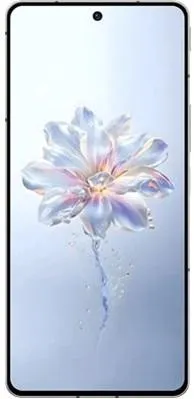
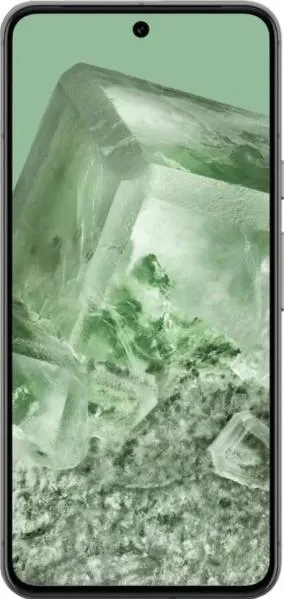
| Feature | ZTE nubia Z50S Pro | Google Pixel 8 | Practical Impact |
|---|---|---|---|
| Design | |||
| Dimensions | 163.9 x 76.3 x 8.3 mm | 150.5 x 70.8 x 8.9 mm | Pixel 8 is noticeably smaller and potentially easier to handle one-handed. Z50S Pro is taller and slightly thinner. |
| Weight | 228g | 187g | Pixel 8 is significantly lighter, reducing hand fatigue during extended use. |
| Build | (Missing) | (Missing) | Material differences can impact durability and premium feel. Lack of information limits comparison. |
| Display | |||
| Size | 6.8" | 6.2" | Z50S Pro offers a larger screen for more immersive media consumption, while Pixel 8 provides better one-handed usability. |
| Type | AMOLED, 1B colors, 120Hz | OLED, 120Hz, HDR10+ | Both offer smooth scrolling and vibrant colors. The 1B colors on the Z50S Pro might offer slightly smoother color gradients, but it would be hard to notice in everyday use. Pixel 8's HDR10+ support enhances contrast and dynamic range in compatible content. |
| Resolution | 1260 x 2800 | 1080 x 2400 | Z50S Pro boasts a sharper display (452 ppi vs 428 ppi), resulting in crisper text and images. However, the difference might not be discernible to the average user. |
| Peak Brightness | 1200 nits | 2000 nits | Pixel 8's significantly higher peak brightness ensures better visibility in direct sunlight. |
| Performance | |||
| Chipset | Snapdragon 8+ Gen 2 | Google Tensor G3 | Both are powerful chipsets, but Snapdragon 8+ Gen 2 generally benchmarks higher in raw performance. Tensor G3 excels in AI-powered tasks and computational photography. |
| CPU | Octa-core (1x3.36 GHz Cortex-X3 & ...) | Nona-core (1x3.0 GHz Cortex-X3 & ...) | Both CPUs are high-performance, but architectural differences and clock speeds suggest the Snapdragon 8+ Gen 2 might offer a slight edge in demanding tasks. |
| GPU | Adreno 740 | Immortalis-G715s MC10 | Adreno 740 generally provides stronger gaming performance. Immortalis-G715s MC10 may offer specific advantages in AI and machine learning tasks. |
| RAM | 12GB | 8GB | Z50S Pro's larger RAM allows for more apps to run in the background without reloading, improving multitasking. |
| Storage | 1000GB | 256GB | Z50S Pro offers significantly more storage. |
| Battery | |||
| Capacity | 5100 mAh | 4575 mAh | Z50S Pro has a larger battery, potentially leading to longer battery life. Real-world usage varies greatly depending on usage patterns. |
| Camera | |||
| Video Capabilities | 8K@30fps, 4K@up to 120fps | Up to 4K@60fps, 1080p@240fps | Z50S Pro offers higher resolution video recording (8K). Pixel 8 excels in slow-motion video capture (1080p@240fps) and potentially offers better video stabilization and processing due to Google's computational photography expertise. Information regarding OIS/EIS on the Z50S Pro for various resolutions is incomplete. |
| Detailed Specs | (Missing detailed camera specs for both) | (Missing detailed camera specs for both) | Insufficient information to compare camera quality, features, and performance comprehensively. |
2. Key Differences Analysis
ZTE nubia Z50S Pro Advantages:
- Larger Display & Sharper Resolution: More immersive media experience.
- More Powerful CPU & GPU (Based on Benchmarks): Potentially better for demanding games and applications.
- Larger RAM and Storage: Superior multitasking and ample space for files.
- Larger Battery: Potentially longer battery life.
- Higher Resolution Video Recording: Captures more detail in videos.
Google Pixel 8 Advantages:
- Smaller and Lighter: More comfortable for one-handed use and extended holding.
- Brighter Display: Excellent outdoor visibility.
- Superior Software and AI Processing: Expected better image processing, voice assistant, and overall user experience due to Google's software expertise.
- More Comprehensive Slow-motion Video: Captures smoother slow-motion footage.
3. User Profiles & Recommendations
ZTE nubia Z50S Pro: Ideal for power users, gamers, and those who prioritize a large display, ample storage, and potentially longer battery life.
Google Pixel 8: Suitable for users who value a compact and lightweight phone with a great camera, excellent software experience, and bright display.
4. Decision Framework
Key Questions for Buyers:
- What screen size and form factor do you prefer? Larger for media consumption or smaller for one-handed use?
- Which is more important: raw performance or AI-powered features and software experience?
- What is your budget and storage requirement?
My Choice: Google Pixel 8
While the ZTE nubia Z50S Pro boasts impressive specifications on paper, especially in terms of raw performance and battery size, I would choose the Google Pixel 8.
My reasoning:
- Superior Software Experience: I prioritize a smooth, well-integrated software experience with timely updates, which Google excels at. Pixel phones typically receive faster and more consistent software updates compared to other Android manufacturers.
- Compact Form Factor: I prefer a smaller, lighter phone for comfortable everyday use.
- Camera Performance (Expected): Although detailed camera specifications are missing, Google's track record in computational photography leads me to believe the Pixel 8 will deliver excellent image quality.
- Brighter Display: The significantly brighter display is crucial for outdoor visibility.
While the Z50S Pro's larger display and battery are tempting, the Pixel 8's overall package, particularly its software, size, and expected camera performance, better aligns with my personal preferences and priorities. The significant difference in storage is not a major concern for me personally.
