1. Specifications Comparison
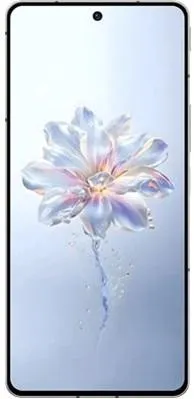
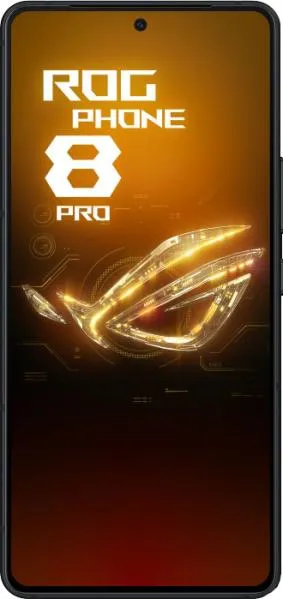
| Feature | ZTE nubia Z50S Pro | Asus ROG Phone 8 Pro | Practical Impact |
|---|---|---|---|
| Design | |||
| Dimensions | 163.9 x 76.3 x 8.3 mm | 163.8 x 76.8 x 8.9 mm | Virtually identical in hand feel, ROG Phone slightly thicker. |
| Weight | 228g | 225g | Negligible weight difference. |
| Display | |||
| Size | 6.8" | 6.78" | Negligible size difference. |
| Type | AMOLED, 1B colors, 120Hz | LTPO AMOLED, 1B colors, 165Hz | ROG Phone's LTPO panel allows for variable refresh rate, saving battery. Its higher refresh rate provides smoother animations and scrolling. |
| Resolution | 1260 x 2800 | 1080 x 2400 | ZTE has a sharper display (452 ppi vs 388 ppi), noticeable in text and fine details. ROG Phone prioritizes smoothness over sharpness. |
| Peak Brightness | 1200 nits | 2500 nits | ROG Phone significantly brighter outdoors. |
| Performance | |||
| Chipset | Snapdragon 8+ Gen 2 | Snapdragon 8 Gen 3 | ROG Phone has a newer, more powerful processor resulting in faster performance, better efficiency, and improved graphics. |
| CPU | Octa-core (1x3.36 GHz Cortex-X3 & ...) | Octa-core (1x3.3 GHz Cortex-X4 & ...) | ROG Phone utilizes the newer Cortex-X4 architecture, providing a performance boost. |
| GPU | Adreno 740 (719 MHz) | Adreno 750 | ROG Phone has a more powerful GPU, leading to better gaming and graphics performance. |
| RAM | 12GB | 24GB | ROG Phone has significantly more RAM enabling superior multitasking and demanding application usage. Less likely to experience slowdowns with many apps open. |
| Storage | 1000GB | 1000GB | Identical storage capacity. |
| Battery | |||
| Capacity | 5100 mAh | 5500 mAh | Larger battery in the ROG Phone should result in longer battery life. |
| Camera | |||
| Video Capabilities | 8K@30fps, 4K@120fps... | 8K@24fps, 4K@60fps, up to 720p@480fps | While both offer 8K recording, ROG Phone offers more frame rate options, including super slow-motion at 480fps, making it more versatile for video recording. No detailed camera specs prevent thorough analysis. |
| Other | |||
| OS | Android 13 | Android 14 | ROG Phone ships with a newer Android version, offering potential feature and security advantages. It also has a longer confirmed update path. |
| USB | USB Type-C 3.1 | USB Type-C (side & bottom), DisplayPort 1.4, OTG | ROG Phone offers more versatile connectivity options, especially useful for power users and gamers (e.g., connecting to external displays). |
2. Key Differences Analysis
ZTE nubia Z50S Pro Advantages:
- Sharper Display: Higher pixel density provides crisper visuals.
Asus ROG Phone 8 Pro Advantages:
- More Powerful Performance: Newer chipset, CPU, and GPU translate to smoother gaming, faster multitasking, and improved overall responsiveness.
- Smoother Display: Higher refresh rate and LTPO technology provide a more fluid user experience.
- Brighter Display: Significantly brighter for better outdoor visibility.
- Larger Battery: Potentially longer battery life.
- More RAM: Enables smoother multitasking and handling of demanding applications.
- More Versatile Connectivity: Additional USB-C port and DisplayPort support cater to power users.
- Newer OS with Longer Support: Advantages in features, security, and longevity.
- More Versatile Video Recording: More frame rate options including higher slow-motion capabilities.
Trade-offs:
- ROG Phone: Lower resolution display prioritizes smoothness over sharpness. Larger battery and more powerful components likely contribute to a slightly thicker and heavier design, though practically negligible.
3. User Profiles & Recommendations
ZTE nubia Z50S Pro: Users prioritizing a sharp display and who are not heavy gamers or power users. Suitable for everyday tasks, media consumption, and casual gaming.
Asus ROG Phone 8 Pro: Gamers, power users, and those who value top-tier performance, a smooth and bright display, and extensive connectivity options. Ideal for demanding tasks, multitasking, media creation, and extended gaming sessions.
4. Decision Framework
Key Questions:
- What is your primary use case? (Gaming, productivity, media consumption)
- What is your budget? (Consider the price difference between the two phones.)
- How important is display sharpness versus smoothness and brightness?
Scenario-Based Recommendations:
- Heavy Gamer: ROG Phone 8 Pro
- Power User: ROG Phone 8 Pro
- Everyday User/Casual Gamer on a Budget: ZTE nubia Z50S Pro
- User Prioritizing Display Sharpness: ZTE nubia Z50S Pro
My Choice: Asus ROG Phone 8 Pro
While the ZTE offers a sharper display, the ROG Phone 8 Pro provides a significantly more compelling overall package. The newer and more powerful Snapdragon 8 Gen 3, coupled with the Adreno 750 GPU and a whopping 24GB of RAM, ensures a future-proof device capable of handling any demanding task. The higher refresh rate and LTPO display technology, though at a lower resolution, will deliver a smoother and more responsive user experience in real-world usage. The brighter display, larger battery, more versatile connectivity, newer OS with longer update support, and superior slow-motion video capabilities further solidify its advantage. While I appreciate a sharp display, the performance and feature advantages of the ROG Phone 8 Pro outweigh the resolution difference for me. I prioritize long-term performance and a smooth user experience over marginal gains in pixel density.
