1. Specifications Comparison
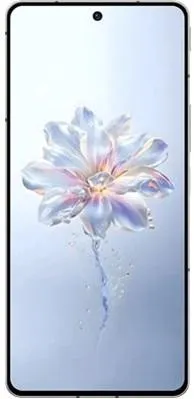
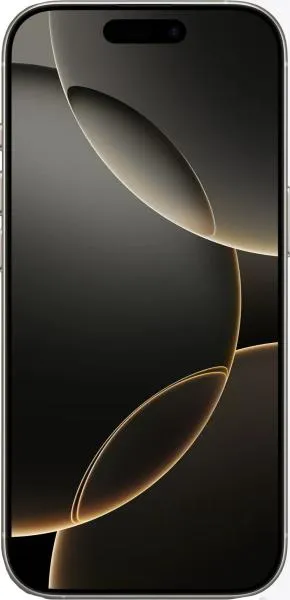
| Feature | ZTE nubia Z50S Pro | Apple iPhone 16 Pro | Practical Impact |
|---|---|---|---|
| Design | |||
| Dimensions | 163.9 x 76.3 x 8.3 mm | 149.6 x 71.5 x 8.3 mm | iPhone 16 Pro is significantly smaller and potentially easier to handle one-handed. |
| Weight | 228g | 199g | iPhone 16 Pro is noticeably lighter, reducing hand fatigue during extended use. |
| Build Materials | Not specified | Titanium | iPhone's titanium frame offers superior durability and scratch resistance. Lack of information on the Z50S Pro's build prevents a complete comparison. |
| Display | |||
| Size | 6.8" | 6.3" | Z50S Pro offers a larger display for more immersive media consumption; iPhone 16 Pro prioritizes one-handed usability. |
| Type | AMOLED, 1B colors, 120Hz | LTPO Super Retina XDR OLED, 120Hz | Both offer smooth scrolling and animations thanks to 120Hz. iPhone's LTPO allows for variable refresh rate, potentially saving battery. "Super Retina XDR" suggests superior color accuracy and contrast on the iPhone. |
| Resolution | 1260 x 2800 | 1206 x 2622 | Similar pixel density (around 450-460 ppi) results in sharp visuals on both. Z50S Pro's slightly higher resolution might provide marginally more detail. |
| Peak Brightness | 1200 nits | 2000 nits (HBM) | iPhone 16 Pro's significantly higher peak brightness ensures better visibility in direct sunlight. |
| Performance | |||
| Chipset | Snapdragon 8+ Gen 2 (4nm) | Apple A18 Pro (3nm) | Both are top-tier chipsets, promising excellent performance. A18 Pro, being a newer generation on a smaller process node, likely offers performance and efficiency advantages. Real-world differences need benchmarking. |
| CPU | Octa-core (1x3.36 GHz Cortex-X3 & ...) | Hexa-core (2x4.05 GHz + 4x2.42 GHz) | Raw clock speed comparisons are misleading. Both CPUs will deliver flagship-level performance. Apple's architecture and tight hardware-software integration often lead to superior efficiency. |
| GPU | Adreno 740 (719 MHz) | Apple GPU (6-core graphics) | Apple's custom GPUs are known for their strong performance in games and graphics-intensive tasks. Real-world gaming performance comparisons are needed. |
| RAM | 12GB | 8GB | While the Z50S Pro has more RAM, iOS's memory management is highly optimized. 12GB RAM on Android might provide better multitasking in the long run. |
| Battery | |||
| Capacity | 5100 mAh | 3582 mAh | Z50S Pro has a significantly larger battery capacity, potentially translating to longer battery life. iPhone's efficient chip and software might offset this difference. Real-world battery tests are necessary. |
| Camera | |||
| Video Capabilities | 8K@30fps, 4K up to 120fps | Up to 4K@120fps, 1080p@240fps | Both offer extensive video recording capabilities. iPhone supports higher frame rates at 1080p for slow-motion video. Detailed camera sensor specs are needed for a thorough comparison. |
| Other | |||
| Price Range | Medium | High | ZTE offers a potentially much better price-to-performance ratio. |
| OS | Android 13 | iOS 18 | OS preference is subjective. Android offers greater customization, while iOS is known for its simplicity and security. |
2. Key Differences Analysis
ZTE nubia Z50S Pro Advantages:
- Larger display for immersive content
- Significantly larger battery capacity, potentially longer battery life
- More RAM
- Lower price point
Apple iPhone 16 Pro Advantages:
- Smaller, lighter, and potentially more durable build (Titanium)
- Brighter display for better outdoor visibility
- Likely more powerful and efficient processor (A18 Pro)
- More mature software ecosystem with tight hardware-software integration
- Higher frame rate slow-motion video recording
3. User Profiles & Recommendations
ZTE nubia Z50S Pro: Users seeking a large-screen multimedia experience, long battery life, and strong performance at a more affordable price. Ideal for heavy media consumers, gamers on a budget, and power users who value customization.
Apple iPhone 16 Pro: Users prioritizing a premium, compact device with top-tier performance, a bright display, and a refined user experience. Ideal for users entrenched in the Apple ecosystem, those seeking a powerful and pocketable device, and those willing to pay a premium for a polished experience.
4. Decision Framework
- What is your budget? The iPhone 16 Pro commands a significantly higher price.
- What screen size do you prefer? Large screen (ZTE) vs. one-handed usability (iPhone).
- Which operating system do you prefer? Android (ZTE) vs. iOS (iPhone).
My Choice: Apple iPhone 16 Pro
While the ZTE nubia Z50S Pro offers compelling value with its larger battery and lower price, the iPhone 16 Pro's overall package is more appealing to me. The smaller, lighter form factor with a more durable build, brighter display, expected performance advantages of the A18 Pro chip, and the polished iOS ecosystem are decisive factors. I prioritize a premium, reliable, and efficient device that fits comfortably in my pocket, and I am willing to pay the premium for it. The iPhone's likely superior camera performance (though needing more detailed specs to confirm), longer software support, and consistent performance over time also heavily influence my decision. While battery life is a concern, I am willing to bet on Apple's efficiency optimizations to deliver acceptable all-day usage.
